

Dialogue as Mission: Paths and Horizons of Muslim-Christian Dialogue in the Time of Pope Francis
Abstract
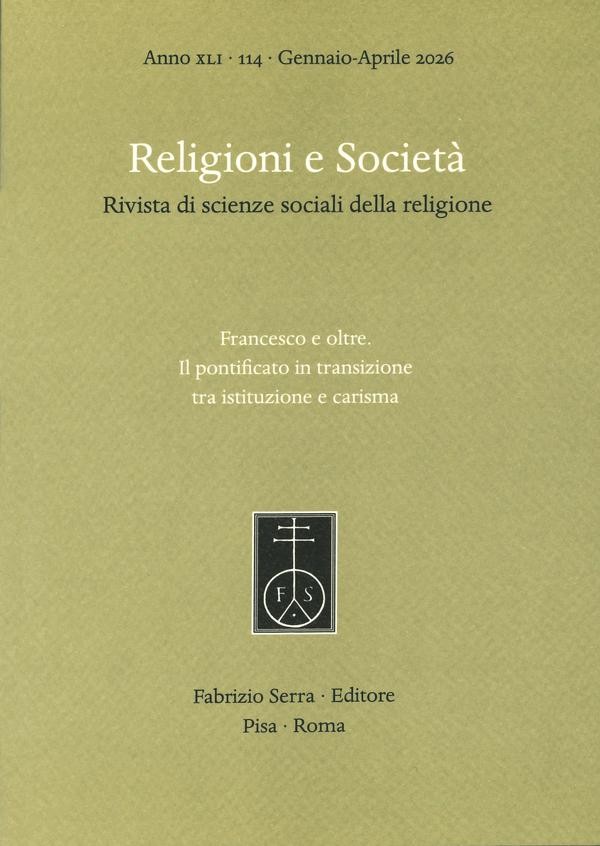
Published in Italian under the title Il dialogo come missione: percorsi e orizzonti del dialogo islamo-cristiano al tempo di Papa Francesco in issue 114 (January-April 2026) of the journal Religioni e società (Fabrizio Serra), devoted to the legacy of Pope Francis, this article by Claudio Monge, a Dominican, director of the Dominican Study Institute in Istanbul (DoSt-I) and lecturer at the Theological Faculty of Emilia-Romagna (Bologna), examines how Muslim-Christian dialogue took shape under this pontificate.
Although he came from a continent where the Muslim presence remains marginal, the first Latin American pope made the encounter with Muslims one of the defining themes of his pontificate. For him, relations with the Muslim world were not a secondary diplomatic matter but a constitutive dimension of the Church’s mission in a globalised world. In continuity with the conciliar declaration Nostra Aetate, yet with a new emphasis, Francis grounded dialogue not in geopolitical strategy but in an evangelical vision of human fraternity. Against a backdrop of jihadist terrorism, identity-driven anxieties in Europe and the political exploitation of religion, he rejected both the logic of a clash of civilisations and that of a merely formal dialogue.
For Francis, the author recalls, dialogue does not mean renouncing one’s own identity, but recognising in the other an interlocutor endowed with dignity and spirituality. The article examines his statements on religious freedom, which he presented in Rabat in 2019 as the foundation of citizenship rather than a privilege granted to tolerated minorities, as well as his denunciation of Islamophobia. It reads the Document on Human Fraternity signed in Abu Dhabi (2019), his meetings with Muslim leaders and his journeys to Muslim-majority countries, from Jordan (2014) to Indonesia (2024), as a theological reinterpretation of fraternity, rights and citizenship, rooted in divine mercy.
Finally, the author turns to the apostolic exhortation Evangelii Gaudium (2013), in which the recognition that Muslims worship with Christians the one and merciful God (no. 252) becomes the basis of a relationship, and to the “ecumenism of blood” and the beatification of the martyrs of Algeria (Oran, 2018). He sees in all this a way of building peace through genuine encounter, mutual respect and the recognition of religious diversity as willed by God.
The article is available for purchase from the publisher (DOI 10.19272/202631301006); the abstract, in English, and the first page are freely available on the Fabrizio Serra website.
Résumé
Paru en italien sous le titre « Il dialogo come missione: percorsi e orizzonti del dialogo islamo-cristiano al tempo di Papa Francesco » dans le numéro 114 (janvier-avril 2026) de la revue Religioni e società (Fabrizio Serra), consacré à l’héritage du pape François, cet article de Claudio Monge, dominicain, directeur du Centre d’études dominicain d’Istanbul (DoSt-İ) et enseignant à la Faculté de théologie d’Émilie-Romagne (Bologne), retrace les parcours et les horizons du dialogue islamo-chrétien sous ce pontificat.
Venu d’un continent où la présence musulmane reste marginale, le premier pape latino-américain a pourtant fait de la rencontre avec les musulmans l’un des axes forts de son pontificat. Les relations avec le monde musulman n’y sont pas un chapitre diplomatique accessoire, mais une dimension constitutive de la mission de l’Église dans un monde globalisé. Prolongeant la déclaration conciliaire Nostra Aetate, mais avec un accent nouveau, François fonde le dialogue non sur une stratégie géopolitique, mais sur une vision évangélique de la fraternité humaine. Dans un contexte marqué par le terrorisme djihadiste, les peurs identitaires en Europe et l’instrumentalisation politique des religions, il refuse aussi bien la logique du choc des civilisations que celle d’un dialogue purement formel.
Pour François, rappelle l’auteur, le dialogue n’implique pas de renoncer à sa propre identité : il consiste à reconnaître en l’autre un interlocuteur porteur de dignité et de spiritualité. L’article s’arrête sur ses prises de parole en faveur de la liberté religieuse, qu’il présente à Rabat, en 2019, comme le fondement de la citoyenneté et non comme un privilège concédé à des minorités tolérées, ainsi que sur sa dénonciation de l’islamophobie. Il relit le Document sur la fraternité humaine signé à Abou Dhabi (2019), les rencontres avec des responsables musulmans et les voyages dans des pays à majorité musulmane, de la Jordanie (2014) à l’Indonésie (2024), comme une réinterprétation théologique de la fraternité, des droits et de la citoyenneté, enracinée dans la miséricorde divine.
L’auteur revient enfin sur l’exhortation apostolique Evangelii Gaudium (2013), où la reconnaissance que les musulmans adorent avec les chrétiens le Dieu unique et miséricordieux (n° 252) devient le fondement d’une relation, ainsi que sur l’« œcuménisme du sang » et la béatification des martyrs d’Algérie (Oran, 2018). Il y voit une manière de bâtir la paix par une rencontre authentique, le respect mutuel et la reconnaissance de la diversité religieuse comme voulue par Dieu.
L’article est en accès payant chez l’éditeur (DOI 10.19272/202631301006) ; le résumé, en anglais, et la première page sont en libre accès sur le site de Fabrizio Serra.
ملخّص
صدر هذا المقال بالإيطالية في العدد 114 (يناير/كانون الثاني – أبريل/نيسان 2026) من مجلّة «الأديان والمجتمع» الصادرة عن دار فابريتسيو سيرّا، وهو عدد مكرَّس لإرث البابا فرنسيس، تحت العنوان الآتي:
Il dialogo come missione: percorsi e orizzonti del dialogo islamo-cristiano al tempo di Papa Francesco, Religioni e società, n. 114, 2026, p. 41-47
وفيه يتتبّع كلاوديو مونج، الراهب الدومينيكي ومدير مركز الدراسات الدومينيكي في إسطنبول والأستاذ في كلية اللاهوت في إميليا رومانيا (بولونيا)، مسارات الحوار الإسلامي المسيحي وآفاقه في عهد البابا فرنسيس.
فمع أنّ أوّل بابا من أمريكا اللاتينية جاء من قارّة لا يزال الحضور الإسلامي فيها هامشيًّا، فقد جعل من اللقاء مع المسلمين أحد المحاور الكبرى لحبريّته. فالعلاقات مع العالم الإسلامي لم تكن عنده فصلًا دبلوماسيًّا ثانويًّا، بل بُعدًا مكوِّنًا لرسالة الكنيسة في عالم معولم. وفي امتدادٍ للبيان المجمعي «في عصرنا»، ولكن بنبرة جديدة، أسّس فرنسيس الحوار لا على استراتيجية جيوسياسية، بل على رؤية إنجيلية للأخوّة الإنسانية. وفي سياق يطبعه الإرهاب الجهادي والمخاوف الهوياتية في أوروبا وتوظيف الأديان سياسيًّا، رفض منطقَ صدام الحضارات ومنطقَ الحوار الشكلي المحض على السواء.
ويذكّر الكاتب بأنّ الحوار، في نظر فرنسيس، لا يعني التخلّي عن الهوية الذاتية، بل الاعتراف بالآخر محاورًا يحمل كرامة وروحانية. ويتوقّف المقال عند مواقفه من الحرية الدينية، التي قدّمها في الرباط عام 2019 أساسًا للمواطنة لا امتيازًا يُمنح لأقلّيات متسامَح معها، وعند إدانته للإسلاموفوبيا. ويقرأ وثيقة الأخوّة الإنسانية الموقَّعة في أبوظبي (2019)، ولقاءاته بالقيادات الدينية الإسلامية، وزياراته للبلدان ذات الأغلبية المسلمة، من الأردن (2014) إلى إندونيسيا (2024)، بوصفها إعادةَ قراءةٍ لاهوتية للأخوّة والحقوق والمواطنة، متجذّرةً في الرحمة الإلهية.
ويعود الكاتب أخيرًا إلى الإرشاد الرسولي «فرح الإنجيل» (2013)، الذي يجعل من الإقرار بأنّ المسلمين يعبدون مع المسيحيين الإلهَ الواحد الرحيم (الفقرة 252) أساسًا للعلاقة بين الطرفين، كما يعود إلى «مسكونية الدم» وإلى تطويب شهداء الجزائر (وهران، 2018). ويرى في ذلك كلّه سبيلًا إلى بناء السلام عبر اللقاء الصادق والاحترام المتبادل والاعتراف بالتنوّع الديني بوصفه مشيئةً إلهية.
المقال متاح لقاء الشراء لدى الناشر، أمّا الملخّص (بالإنكليزية) والصفحة الأولى فمتاحان مجّانًا على موقع دار فابريتسيو سيرّا.



Resources of this researcher
publication
Strangers with God. A Theology of Hospitality in the Three Abrahamic Religions
publication
Strangers with God. A Theology of Hospitality in the Three Abrahamic Religions
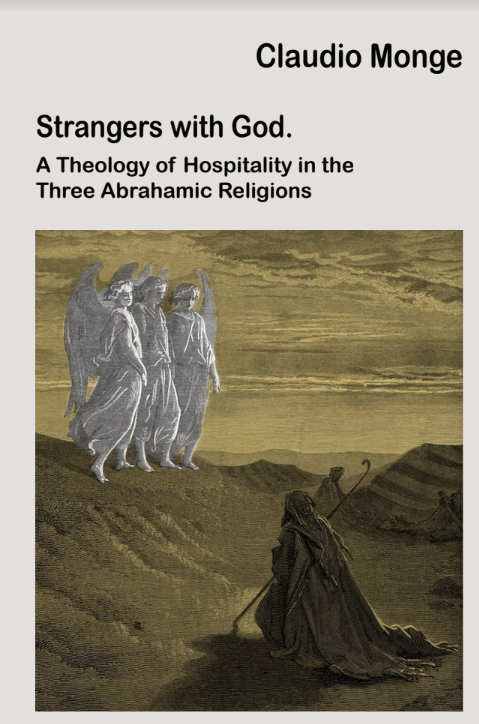
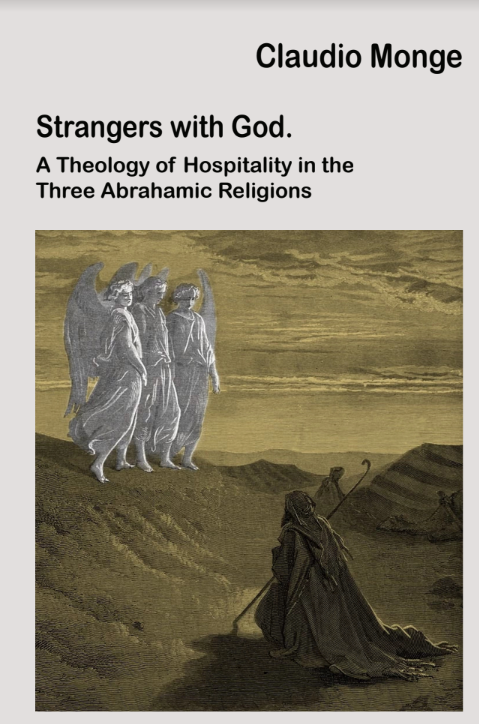
Published as Strangers with God. A Theology of Hospitality in the Three Abrahamic Religions (ATF Press, Adelaide, 2024, with a preface by Timothy Radcliffe), this book by Claudio Monge, o.p., offer...
Resources related to Muslim-Christian Dialogue
publication
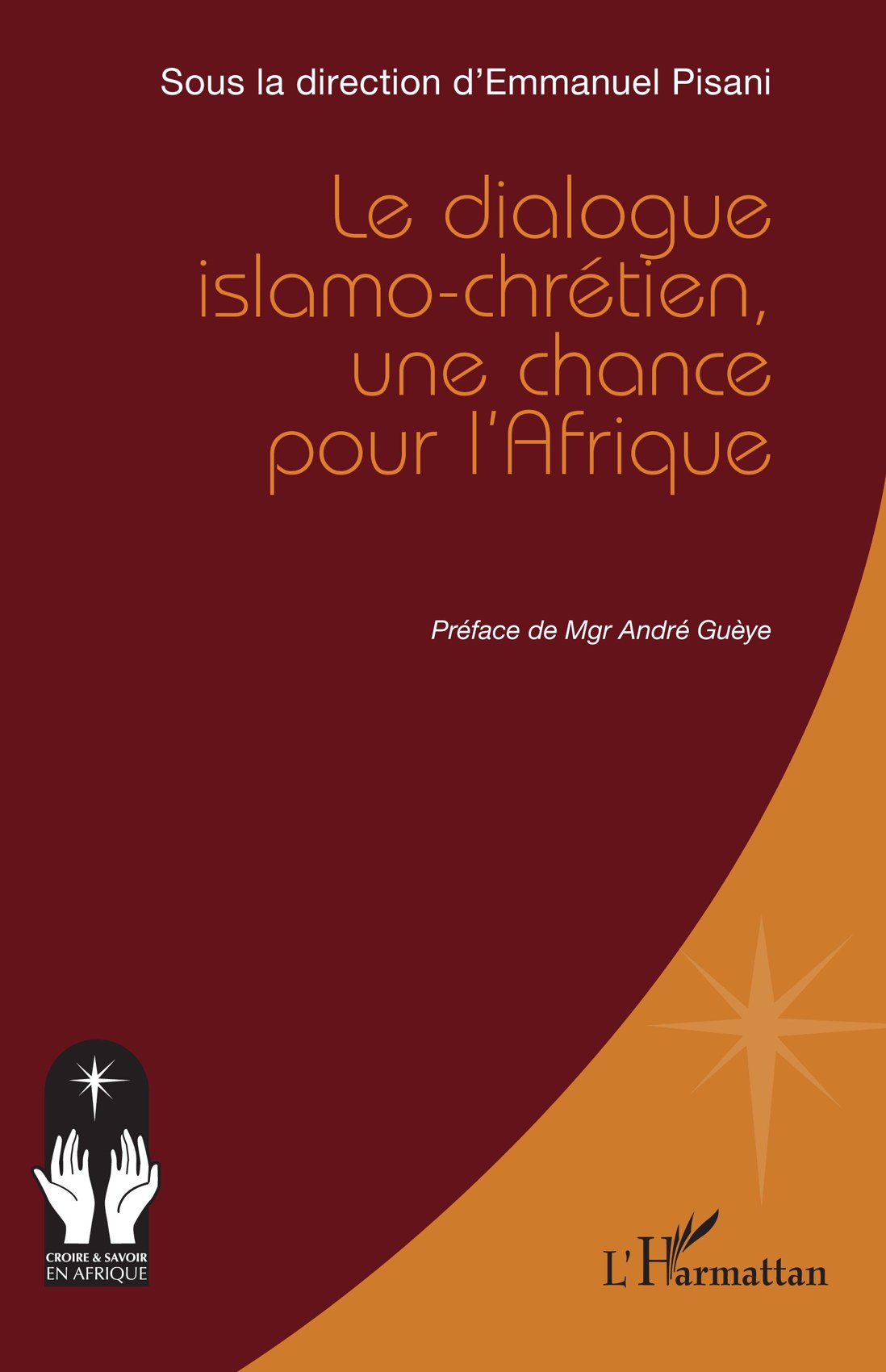
Christian-Muslim Dialogue, an Opportunity for Africa
- Emmanuel Pisani
At a time when sub-Saharan Africa is undergoing profound socio-political change and the rise of religious radicalism, Christian-Muslim dialogue emerges as an essential requirement and a condition f...

article
Islamic Visions of Jesus: Revelation, Prophecy, and Eschatology
- Antonio Cuciniello
Abstract Published in the collective volume Jerusalem in Memory and Eschatology: Jewish, Christian, and Muslim Visions of the Past and Future of Jerusalem, edited by Emma O'Donnell Polyakov (Blo...

article
Questions on Islamic Soteriology in Early Islam
- Jaume Flaquer Garcia
Abstract Published under the original title "Cuestiones sobre la soteriología islámica en el islam primitivo" in the collective volume Riesgos y fidelidades. Miradas teológicas para un mundo plu...

article
The Uncreated Muslim Qur’an and the Eternally Begotten Christian Logos
- Jaume Flaquer Garcia
Abstract Published under the original title "El Corán musulmán increado y el Logos cristiano eternamente engendrado" in the monographic section Logos, Agape, Sarx. Una dialógica cristiana of iss...

article
The First Council of Nicaea (325) and the Christian-Muslim Dialogue on God’s Unity and Trinity
- Dirk Ansorge
Abstract Published under the original title "Das erste Konzil von Nizäa (325) und der christlich-muslimische Dialog über Gottes Einheit und Dreifaltigkeit" in issue 2/2025 of CIBEDO-Beiträge, th...
article
Christian-Muslim Relations Today: Some Reflections
- David Marshall
Abstract Published as "Christian-Muslim Relations Today: Some Reflections" in a special issue of The Muslim World marking the 50th anniversary of the Duncan Black Macdonald Center (Hartford), th...
article
Ḥaydar Ibrāhīm ʿAlī, a Thinker on Multiple Fronts
- Guy-Raymond Sarkis
Abstract Ḥaydar Ibrāhīm ʿAlī, a Sudanese sociologist of religion, is a committed intellectual whose writings both arise from and respond to the challenges of his society. He calls for a liberati...

article
Literary, Semiotic and Hermeneutical Approaches to the Qur’an in the Modern Period
- Wasim Salman
Abstract In this contribution to issue 51 (Mélanges) of the journal Islamochristiana, published in Italian as Approcci letterari, semiotici ed ermeneutici al Corano nel periodo moderno, Wasim Sa...