

The Table as a Social Language: Food and Norms in al-Ǧāḥiẓ
Abstract
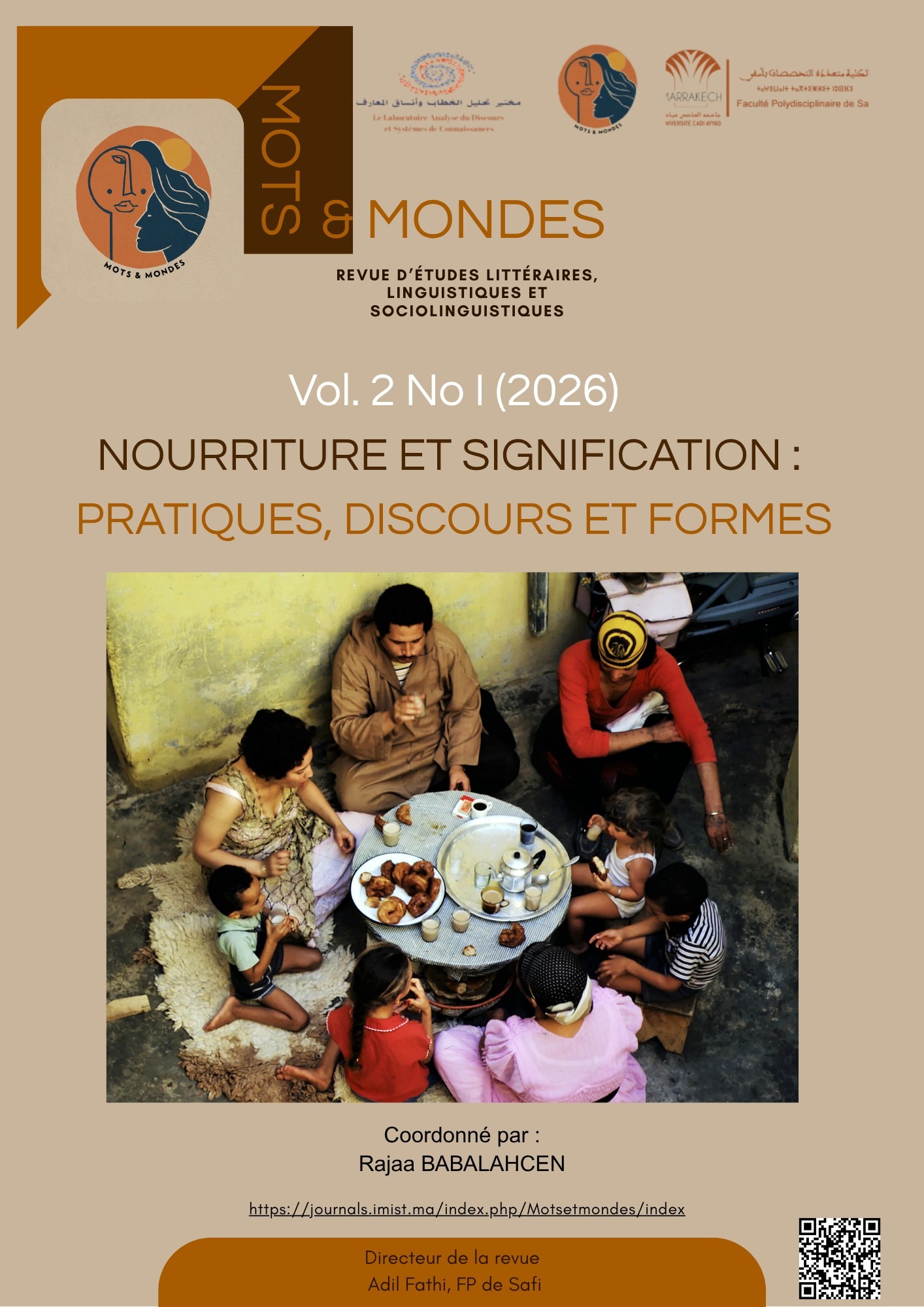
Published in French in the journal Mots et mondes. Revue d’études littéraires, linguistiques et sociolinguistiques (Cadi Ayyad University, Marrakesh), in the issue “Nourriture et signification : pratiques, discours et formes” (Food and Meaning: Practices, Discourses and Forms) edited by Rajaa Babalahcen (vol. 2, no. 1, 2026, pp. 99-116), this article by Faisal Kenanah, Senior Lecturer in Arabic Studies at the University of Caen Normandy, analyses food in the Abbasid period as a social and discursive phenomenon through the Kitāb al-Buḫalāʾ (The Book of Misers) by al-Ǧāḥiẓ (d. 255/868).
In large cities such as Baghdad and Basra, the table was a codified space: explicit invitations, expected reciprocity, care in presenting dishes, management of leftovers, Friday gatherings, and the communal Ramadan meals in which non-Muslims also took part. Accepting invitations without ever returning them, rationing portions, refusing to invite, or bringing along a “guest’s guest” all appear as social faults.
Al-Ǧāḥiẓ turns these practices into a satirical device. The miser, the central figure of the book, tries to evade the obligations of sharing while keeping the prestige of hospitality. To shed light on these scenes, the author draws selectively on Marcel Mauss (gift and counter-gift), Roland Barthes (food as a system of signs) and Pierre Bourdieu (table manners as instruments of distinction between elites and commoners, between city dwellers and Bedouins).
Finally, the article highlights the role of language: by cataloguing the abundant vocabulary used for “those who eat badly”, al-Ǧāḥiẓ shows that at the table, naming is already judging. Adab literature thus develops a satirical anthropology of taste.
The article is freely available on the journal website (DOI 10.34874/PRSM.mm-vol2issI.12459).
Résumé
Paru dans la revue Mots et mondes. Revue d’études littéraires, linguistiques et sociolinguistiques (Université Cadi Ayyad, Marrakech), au sein du numéro « Nourriture et signification : pratiques, discours et formes » coordonné par Rajaa Babalahcen (vol. 2, n° 1, 2026, p. 99-116), cet article de Faisal Kenanah, maître de conférences en études arabes à l’Université de Caen Normandie, analyse la nourriture à l’époque abbasside comme un fait social et discursif, à partir du Kitāb al-Buḫalāʾ (Le Livre des avares) d’al-Ǧāḥiẓ (m. 255/868).
Dans les grandes villes comme Bagdad et Bassora, la table est un espace codifié : invitation explicite, réciprocité attendue, soin apporté à la présentation des mets, gestion des restes, rythme du vendredi, repas collectifs du Ramadan auxquels prennent part aussi des non-musulmans. Profiter des invitations sans jamais inviter en retour, mesurer les portions, refuser d’inviter ou amener un « convive du convive » y apparaissent comme autant de fautes sociales.
Al-Ǧāḥiẓ transforme ces pratiques en dispositif satirique. L’avare, figure centrale de l’ouvrage, tente de se soustraire aux obligations du partage tout en conservant le prestige de l’hospitalité. Pour éclairer ces scènes, l’auteur mobilise ponctuellement Marcel Mauss (le don et le contre-don), Roland Barthes (la nourriture comme système de signes) et Pierre Bourdieu (les manières de table comme instruments de distinction entre élites et commun, entre citadins et bédouins).
L’article souligne enfin le rôle du langage : en inventoriant le lexique foisonnant qui désigne « ceux qui mangent mal », al-Ǧāḥiẓ montre qu’à table, nommer, c’est déjà juger. La littérature d’adab élabore ainsi une anthropologie satirique du goût.
L’article est en libre accès sur le site de la revue (DOI 10.34874/PRSM.mm-vol2issI.12459).
ملخّص
نُشر هذا المقال بالفرنسية في مجلة «كلمات وعوالم» (Mots et mondes) للدراسات الأدبية واللسانية والسوسيولسانية الصادرة عن جامعة القاضي عياض في مراكش، ضمن العدد المخصّص لموضوع «الطعام والدلالة: الممارسات والخطابات والأشكال» الذي نسّقته رجاء بابلحسن (المجلد 2، العدد 1، 2026، ص 99-116)، تحت العنوان الآتي:
La table comme langage social : nourriture et normes chez al-Ǧāḥiẓ
وفيه يحلّل فيصل كنعنة، الأستاذ المحاضر في الدراسات العربية في جامعة كاين نورماندي، الطعامَ في العصر العباسي بوصفه ظاهرة اجتماعية وخطابية، انطلاقاً من «كتاب البخلاء» للجاحظ (ت 255 ﻫ/868 م).
ففي المدن الكبرى مثل بغداد والبصرة، كانت المائدة فضاءً تحكمه الأعراف: دعوة صريحة، ومعاملة بالمثل منتظرة، وعناية بتقديم الأطباق، وتدبير لبقايا الطعام، وإيقاع خاص بيوم الجمعة، وموائد إفطار جماعية في رمضان كان يشارك فيها غير المسلمين أيضاً. أمّا الانتفاع بالدعوات دون ردّها، وتقتير الحصص، والامتناع عن الدعوة، واصطحاب «الضيفن» (أي ضيف الضيف)، فكلّها تبدو أخطاءً اجتماعية.
ويحوّل الجاحظ هذه الممارسات إلى أداة للسخرية. فالبخيل، الشخصية المحورية في الكتاب، يحاول التملّص من واجبات المشاركة مع الاحتفاظ بوجاهة الكرم. ولإضاءة هذه المشاهد، يستعين المؤلّف عند الحاجة بمارسيل موس (الهبة والهبة المقابلة)، ورولان بارت (الطعام بوصفه نظاماً من العلامات)، وبيار بورديو (آداب المائدة بوصفها أداة للتمييز بين الخاصّة والعامّة، وبين الحضر والبدو).
ويبرز المقال أخيراً دور اللغة: فحين يحصي الجاحظ المعجم الغزير الذي يصف «من يسيء الأكل»، يبيّن أنّ التسمية على المائدة هي في حدّ ذاتها إصدارُ حكم. وهكذا تبني كتب الأدب أنثروبولوجيا ساخرة للذوق.
والمقال متاح مجّاناً على موقع المجلة.


Resources of this researcher
Resources related to History
publication
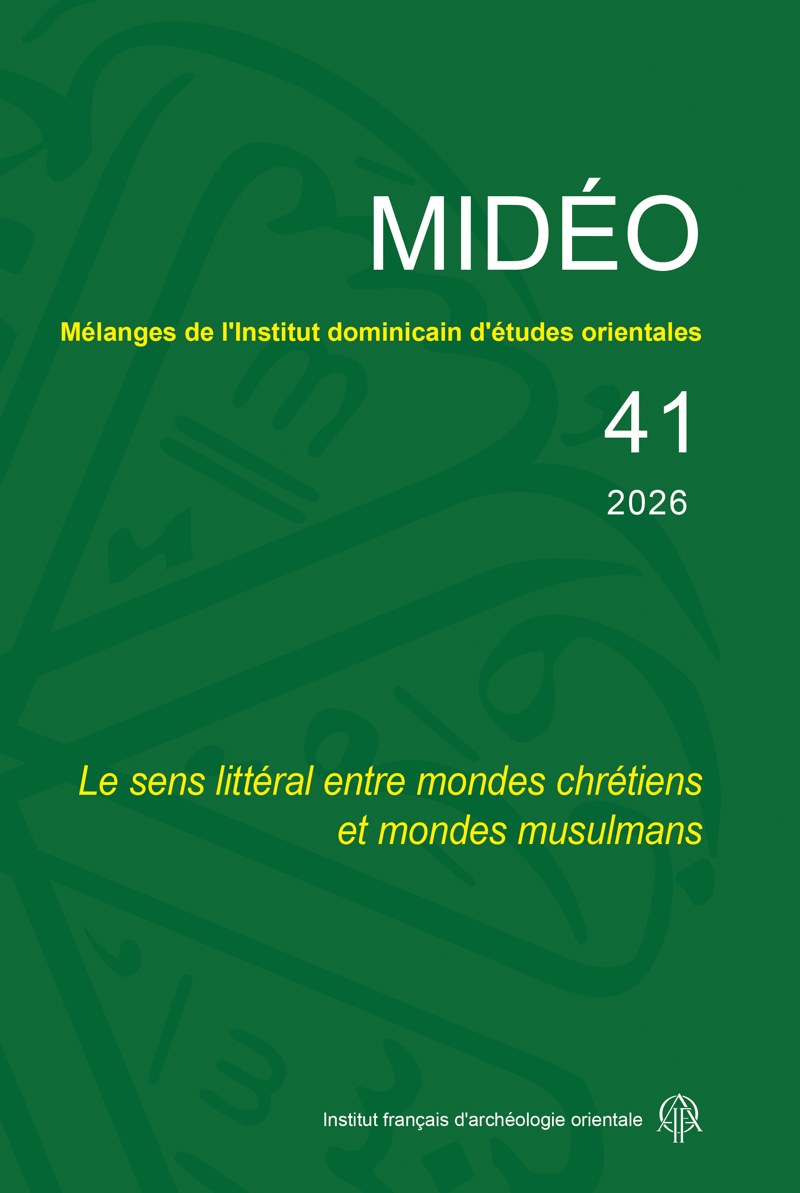
MIDÉO No. 41: The Literal Meaning between Christian Worlds and Muslim Worlds
- Jean Druel
- Emmanuel Pisani
Entitled after its thematic dossier The Literal Meaning between Christian Worlds and Muslim Worlds, issue 41 of the Mélanges de l’Institut dominicain d’études orientales (MIDÉO) address...

article
Experiencing a Mosque Through Photography: Islam As an Ordinary Religion
- Guillaume Chatagny
Abstract Published in 2021 in Visual Ethnography (vol. 10, no. 2) under the title "Experiencing a Mosque Through Photography: Islam As an Ordinary Religion", this article by Guillaume Chatagny, ...

article
Islam Seen through the Work of Aziz al-Azmeh
- Wasim Salman
Abstract Published in Arabic in issue 50 (2024) of Islamochristiana (PISAI, released in April 2025), this essay by Wasim Salman, president of PISAI and director of the journal, examines the rela...

article
Islamic Visions of Jesus: Revelation, Prophecy, and Eschatology
- Antonio Cuciniello
Abstract Published in the collective volume Jerusalem in Memory and Eschatology: Jewish, Christian, and Muslim Visions of the Past and Future of Jerusalem, edited by Emma O'Donnell Polyakov (Blo...

article
The First Council of Nicaea (325) and the Christian-Muslim Dialogue on God’s Unity and Trinity
- Dirk Ansorge
Abstract Published under the original title "Das erste Konzil von Nizäa (325) und der christlich-muslimische Dialog über Gottes Einheit und Dreifaltigkeit" in issue 2/2025 of CIBEDO-Beiträge, th...
publication
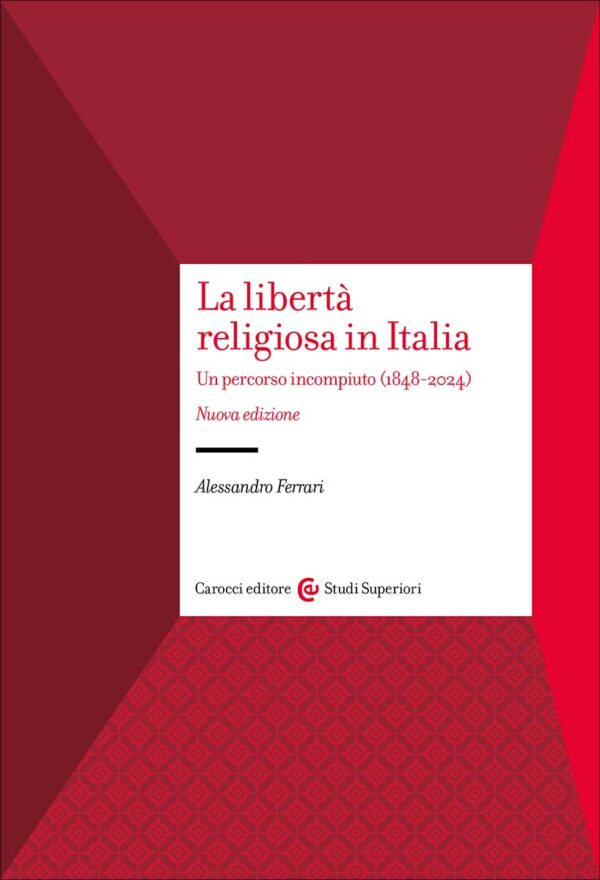
Religious Freedom in Italy. An Unfinished Path (1848-2024)
- Alessandro Ferrari
Published under the original title La libertà religiosa in Italia. Un percorso incompiuto (1848-2024), this synthesis by Alessandro Ferrari, professor of ecclesiastical law and comparative religiou...
article
The Table as a Social Language: Food and Norms in al-Ǧāḥiẓ
- Faisal Kenanah
Abstract Published in French in the journal Mots et mondes. Revue d'études littéraires, linguistiques et sociolinguistiques (Cadi Ayyad University, Marrakesh), in the issue "Nourriture et signif...

publication
The Recognition of a Hummingbird. Essays on Interreligious Dialogue and Missionary Work (2007-2025)
- Rémi Caucanas
Published in May 2026 by PISAI (Pontifical Institute for Arabic and Islamic Studies, Rome), this collection brings together the essays of Rémi Caucanas on interreligious dialogue and missionary wor...