
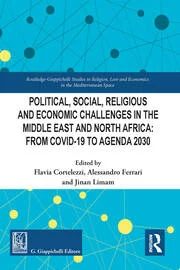

Al-Azhar and Politics in Egypt in the Post-Arab Spring: Al-Azhar’s Position within State-Society Relations (2011-2021)
Presentation
This chapter analyses the transformations of al-Azhar’s position within state-society relations in Egypt, from the 2011 revolution to 2021. A centuries-old religious institution, al-Azhar saw its political and symbolic role redefined through the upheavals of the decade: revolutionary opening, authoritarian restoration, and a constant negotiation of its autonomy vis-a-vis the state.
Mohamed Gamal Ali sheds light on how the institution sought to preserve its influence and religious legitimacy within a political field in flux.
This chapter by Mohamed Gamal Ali appeared in the edited volume Political, Social, Religious and Economic Challenges in the Middle East and North Africa (Routledge, ed. Alessandro Ferrari, 2025, pp. 63-92).
Présentation
Ce chapitre analyse les transformations de la position d’al-Azhar au sein des relations entre l’État et la société en Égypte, de la révolution de 2011 à 2021. Institution religieuse séculaire, al-Azhar a vu son rôle politique et symbolique redéfini au fil des soubresauts de la décennie : ouverture révolutionnaire, reprise en main autoritaire, négociation permanente de son autonomie face au pouvoir.
Mohamed Gamal Ali éclaire la manière dont l’institution a cherché à préserver son influence et sa légitimité religieuse dans un champ politique en recomposition.
Ce chapitre de Mohamed Gamal Ali a paru dans l’ouvrage collectif Political, Social, Religious and Economic Challenges in the Middle East and North Africa (Routledge, dir. Alessandro Ferrari, 2025, p. 63-92).
تقديم
يتناول هذا الفصل تحوّلات مكانة الأزهر في العلاقات بين الدولة والمجتمع في مصر، من ثورة 2011 حتّى عام 2021. فالأزهر، وهو مؤسسة دينية عريقة، أُعيد تعريف دوره السياسي والرمزي مع تعاقب هزّات العقد: انفتاح ثوري، ثمّ إحكام سلطويّ، فمساومة دائمة على استقلاله إزاء السلطة.
ويُضيء محمد جمال علي كيف سعت المؤسسة إلى صون نفوذها وشرعيتها الدينية في حقل سياسيّ آخذ في إعادة التشكّل.
صدر هذا الفصل للباحث محمد جمال علي ضمن الكتاب الجماعي التالي (Routledge، بإشراف أليساندرو فيراري، 2025، الصفحات 63-92):
Political, Social, Religious and Economic Challenges in the Middle East and North Africa



Resources of this researcher
article
The Politics of Family Laws in Egypt and Tunisia: A Comparative Study of State-Religion Relations
Abstract Egypt and Tunisia share many historical, cultural and political commonalities, yet their state-religion arrangements differ markedly, particularly regarding the scope of religious referenc...
publication
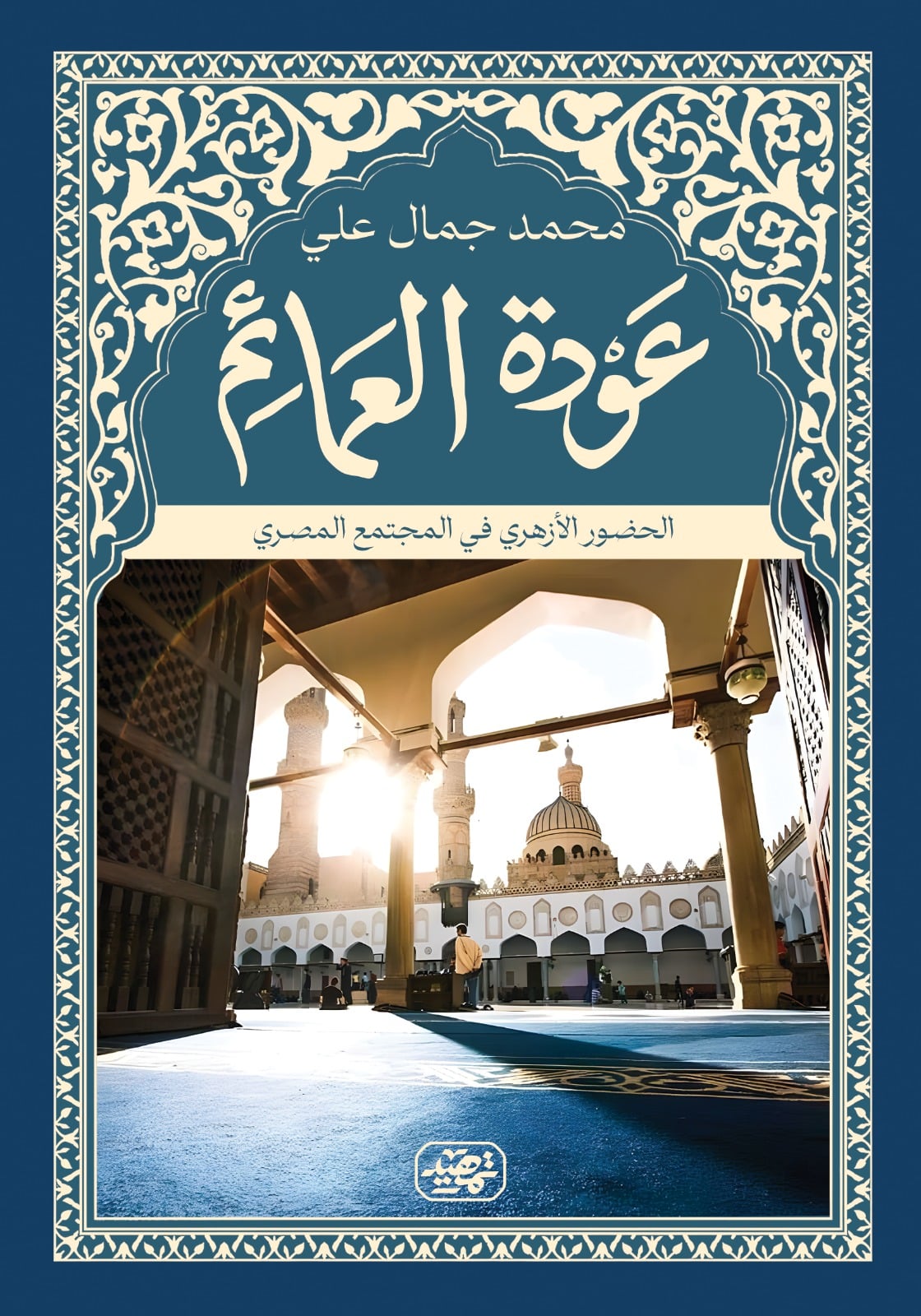
The Return of Turbans. Al-Azhar’s Presence in Egyptian Society
Published in late 2024, “The Return of the Turbans: Al-Azhar’s Presence in Egyptian Society” is the culmination of Mohamad Gamal Ali’s master’s thesis in political sci...
article
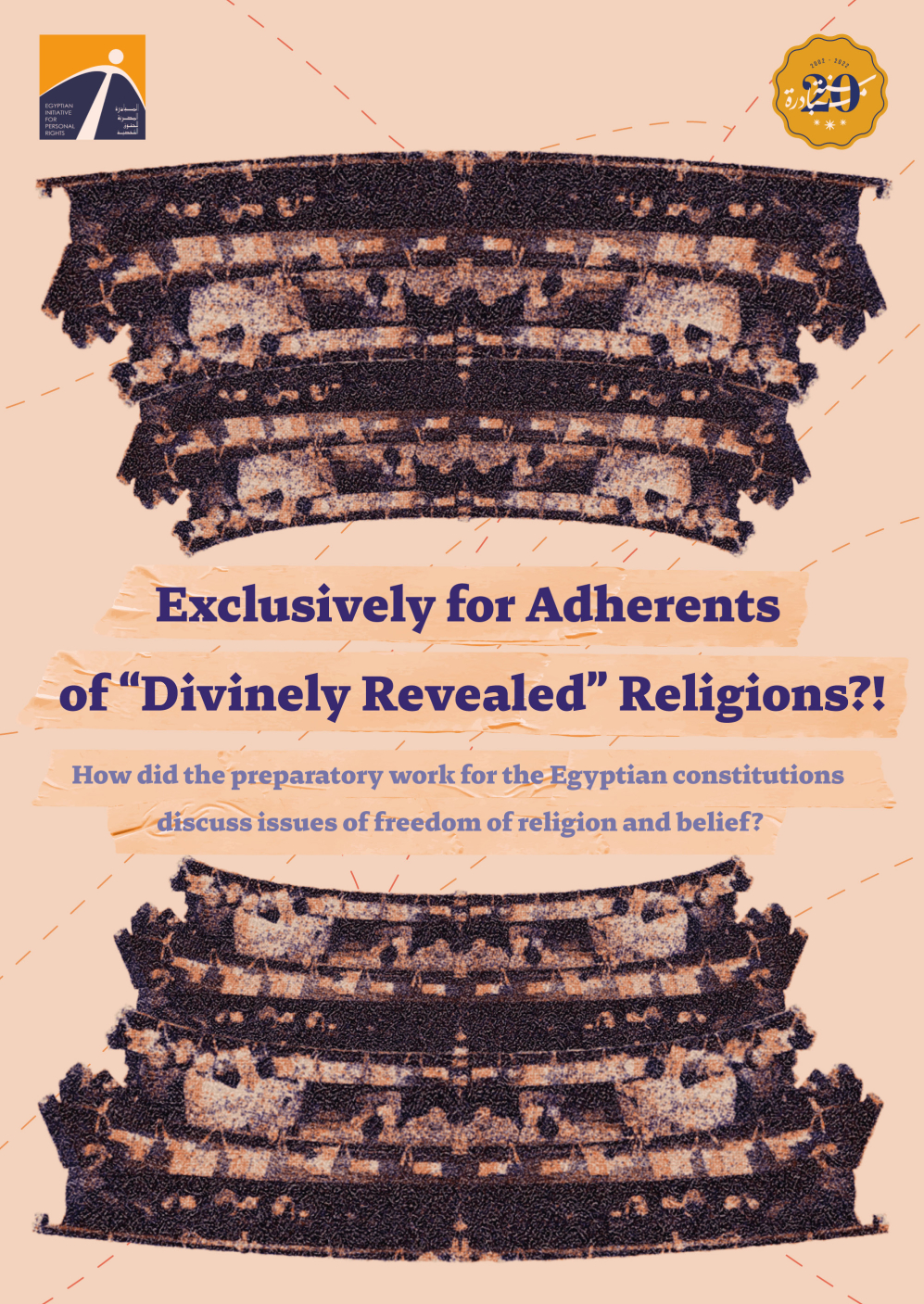
Exclusively for Adherents of ‘Divinely Revealed’ Religions?
How did the preparatory work for the Egyptian constitutions discuss issues of freedom of religion and belief? « The term “divinely revealed religions” is used in the constitution, laws, and some...

videos
The concept of “citizenship” in the Azhari discourse. Problems and contradictions
The concept of "citizenship" in the Al-Azhar discourse, problems and contradictions Al-Azhar Foundation announces on various occasions its full adoption of the concept of “citizenship,” and the ...
Resources related to Political Islam
publication
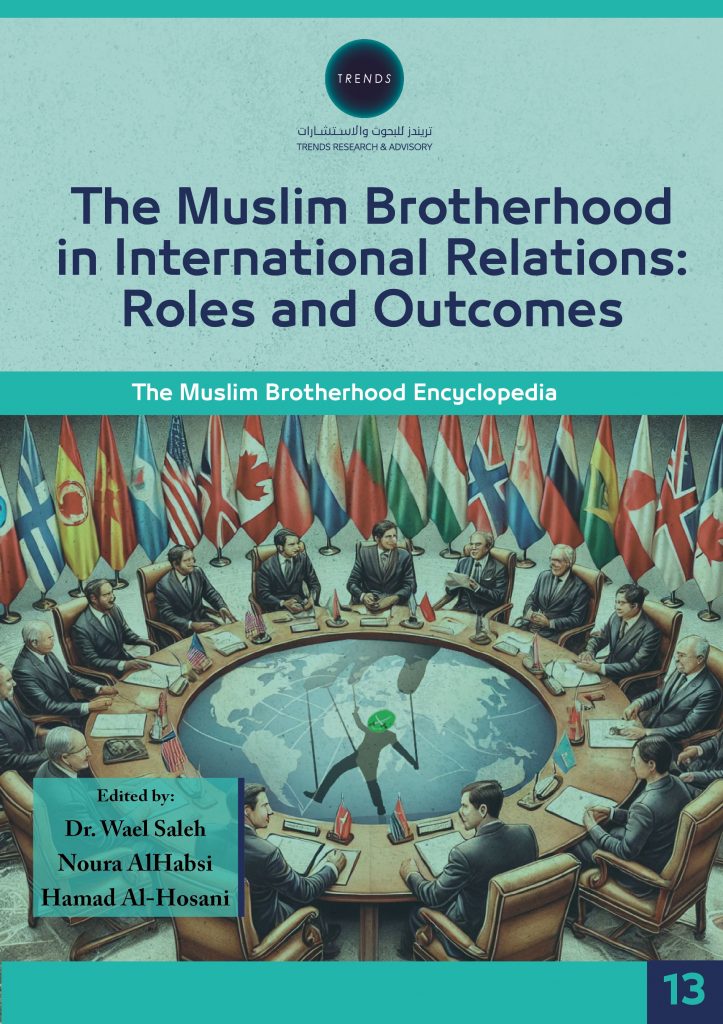
The Muslim Brotherhood in International Relations: Roles and Outcomes
- Wael Saleh
In this book published by TRENDS Research & Advisory (Abu Dhabi, May 2026), Wael Saleh, a member of Pluriel‘s coordination committee, examines the place and modes of action of the Muslim ...
videos
Interreligious Dialogue and Ethnic Nationalisms in the Balkans
At the invitation of PISAI (Pontifical Institute for Arabic and Islamic Studies, Rome) and Georgetown University, Ahmet Alibašić, professor of Islamic civilization at the Faculty of Islamic Studies...
publication
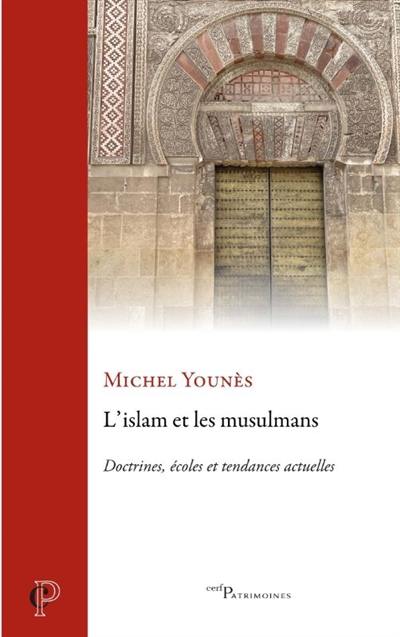
Islam and Muslims. Doctrines, Schools of Thought, and Current Trends
- Michel Younès
Publication date: April 16, 2026. Islam, as a historical, religious, and civilizational reality, is difficult to define. It can be perceived as a form of political governance, an expression of fait...

videos
Aesthetics and politico-ethics of Islamic thought: for a new reading of Averroes
Paper presented at the 5th international congress of the University Platform for Research on Islam (Pluriel), held in Cordoba from 10 to 14 February 2026 on the theme "Ethics and Aesthetics in Isla...
publication
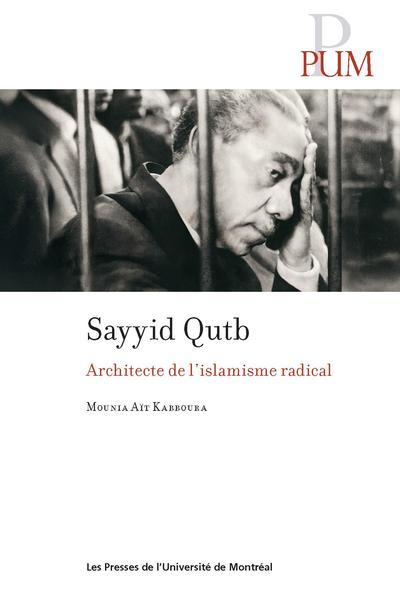
Sayyid Qutb. Architect of Radical Islamism
- Mounia Ait Kabboura
The thought of Sayyid Qutb (1906–1966) has profoundly shaped a wide range of religio-political movements, from the Muslim Brotherhood to Salafi-jihadists, radicalizing political Islam and inspiring...

publication
God Is with Us: How Islam and Judaism Justify Violence
- Haoues Seniguer
Long before October 7, 2023—and even more so since—certain politicized strands of Judaism and Islam have been creating conditions that legitimize, escalate, and sacralize violence in God’s na...
article
Al-Azhar and Politics in Egypt in the Post-Arab Spring: Al-Azhar’s Position within State-Society Relations (2011-2021)
- Mohamed Gamal Ali
Presentation This chapter analyses the transformations of al-Azhar's position within state-society relations in Egypt, from the 2011 revolution to 2021. A centuries-old religious institution, al-Az...
article
The Politics of Family Laws in Egypt and Tunisia: A Comparative Study of State-Religion Relations
- Mohamed Gamal Ali
Abstract Egypt and Tunisia share many historical, cultural and political commonalities, yet their state-religion arrangements differ markedly, particularly regarding the scope of religious referenc...