

Référence :
Araucaria. Revista Iberoamericana de Filosofía, Política, Humanidades y Relaciones Internacionales, año 21, nº 41. Primer semestre de 2019. Pp. 465-494. ISSN 1575-6823 e-ISSN 2340-2199 doi: 10.12795/araucaria.2019.i41.22

Spanish

The Theory of Inclusion / Moderation as a Gate to Islamic Populism: The Case of the Muslim Brotherhood (Egypt, Palestine, Jordan and Syria)
Original title : La Teoría de la Inclusión/Moderación como puerta hacia el Populismo Islámico: El caso de los Hermanos Musulmanes (Egipto, Palestina, Jordania y Siria)
Titre original : “La Teoría de la Inclusión/Moderación como puerta hacia el Populismo Islámico: El caso de los Hermanos Musulmanes (Egipto, Palestina, Jordania y Siria)”
Résumé
Au cours des dernières décennies, nous avons été témoins d’une crise de l’islamisme et de diverses réponses pour surmonter cette crise. Ainsi, nous avons vu comment, grâce à l’acceptation de ces organisations dans le jeu politique, leurs propositions ont été revues à la baisse. La réalité est qu’une bonne partie de ces mouvements ont donné un nouveau modèle d’organisation qui peut être appelé “populisme islamique” dont les caractéristiques sont uniques, bien que certaines soient partagées avec d’autres mouvements populistes. Ce travail tente de montrer, avec le cas des Frères musulmans en Egypte, comment les mouvements islamistes peuvent, dans certaines circonstances, dériver vers un populisme aux traits islamiques.
في خلال العقود الأخيرة المنصرمة، شهدنا أزمة الإسلاموية ومختلف الاستجابات لتخطّيها. وبالتالي تلمّسنا كيف تراجعت مقترحات هذه المنظّمات نتيجة قبولها في اللعبة السياسية. والواقع أنّ عدداً كبيراً من هذه الحركات اكتسبت نموذج تنظيمٍ جديداً يُمكن تسميته بـ”الشعبوية الإسلامية” ويتّسم بخصائص فريدة رغم أنّ بعضاً منها تتشاركه حركات شعبوية أخرى. ويحاول هذا العمل أن يُثبت استناداً إلى دراسة حالة الإخوان المسلمين في مصر، كيف تتّخذ الحركات الإسلامية في ظلّ ظروف معيّنة منحى يقودها نحو الشعبوية ذات السمات الإسلامية.
Sumario
En las últimas décadas hemos asistido a una crisis del islamismo y a diversas respuestas para superar la mencionada crisis. Así, hemos visto como mediante la inclusión de estas organizaciones en el juego político, sus pociones se han ido moderando considerablemente. La realidad es que buena parte de estos movimientos han derivado hacia un nuevo modelo de organización que puede ser denominada como “populismo islámico” cuyas características son propias y singulares, aunque algunas son compartidas con otros movimientos populistas de otra índole. Este trabajo trata de mostrar usando el caso de los Hermanos Musulmanes en Egipto como los movimientos islamistas pueden, bajo determinadas circunstancias, derivar hace un populismo con características islámicas.
Palabras-clave: Populismo, Islamismo, Moderación, Hermanos Musulmanes.
 Download PDF


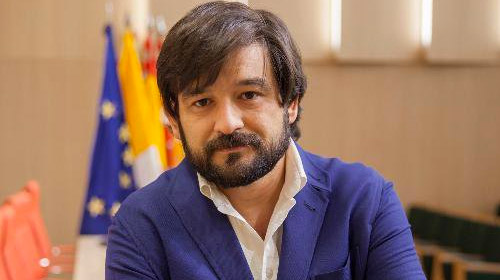
Resources of this researcher
article
The evolution of terrorism from Al Qaeda to ISIS: organization, methodology and profiles
Original title : "La evolución del terrorismo de Al Qaeda al ISIS: organización, metodología y perfiles" Abstract In the last 25 years international terrorism has evolved significantly. The e...
article
Fundamentalism, Extremism, Fanaticism and Religious Terrorism. An effort at Clarification
Original title: "Fundamentalismo, extremismo, fanatismo y terrorismo religioso. una clarificación de los conceptos" Abstract In recent years, we have witnessed an increase in terrorist ac...

videos
Alberto Priego interviews John L. Esposito
Alberto Priego, International Relations professor at Comillas Pontifical University, interviews John L. Esposito on the ocassion of his appointmet as Doctor Honoris Causa.
article
Islamic Populism: A Non-Western Response to Globalization
Original title : "El populismo islámico: una respuesta no occidental a la globalización" Abstract Globalisation’s excesses, the Muslim world’s hybrid regimes and the lack of credibility of pa...
Resources related to Islamism

publication
The Epistemological Other in Studies of Islamism: From Postcolonialism to Systemic Epistemic Alterity
- Wael Saleh
Wael Saleh, a member of Pluriel‘s coordination committee, has published a new study in Arabic with TRENDS Research & Advisory (Abu Dhabi). Released on 21 October 2026 under the title الآخ...

publication
Understanding Salafism
- Mohamed-Ali Adraoui
Published in 2022 by Palgrave Macmillan (Springer) in the series The Sciences Po Series in International Relations and Political Economy, this book by Mohamed-Ali Adraoui, professor at Sorbonne Par...
article
Wael Saleh: “Recognising Without Confining, to Better ‘De-other’ the Public Debate”
- Wael Saleh
In an op-ed published on 20 July 2026 by Le Devoir, Wael Saleh, a member of the scientific committee of Pluriel, puts forward a new concept for contemporary democratic debate: "de-othering" (in Fre...
article
The grammar of sacred violence: A critical discourse analysis of radical Islamist writings
- Mohamed-Ali Mostfa
This article offers a discursive analysis of two contemporary Islamist texts that present violence not as a deviation from religious normativity, but as its necessary, even redemptive expression. I...
publication
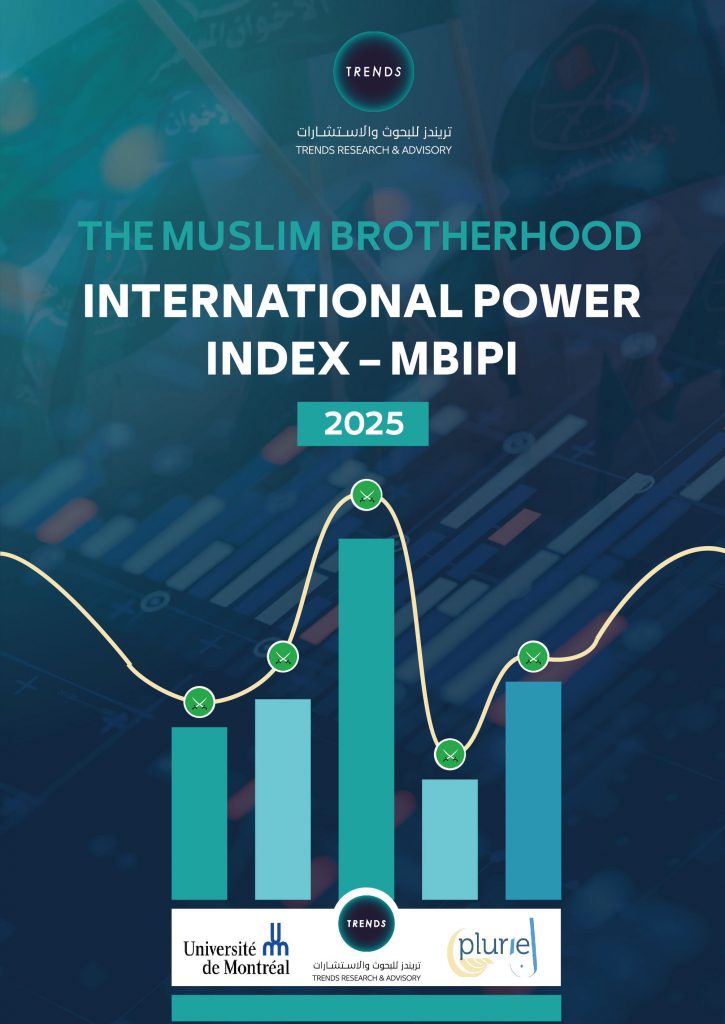
The Muslim Brotherhood International Power Index (MBIPI) 2025
- Wael Saleh
- Patrice Brodeur
Published in February 2026 by TRENDS Research & Advisory (Abu Dhabi), The Muslim Brotherhood International Power Index (MBIPI) 2025 offers the first systematic, global measurement of the Brothe...
publication
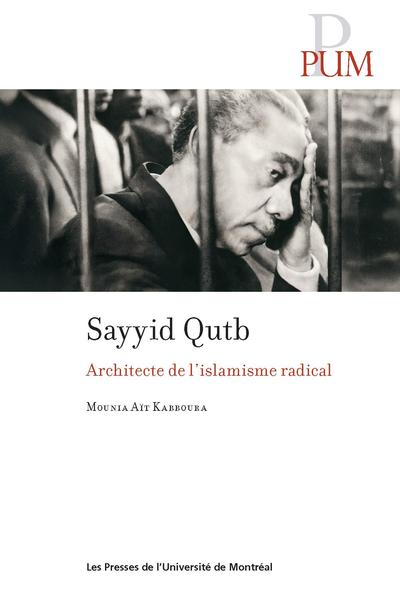
Sayyid Qutb. Architect of Radical Islamism
- Mounia Ait Kabboura
The thought of Sayyid Qutb (1906–1966) has profoundly shaped a wide range of religio-political movements, from the Muslim Brotherhood to Salafi-jihadists, radicalizing political Islam and inspiring...
publication
Salafist Movements in Europe: Between Local and Transnational Mobilizations
- Mohamed-Ali Adraoui
In this chapter, the author sheds light on the main sociological features and academic debates on the issue of Salafism in Europe. Through a comparative analysis of different countries, he shows th...
publication
The Caliphate and Secularism. Syrian perspectives
- Wasim Salman
The book confronts us with two opposing possibilities facing contemporary Arab society, namely the caliphate and secularism. While the former refers to the Islamic monarchy, theocracy and absolute ...