
Mediterranean, Religions and Societies Chair: call for applications for 2026-2027
The Mediterranean, Religions and Societies Chair, jointly established by the Pontifical Institute for Arabic and Islamic Studies (PISAI) in Rome and the Institut français Centre Saint-Louis (IFCSL), has opened its call for applications for the 2026-2027 academic year, its second year of operation. The call is addressed to doctoral candidates and post-doctoral researchers with a demonstrated interest in Mediterranean questions, across all disciplines of the social sciences and humanities. The deadline for submissions is Sunday, 20 September 2026 at 11 p.m. (Paris time).
Under the direction of the Chair holder, Dominique Avon, Director of Studies at the École pratique des hautes études (EPHE-PSL), the 2026-2027 programme will explore the religious dimension of conflicts in the Mediterranean. Coordination of the Chair is now based in Rome under the responsibility of Rémi Caucanas, associate researcher at PISAI and member of the Pluriel network.
Provisional programme
Successful applicants will take part in five sessions during the year, three online and two in person in Rome and Cairo:
- 14 October 2026 · inaugural lecture (online): “Conflicts in the Mediterranean: what does the religious factor stand for?”;
- 10 December 2026 · seminar in Rome (in person): “Refugees: policies of welcome and policies of security”;
- 24 February 2027 · workshop (online): work-in-progress presentations by the doctoral candidates;
- 14 April 2027 · public lecture (online): “Faith-based humanitarian organisations”;
- 28 June – 2 July 2027 · summer school at the Dominican Institute for Oriental Studies (IDEO) in Cairo (in person): “Religious discourse: contempt, hatred, fraternity and love”.
The doctoral candidates will also be invited to take part in the PISAI Centenary conference in Rome on 11-12 December 2026. At the close of the academic year, participants will join the Chair’s alumni network.
Eligibility and application file
- be a doctoral candidate (registered in a doctoral programme for the 2026 academic year) or a post-doctoral researcher (on a postdoctoral contract) affiliated with a university or research centre;
- have sufficient command of French to follow courses and lectures in that language (applications may be submitted in French, Italian, Arabic or English);
- commit to attending all activities according to the specified arrangements.
The application file must include a curriculum vitae, a letter of motivation, a letter of support from the applicant’s home university or research centre, and a summary of the research project (three pages maximum: topic, methodology, sources, bibliography, lines of enquiry and preliminary findings).
Travel, accommodation and visa costs will be covered for the two in-person mobilities in Rome and Cairo. Selection results will be announced before the end of September.
How to apply
- Deadline: Sunday 20 September 2026 at 11 p.m. (Paris time);
- Applications: to be sent electronically to Ms Lorraine Creusot, cultural and cooperation attaché at IFCSL, lorraine.creusot@ifcsl.com;
- Documents: full call for applications (PDF) and detailed presentation of the Chair (PDF).
The Mediterranean, Religions and Societies Chair brings together some fifteen universities and research centres from around the Mediterranean rim. For further background on its remit and history, see the presentation published on pluriel.fuce.eu at the launch of the Chair.
La Chaire Méditerranée, religions et sociétés, née d’un partenariat entre l’Institut pontifical d’études arabes et d’islamologie (PISAI) et l’Institut français Centre Saint-Louis (IFCSL), ouvre son appel à candidatures pour l’année académique 2026-2027, deuxième année de fonctionnement. L’appel s’adresse aux doctorantes, doctorants, post-doctorantes et post-doctorants justifiant d’un intérêt particulier pour les questions méditerranéennes, dans toutes les disciplines des sciences humaines et sociales. La date limite de dépôt des candidatures est fixée au dimanche 20 septembre 2026 à 23 h (heure de Paris).
Sous la direction de son titulaire, Dominique Avon, directeur d’études à l’École pratique des hautes études (EPHE-PSL), le programme 2026-2027 explorera la dimension religieuse des conflits en Méditerranée. La coordination de la Chaire est désormais assurée depuis Rome par Rémi Caucanas, chercheur associé au PISAI et membre du réseau Pluriel.
Programme prévisionnel
Les candidates et candidats retenus participeront à cinq sessions, trois en distanciel et deux en présentiel à Rome et au Caire :
- 14 octobre 2026 · conférence inaugurale (distanciel) : « Conflits en Méditerranée : de quoi le facteur religieux est-il le nom ? » ;
- 10 décembre 2026 · séminaire à Rome (présentiel) : « Les réfugiés : politiques d’accueil et politiques de sécurité » ;
- 24 février 2027 · atelier (distanciel) : travaux des doctorantes et doctorants ;
- 14 avril 2027 · conférence publique (distanciel) : « Les organisations humanitaires à dimension confessionnelle » ;
- 28 juin – 2 juillet 2027 · université d’été à l’Institut dominicain d’études orientales (IDEO), au Caire (présentiel) : « Discours religieux : mépris, haine, fraternité et amour ».
Les doctorantes et doctorants seront également invités à participer au colloque du centenaire du PISAI, les 11 et 12 décembre 2026 à Rome. À l’issue de l’année, les participantes et participants rejoindront le réseau Alumni de la Chaire.
Conditions et dossier de candidature
- être doctorante, doctorant (avec une inscription en doctorat à la rentrée 2026) ou post-doctorante, post-doctorant (avec un contrat postdoctoral) dans une université ou un centre de recherche ;
- justifier d’une maîtrise suffisante du français pour suivre des cours et conférences dans cette langue (dossiers acceptés en français, italien, arabe ou anglais) ;
- s’engager à participer à la totalité des activités selon les modalités indiquées.
Le dossier de candidature comprend un curriculum vitae, une lettre de motivation, une lettre de soutien de l’université ou du centre de recherche d’appartenance et un résumé du projet de recherche (trois pages maximum : sujet, méthodologie, sources, bibliographie, pistes de travail et éventuels résultats).
Les frais de transport, d’hébergement et de visas sont pris en charge pour les deux mobilités à Rome et au Caire. Les résultats de la sélection seront communiqués avant la fin du mois de septembre.
Modalités pratiques
- Date limite : dimanche 20 septembre 2026 à 23 h (heure de Paris) ;
- Envoi des candidatures : par voie électronique à Mme Lorraine Creusot, attachée culturelle et de coopération de l’IFCSL, lorraine.creusot@ifcsl.com ;
- Documents : appel à candidatures complet (PDF) et présentation détaillée de la Chaire (PDF).
La Chaire Méditerranée réunit une quinzaine d’universités et de centres de recherche du pourtour méditerranéen. Pour en savoir plus sur sa vocation et son histoire, voir la présentation publiée sur pluriel.fuce.eu au lancement de la Chaire.
يفتح كرسي « المتوسط، الأديان والمجتمعات »، الذي أُنشئ بشراكة بين المعهد البابوي للدراسات العربية والدراسات الإسلامية (PISAI) في روما والمعهد الفرنسي مركز سان لويس (IFCSL)، دعوته لتقديم الترشيحات للسنة الجامعية 2026-2027، وهي السنة الثانية من عمله. تتوجّه الدعوة إلى طلبة الدكتوراه والباحثين ما بعد الدكتوراه ممّن يبدون اهتماماً خاصاً بالمسائل المتوسطية، في مختلف حقول العلوم الإنسانية والاجتماعية. وقد حُدّد الأحد 20 أيلول/سبتمبر 2026 على الساعة الحادية عشرة ليلاً بتوقيت باريس موعداً أقصى لإيداع الملفات.
يقود برنامج السنة الجامعية 2026-2027 صاحب الكرسي دومينيك أفون، مدير الدراسات في المدرسة التطبيقية للدراسات العليا (EPHE-PSL) بباريس، حول موضوع البُعد الديني للنزاعات في حوض المتوسط. ويتولّى تنسيق الكرسي من روما ريمي كوكاناس، الباحث المشارك في المعهد البابوي وعضو المنصة الجامعية للدراسات حول الإسلام (Pluriel).
البرنامج المتوقّع
يشارك المرشّحون المقبولون في خمس جلسات على مدار السنة، ثلاث عن بُعد واثنتان حضورياً في روما والقاهرة:
- 14 تشرين الأول/أكتوبر 2026 · محاضرة افتتاحية عن بُعد بعنوان « النزاعات في المتوسط: عن أيّ شيء يعبّر العامل الديني؟ »؛
- 10 كانون الأول/ديسمبر 2026 · حلقة دراسية حضورية في روما بعنوان « اللاجئون: سياسات الاستقبال وسياسات الأمن »؛
- 24 شباط/فبراير 2027 · ورشة عن بُعد تُخصَّص لأعمال طلبة الدكتوراه؛
- 14 نيسان/أبريل 2027 · محاضرة عمومية عن بُعد بعنوان « المنظمات الإنسانية ذات المرجعية الدينية »؛
- 28 حزيران/يونيو – 2 تموز/يوليو 2027 · جامعة صيفية حضورية في القاهرة، بمقرّ المعهد الدومنيكي للدراسات الشرقية (IDEO)، بعنوان « الخطاب الديني: الاحتقار والكراهية والأخوّة والمحبّة ».
كما يُدعى طلبة الدكتوراه إلى المشاركة في مؤتمر مئوية المعهد البابوي في روما يومَي 11 و12 كانون الأول/ديسمبر 2026. وفي ختام السنة، ينضمّ المشاركون إلى شبكة خرّيجي الكرسي.
شروط الترشّح وملفّ الترشيح
- أن يكون المرشّح طالب دكتوراه (يُثبت تسجيله في برنامج دكتوراه للسنة الجامعية 2026) أو باحثاً ما بعد الدكتوراه (يُثبت وجود عقد أبحاث ما بعد الدكتوراه) في جامعة أو مركز أبحاث؛
- أن يمتلك من اللغة الفرنسية ما يكفي لمتابعة الدروس والمحاضرات بهذه اللغة، علماً أنّ الملفّات تُقبل بالفرنسية أو الإيطالية أو العربية أو الإنجليزية؛
- أن يلتزم بالمشاركة في جميع الأنشطة وفق الترتيبات المحدّدة.
يشتمل ملفّ الترشيح على السيرة الذاتية، ورسالة تحفيز، ورسالة دعم من الجامعة أو مركز البحث الأصلي، وملخّص لمشروع البحث في ثلاث صفحات على الأكثر (الموضوع والمنهج والمصادر والمراجع ومسارات العمل والنتائج الأوّلية المحتمَلة).
تُغطّى نفقات السفر والإقامة والتأشيرات لأجل الرحلتين الحضوريّتين إلى روما والقاهرة. وسوف تُعلَن نتائج الانتقاء قبل نهاية شهر أيلول/سبتمبر.
كيفية الترشّح
- الموعد الأقصى: الأحد 20 أيلول/سبتمبر 2026 على الساعة الحادية عشرة ليلاً بتوقيت باريس؛
- إرسال الملفّات: إلكترونياً إلى السيدة لورين كروزو، الملحقة الثقافية وشؤون التعاون في المعهد الفرنسي مركز سان لويس، lorraine.creusot@ifcsl.com؛
- الوثائق: نصّ الدعوة كاملاً (PDF) والعرض التفصيلي للكرسي (PDF).
يجمع كرسي « المتوسط، الأديان والمجتمعات » نحو خمس عشرة جامعة ومركز أبحاث من مختلف ضفاف المتوسط. وللاطّلاع على رؤيته وتاريخه، انظر العرض المنشور على المنصة الجامعية للدراسات حول الإسلام بمناسبة إطلاق الكرسي.


Resources related to Interfaith relations
videos
Interreligious Dialogue and Ethnic Nationalisms in the Balkans
At the invitation of PISAI (Pontifical Institute for Arabic and Islamic Studies, Rome) and Georgetown University, Ahmet Alibašić, professor of Islamic civilization at the Faculty of Islamic Studies...
videos
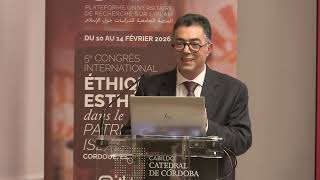
Opening address of the Cordoba congress
- Michel Younès
On Tuesday 10 February 2026 in Cordoba, Michel Younès, general coordinator of Pluriel and dean of the Faculty of Theology of the Catholic University of Lyon (UCLy), delivered the opening address of...

publication
Opening Up Space: Universalism as a Prophetic Task in Interreligious Responsibility
- Michaela Quast-Neulinger
In this article published in CIBEDO-Beiträge zum Gespräch zwischen Christen und Muslimen 1/2026 (pp. 2-8), Michaela Quast-Neulinger, Professor of Fundamental Theology at the University of Innsbruck...
publication
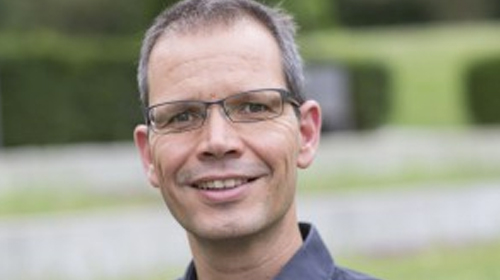
A Culture of Connectedness: The Complex Relations Between Christians and Muslims
- Tobias Specker
In this article published in the Jesuit journal Stimmen der Zeit 11/2025 (pp. 819-826), Tobias Specker offers a theological reflection on what he calls the “culture of connectedness” (K...
videos
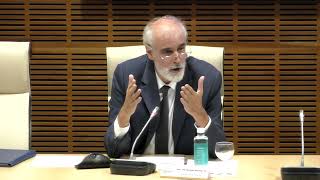
The Theological Foundations of Dialogue, by Julio L. Martínez
- Julio Martinez
On 2 October 2024, at the Universidad Pontificia Comillas (Madrid), Julio L. Martínez, s.j., professor of moral theology, delivered this lecture on the theological foundations of dialogue, as part ...
publication
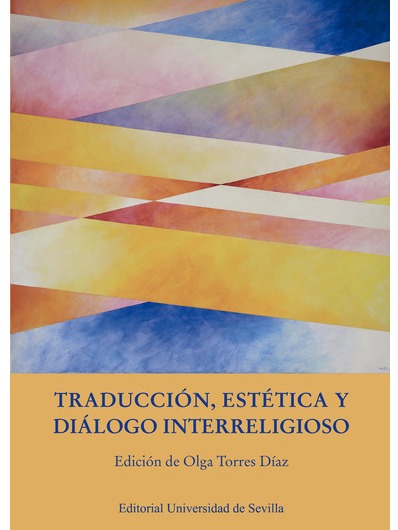
Translation, Aesthetics and Interreligious Dialogue
- Olga Torres Díaz
Published as Traducción, estética y diálogo interreligioso (Editorial Universidad de Sevilla, 2023), this edited volume, directed by Olga Torres Díaz (University of Seville, IXBILIA research group)...

publication
Religious Tolerance: A Vision for a New World
- Ziaka Angeliki
A volume edited by Sheikh Abdullah bin Mohammed Al Salmi and Angeliki Ziaka (Georg Olms Verlag, 2016), devoted to religious tolerance as the foundation of a more peaceful world order. It gathers co...

publication
Religion and Conflict: Essays on the Origins of Religious Conflicts and Resolution Approaches
- Ziaka Angeliki
A book co-edited by Angeliki Ziaka and Erik Eynikel (Harptree Publishing, London, 2011) that examines the origins of religiously framed conflicts and the paths towards their resolution. The collect...