
11 December 2026 to 12 December 2026
100 Years of PISAI: A Century Between Mission and Formation
On 11-12 December 2026, the Pontifical Urbaniana University in Rome hosts the international conference marking the centenary of PISAI (Pontifical Institute for Arabic and Islamic Studies). Under the title “For a future of excellence: one hundred years between mission and formation,” the event gathers around thirty Islamic scholars, theologians and actors of Christian-Muslim dialogue from Europe, the Middle East, Africa and Asia.
Founded in 1926 in Tunis by the Missionaries of Africa (White Fathers) and transferred to Rome in 1964, PISAI is the only pontifical institute specialising in Arabic language and Islamic studies. For a century, it has trained scholars, teachers and pastoral practitioners in the encounter between Christianity and Islam, in a perspective that is both academic and missionary.
The conference is organised in partnership with the Dicastery for Interreligious Dialogue, the Dicastery for Evangelisation, Georgetown University and the Mediterranean Chair (UCLy). It opens with greetings from Cardinal George Jacob Koovakad (Dicastery for Interreligious Dialogue) and Cardinal Luis Antonio Tagle (Dicastery for Evangelisation), and closes with a private audience with Pope Leo XIV at the Vatican.
Programme
Friday, 11 December 2026 — Aula Magna
- 9:00 a.m.: opening greetings (Fr. Stanley Lubungo, Cardinals Koovakad and Tagle, Prof. Wasim Salman, President of PISAI)
- 9:45 a.m.: inaugural lecture by Mgr. Indunil Janakaratne Kodithuwakku Kankanamalage (Dicastery for Interreligious Dialogue), “Dialogue from Nostra Aetate to today: the Dicastery for Interreligious Dialogue and PISAI”
- 11:00 a.m.: first session “Pillars of PISAI: Dialogue and Holiness” (chair: Dominique Avon), with Jean-Jacques Pérennès, Anselme Tarpaga, Christian Salenson, Livia Passalacqua
- 2:00 p.m.: second session “Pillars of PISAI: Dialogue and Academia” (chair: Augustin Sawadogo), with Rémi Caucanas, Florence Javel, Dirk Ansorge, Iwona Cholewinska
- 4:00 p.m.: third session “Contextual dialogue: Middle East and Mediterranean” (chair: Philippe Bordeyne), with Roland Dubertrand, Toby Matthiesen, Romain Louge
- 5:30 p.m.: fourth session “Contextual dialogue: Mission and challenges” (chair: Gaetano Sabetta), with Emmanuel Pisani, Adrien Sawadogo, Heru Prakosa
Saturday, 12 December 2026 — Aula Magna
- 9:00 a.m.: keynote address by Michel Younès, “Dialogue against the current: theological and Islamological requirements”
- 9:45 a.m.: fifth session “Disciplines and contents: Philosophy, Literature and Law” (chair: Laurent Basanese), with Amos Bertolacci, Dominique Avon, Gianluca Parolin
- 11:45 a.m.: sixth session “Disciplines and contents: Shi’ism and Sufism” (chair: Giuliano Savina), with Giancarlo Anello, Christopher Clohessy, Charbel Atallah
- 2:00 p.m.: seventh session “Methods, research and publications” (chair: Ambrogio Bongiovanni), with Wael Saleh, David Marshall, Tobias Specker, Nadjia Kebour, Matthieu Mbuta
- 4:30 p.m.: presentation of the PISAI journal Études Arabes by Celeste Intartaglia, roundtable with PISAI alumni
- Private audience with H.H. Pope Leo XIV at the Vatican
Speakers from the Pluriel network
Fourteen researchers affiliated with Pluriel take part in the conference, including Michel Younès (General Coordinator of Pluriel) as keynote speaker, and Wael Saleh (Scientific Committee) in the seventh session. Other members of the network who intervene or chair sessions include Dominique Avon, Rémi Caucanas, Emmanuel Pisani, Florence Javel, Gianluca Parolin, David Marshall, Jean-Jacques Pérennès, Romain Louge, Dirk Ansorge, Ambrogio Bongiovanni, Laurent Basanese and Tobias Specker.
Practical information
- Dates: 11 and 12 December 2026
- Venue: Pontifical Urbaniana University, Rome (Aula Magna)
- Format: international conference on site (one presentation online)
- Working languages: French, English, Italian
The initial call for papers (January 2026) remains available on the site: see the dedicated page.
Du 11 au 12 décembre 2026, l’Université pontificale Urbanienne, à Rome, accueille le colloque international marquant le centenaire du PISAI (Institut pontifical d’études arabes et d’islamologie). Sous le titre « Pour un avenir d’excellence : cent ans entre mission et formation », l’événement rassemble une trentaine d’islamologues, théologiens et acteurs du dialogue islamo-chrétien venus d’Europe, du Moyen-Orient, d’Afrique et d’Asie.
Fondé en 1926 à Tunis par les Missionnaires d’Afrique (Pères Blancs) et transféré à Rome en 1964, le PISAI est le seul institut pontifical spécialisé dans la langue arabe et les études islamiques. Il forme depuis un siècle des chercheurs, des enseignants et des acteurs pastoraux à la rencontre entre christianisme et islam, dans une perspective à la fois scientifique et missionnaire.
Le colloque est organisé en partenariat avec le Dicastère pour le dialogue interreligieux, le Dicastère pour l’évangélisation, l’Université Georgetown et la Chaire Méditerranée (UCLy). Il s’ouvre par les salutations du cardinal George Jacob Koovakad (Dicastère pour le dialogue interreligieux) et du cardinal Luis Antonio Tagle (Dicastère pour l’évangélisation), et se conclut par une audience privée avec le pape Léon XIV au Vatican.
Programme
Vendredi 11 décembre 2026 — Aula Magna
- 9h00 : allocutions d’ouverture (Père Stanley Lubungo, cardinaux Koovakad et Tagle, professeur Wasim Salman, président du PISAI)
- 9h45 : conférence inaugurale de Mgr Indunil Janakaratne Kodithuwakku Kankanamalage (Dicastère pour le dialogue interreligieux), « Le dialogue de Nostra Aetate à aujourd’hui : le Dicastère pour le dialogue interreligieux et le PISAI »
- 11h00 : première session « Piliers du PISAI : dialogue et sainteté » (présidence Dominique Avon), avec Jean-Jacques Pérennès, Anselme Tarpaga, Christian Salenson, Livia Passalacqua
- 14h00 : deuxième session « Piliers du PISAI : dialogue et académie » (présidence Augustin Sawadogo), avec Rémi Caucanas, Florence Javel, Dirk Ansorge, Iwona Cholewinska
- 16h00 : troisième session « Dialogue contextuel : Moyen-Orient et Méditerranée » (présidence Philippe Bordeyne), avec Roland Dubertrand, Toby Matthiesen, Romain Louge
- 17h30 : quatrième session « Dialogue contextuel : mission et défis » (présidence Gaetano Sabetta), avec Emmanuel Pisani, Adrien Sawadogo, Heru Prakosa
Samedi 12 décembre 2026 — Aula Magna
- 9h00 : intervention principale de Michel Younès, « Dialoguer à contre-courant : les exigences théologiques et islamologiques »
- 9h45 : cinquième session « Disciplines et contenus : philosophie, littérature et droit » (présidence Laurent Basanese), avec Amos Bertolacci, Dominique Avon, Gianluca Parolin
- 11h45 : sixième session « Disciplines et contenus : chiisme et soufisme » (présidence Giuliano Savina), avec Giancarlo Anello, Christopher Clohessy, Charbel Atallah
- 14h00 : septième session « Méthodes, recherche et publications » (présidence Ambrogio Bongiovanni), avec Wael Saleh, David Marshall, Tobias Specker, Nadjia Kebour, Matthieu Mbuta
- 16h30 : présentation de la revue Études Arabes du PISAI par Celeste Intartaglia, table ronde avec les alumni
- Audience privée avec Sa Sainteté le pape Léon XIV au Vatican
Intervenants membres de Pluriel
Quatorze chercheurs affiliés à Pluriel prennent part au colloque, dont Michel Younès (coordinateur général de Pluriel) en intervention principale, et Wael Saleh (comité scientifique) en septième session. Les autres membres du réseau qui interviennent ou président des sessions sont Dominique Avon, Rémi Caucanas, Emmanuel Pisani, Florence Javel, Gianluca Parolin, David Marshall, Jean-Jacques Pérennès, Romain Louge, Dirk Ansorge, Ambrogio Bongiovanni, Laurent Basanese et Tobias Specker.
Informations pratiques
- Dates : 11 et 12 décembre 2026
- Lieu : Université pontificale Urbanienne, Rome (Aula Magna)
- Format : colloque international en présentiel (une intervention en ligne)
- Langues de travail : français, anglais, italien
L’appel à communications initial (janvier 2026) reste consultable sur le site : voir la page dédiée.
يومَي 11 و12 كانون الأوّل/ديسمبر 2026، تحتضن الجامعة البابوية الأوربانيّة في روما مؤتمرًا دوليًّا يحيي مئوية المعهد البابوي للدراسات العربية والدراسات الإسلامية (PISAI). ينعقد المؤتمر تحت عنوان « من أجل مستقبل من الامتياز: مئة عام بين الرسالة والتكوين »، ويلتقي فيه نحو ثلاثين من الباحثين في الدراسات الإسلامية واللاهوتيّين وفاعلي الحوار الإسلامي-المسيحي، قادمين من أوروبا والشرق الأوسط وأفريقيا وآسيا.
تأسّس المعهد سنة 1926 في تونس على يد المرسلين الأفارقة (الآباء البيض)، ثم انتقل إلى روما سنة 1964. وهو المعهد البابوي الوحيد المتخصّص في اللغة العربية والدراسات الإسلامية. يُكوِّن منذ قرن من الزمان باحثين ومعلّمين وفاعلين رعويّين على لقاء المسيحية والإسلام، في منظور يجمع بين البحث العلمي والبُعد الرسالي.
يُنظَّم المؤتمر بالشراكة مع دائرة الحوار بين الأديان، ودائرة البشارة بالإنجيل، وجامعة جورجتاون، وكرسي المتوسط في الجامعة الكاثوليكية بليون. يُفتَتَح بكلمات ترحيبية للكاردينال جورج جاكوب كوفاكاد (دائرة الحوار بين الأديان) والكاردينال لويس أنطونيو تاغلي (دائرة البشارة بالإنجيل)، ويُختَتَم بلقاء خاصّ مع البابا لاون الرابع عشر في الفاتيكان.
البرنامج
الجمعة 11 كانون الأوّل/ديسمبر 2026 — القاعة الكبرى
- 9:00: كلمات الافتتاح (الأب ستانلي لوبونغو، والكاردينالان كوفاكاد وتاغلي، والأستاذ وسيم سلمان رئيس المعهد).
- 9:45: المحاضرة الافتتاحية للمونسنيور إندونيل جاناكاراتني كوديتوواكّو كانكاناماله (دائرة الحوار بين الأديان) بعنوان: « الحوار من “في عصرنا” (Nostra Aetate) إلى اليوم: دائرة الحوار بين الأديان والمعهد البابوي ».
- 11:00: الجلسة الأولى « ركائز المعهد: الحوار والقداسة » (يُديرها دومينيك أفون)، بمشاركة جان-جاك بيرين وأنسلم تارباغا وكريستيان سالنسون وليفيا باسّالاكوا.
- 14:00: الجلسة الثانية « ركائز المعهد: الحوار والأكاديميا » (يُديرها أوغسطين ساوادوغو)، بمشاركة ريمي كوكاناس وفلورنس جافيل وديرك أنسورج وإيوونا شوليوينسكا.
- 16:00: الجلسة الثالثة « الحوار السياقي: الشرق الأوسط والمتوسّط » (يُديرها المونسنيور فيليب بوردين)، بمشاركة رولان دوبرتران وتوبي ماتيسِن ورومان لوج.
- 17:30: الجلسة الرابعة « الحوار السياقي: الرسالة والتحدّيات » (يُديرها غايتانو سابيتّا)، بمشاركة إيمانويل بيزاني وأدريان ساوادوغو وهيرو براكوسا.
السبت 12 كانون الأوّل/ديسمبر 2026 — القاعة الكبرى
- 9:00: الكلمة الرئيسية لـميشيل يونس: « الحوار ضدّ التيّار: المتطلّبات اللاهوتية والإسلاميات ».
- 9:45: الجلسة الخامسة « الحقول والمضامين: الفلسفة والأدب والقانون » (يُديرها لوران بازانيز)، بمشاركة آموس برتولاتشي ودومينيك أفون وجيانلوكا باروليني.
- 11:45: الجلسة السادسة « الحقول والمضامين: التشيّع والتصوّف » (يُديرها الأب جوليانو سافينا)، بمشاركة جيانكارلو أنيلّو وكريستوفر كلوهيسي وشربل عطالله.
- 14:00: الجلسة السابعة « المناهج والبحث والمنشورات » (يُديرها أمبروجيو بونجيوفاني)، بمشاركة وائل صالح وديفيد مارشال وتوبياس شبكر ونادية كبّور ومتّيو مبوتا.
- 16:30: تقديم مجلّة المعهد البابوي « Études Arabes » على يد سيليست إنتارتاليا، ومائدة مستديرة مع خرّيجي المعهد.
- مقابلة خاصّة مع قداسة البابا لاون الرابع عشر في الفاتيكان.
المتحدّثون من أعضاء المنصة
يشارك في المؤتمر أربعة عشر باحثًا من أعضاء المنصة، على رأسهم ميشيل يونس (المنسّق العام للمنصة) في الكلمة الرئيسية، ووائل صالح (اللجنة العلمية) في الجلسة السابعة. ومن أعضاء الشبكة الآخرين المتدخّلين أو رؤساء الجلسات: دومينيك أفون، وريمي كوكاناس، وإيمانويل بيزاني، وفلورنس جافيل، وجيانلوكا باروليني، وديفيد مارشال، وجان-جاك بيرين، ورومان لوج، وديرك أنسورج، وأمبروجيو بونجيوفاني، ولوران بازانيز، وتوبياس شبكر.
معلومات عملية
- التاريخ: 11 و12 كانون الأوّل/ديسمبر 2026.
- المكان: الجامعة البابوية الأوربانيّة، روما (القاعة الكبرى).
- الصيغة: مؤتمر دولي حضوري (مع مداخلة واحدة عن بُعد).
- لغات العمل: الفرنسية والإنجليزية والإيطالية.
لا تزال الدعوة الأولى إلى تقديم المداخلات (كانون الثاني/يناير 2026) متاحة على الموقع: انظر الصفحة المخصّصة.


Resources related to Muslim-Christian Dialogue
publication
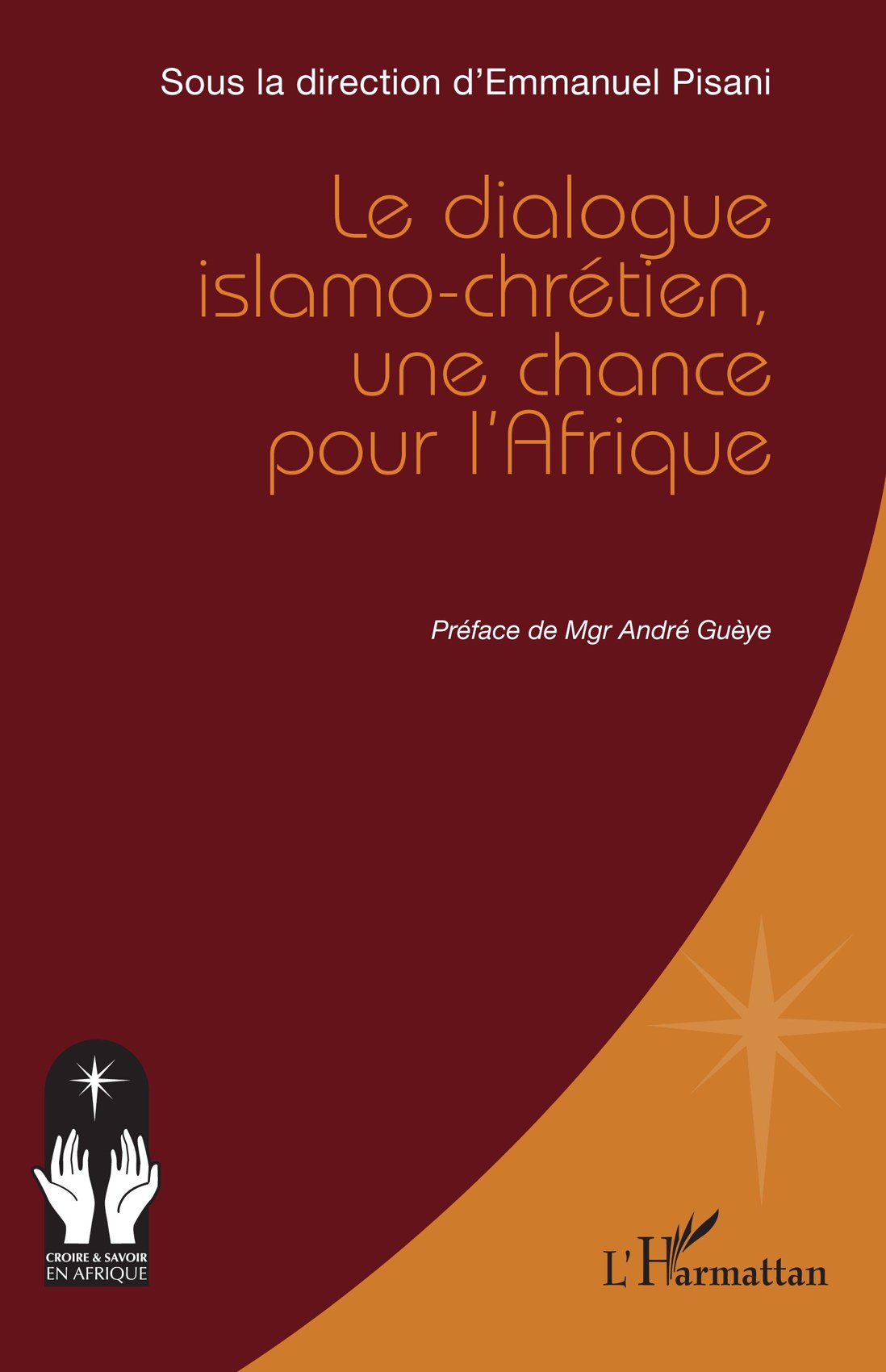
Christian-Muslim Dialogue, an Opportunity for Africa
- Emmanuel Pisani
At a time when sub-Saharan Africa is undergoing profound socio-political change and the rise of religious radicalism, Christian-Muslim dialogue emerges as an essential requirement and a condition f...

article
Islamic Visions of Jesus: Revelation, Prophecy, and Eschatology
- Antonio Cuciniello
Abstract Published in the collective volume Jerusalem in Memory and Eschatology: Jewish, Christian, and Muslim Visions of the Past and Future of Jerusalem, edited by Emma O'Donnell Polyakov (Blo...

article
Questions on Islamic Soteriology in Early Islam
- Jaume Flaquer Garcia
Abstract Published under the original title "Cuestiones sobre la soteriología islámica en el islam primitivo" in the collective volume Riesgos y fidelidades. Miradas teológicas para un mundo plu...

article
The Uncreated Muslim Qur’an and the Eternally Begotten Christian Logos
- Jaume Flaquer Garcia
Abstract Published under the original title "El Corán musulmán increado y el Logos cristiano eternamente engendrado" in the monographic section Logos, Agape, Sarx. Una dialógica cristiana of iss...

article
The First Council of Nicaea (325) and the Christian-Muslim Dialogue on God’s Unity and Trinity
- Dirk Ansorge
Abstract Published under the original title "Das erste Konzil von Nizäa (325) und der christlich-muslimische Dialog über Gottes Einheit und Dreifaltigkeit" in issue 2/2025 of CIBEDO-Beiträge, th...
article
Christian-Muslim Relations Today: Some Reflections
- David Marshall
Abstract Published as "Christian-Muslim Relations Today: Some Reflections" in a special issue of The Muslim World marking the 50th anniversary of the Duncan Black Macdonald Center (Hartford), th...
article
Ḥaydar Ibrāhīm ʿAlī, a Thinker on Multiple Fronts
- Guy-Raymond Sarkis
Abstract Ḥaydar Ibrāhīm ʿAlī, a Sudanese sociologist of religion, is a committed intellectual whose writings both arise from and respond to the challenges of his society. He calls for a liberati...

article
Literary, Semiotic and Hermeneutical Approaches to the Qur’an in the Modern Period
- Wasim Salman
Abstract In this contribution to issue 51 (Mélanges) of the journal Islamochristiana, published in Italian as Approcci letterari, semiotici ed ermeneutici al Corano nel periodo moderno, Wasim Sa...