
2 December 2026
Diversity and Citizenship: Cross-Perspectives from around the Mediterranean
On Wednesday, 2 December 2026, the Pluriel network holds a study day devoted to the ways in which citizenship and diversity are addressed in the Mediterranean context. Directed by Michel Younès and Ali Mostfa (Catholic University of Lyon, UCLy), the day brings together scholars from the three shores of the Mediterranean to examine how constitutions, school textbooks, and recent political recompositions construct, or weaken, the articulation between national belonging, religious pluralism, and the recognition of minorities.
Programme
- 8:30 a.m.: welcome.
- 8:45 a.m.: opening address.
9:00 a.m. – 10:30 a.m., Panel 1: Cross-perspectives on the Maghreb
What representations of citizenship and diversity (cultural, linguistic, religious) do the constitutions and school textbooks of the Maghreb countries construct? How do these official representations engage, or come into tension, with the identities and belongings experienced day to day by their populations?
- Morocco: Ali Mostfa (20 min);
- Algeria: Aziadé Zemirli (20 min);
- Tunisia: Raja Sakrani (20 min);
- discussion with the audience (30 min).
11:00 a.m. – 12:30 p.m., Panel 2: Cross-perspectives on the Middle East
How does communal and confessional belonging articulate with the principle of equal rights within the political systems of the Middle East? What rebalancings, or tensions, between individual citizenship and communal logics have recent transformations (conflicts, contestations, geopolitical recompositions) brought to light?
- Egypt: Wael Saleh (20 min);
- Lebanon: André Daher (20 min);
- Jordan: Renée Hattar (20 min);
- discussion with the audience (30 min).
- 12:30 p.m. – 1:30 p.m.: lunch.
2:00 p.m. – 3:30 p.m., Panel 3: Cross-perspectives on the European Shore of the Mediterranean
Faced with the lasting establishment of religious pluralism driven by migratory dynamics, which models of recognition (secularism, multiculturalism, concordats) do Mediterranean European societies draw upon? How do these models for regulating diversity compare, and how do they differ from one country to another?
- Spain: Jaume Flaquer (20 min);
- France: Dominique Avon (20 min);
- Italy: Alessandro Ferrari (20 min);
- discussion with the audience (30 min).
3:30 p.m. – 4:00 p.m., Concluding reflections
Are there specifically Mediterranean models for managing religious and cultural plurality? How can we think the articulation between citizenship, plurality of belongings, and social cohesion? What developments can be observed across the various Mediterranean regions in the face of the contemporary challenges of mobility, globalisation, and the recomposition of collective identities?
Practical information
- Date: Wednesday, 2 December 2026, 8:30 a.m. to 4:00 p.m.;
- Venue: Catholic University of Lyon, Saint-Paul campus, Building C, 4th floor, Room C402, 10 place des Archives, 69002 Lyon;
- Fee: €5 for external attendees; free for students; optional €20 for lunch;
- Online registration: HelloAsso;
- Contact: pluriel@univ-catholyon.fr, +33 4 72 32 50 52;
- Scientific direction: Michel Younès and Ali Mostfa (UCLy, Pluriel);
- Organisation: the Pluriel network (University Platform for Studies on Islam), in partnership with the CECR (Centre for the Study of Cultures and Religions, UCLy).
Le mercredi 2 décembre 2026, le réseau Pluriel organise une journée d’étude consacrée aux manières d’aborder la citoyenneté et la diversité en contexte méditerranéen. Sous la direction de Michel Younès et de Ali Mostfa (Université catholique de Lyon, UCLy), la journée croise les regards de chercheurs venus des trois rives de la Méditerranée pour interroger la manière dont les constitutions, les manuels scolaires et les recompositions politiques récentes construisent, ou fragilisent, l’articulation entre appartenance nationale, pluralisme religieux et reconnaissance des minorités.
Programme
- 8h30 : accueil.
- 8h45 : mot d’accueil.
9h00-10h30, Panel 1 : Regards croisés autour du Maghreb
Quelles représentations de la citoyenneté et de la diversité (culturelle, linguistique, religieuse) les constitutions et les manuels scolaires construisent-ils dans les pays du Maghreb ? Comment ces représentations officielles dialoguent-elles, ou entrent-elles en tension, avec les identités et appartenances vécues au quotidien par les populations ?
- Maroc : Ali Mostfa (20 min) ;
- Algérie : Aziadé Zemirli (20 min) ;
- Tunisie : Raja Sakrani (20 min) ;
- échanges avec la salle (30 min).
11h00-12h30, Panel 2 : Regards croisés autour du Moyen-Orient
Comment l’appartenance communautaire et confessionnelle s’articule-t-elle avec le principe d’égalité des droits dans les systèmes politiques du Moyen-Orient ? Quels rééquilibrages ou tensions entre citoyenneté individuelle et logiques communautaires les transformations récentes (conflits, contestations, recompositions géopolitiques) font-elles apparaître ?
- Égypte : Wael Saleh (20 min) ;
- Liban : André Daher (20 min) ;
- Jordanie : Renée Hattar (20 min) ;
- échanges avec la salle (30 min).
- 12h30-13h30 : déjeuner.
14h00-15h30, Panel 3 : Regards croisés autour de la rive européenne de la Méditerranée
Face à l’installation durable du pluralisme religieux liée aux dynamiques migratoires, quels modèles de reconnaissance (laïcité, multiculturalisme, concordats) les sociétés européennes méditerranéennes mobilisent-elles ? Comment ces modèles de régulation de la diversité se comparent-ils et se distinguent-ils d’un pays à l’autre ?
- Espagne : Jaume Flaquer (20 min) ;
- France : Dominique Avon (20 min) ;
- Italie : Alessandro Ferrari (20 min) ;
- échanges avec la salle (30 min).
15h30-16h00, Réflexions conclusives
Existe-t-il des modèles méditerranéens de gestion de la pluralité religieuse et culturelle ? Comment penser l’articulation entre citoyenneté, pluralité des appartenances et cohésion sociale ? Quelles évolutions observe-t-on dans les différentes régions méditerranéennes face aux défis contemporains de la mobilité, de la mondialisation et de la recomposition des identités collectives ?
Informations pratiques
- Date : mercredi 2 décembre 2026, 8h30-16h00 ;
- Lieu : Université catholique de Lyon, campus Saint-Paul, bâtiment C, 4e étage, amphi C402, 10 place des Archives, 69002 Lyon ;
- Prix : 5 € extérieurs ; gratuit pour étudiants ; option : 20 € pour le repas ;
- Inscription en ligne : HelloAsso ;
- Contact : pluriel@univ-catholyon.fr, +33 4 72 32 50 52 ;
- Direction scientifique : Michel Younès et Ali Mostfa (UCLy, Pluriel) ;
- Organisation : réseau Pluriel (Plateforme universitaire d’études sur l’islam), en partenariat avec le CECR (Centre d’études des cultures et des religions, UCLy).
Le mercredi 2 décembre 2026, le réseau Pluriel organise une journée d’étude consacrée aux manières d’aborder la citoyenneté et la diversité en contexte méditerranéen. Sous la direction de Michel Younès et de Ali Mostfa (Université catholique de Lyon, UCLy), la journée croise les regards de chercheurs venus des trois rives de la Méditerranée pour interroger la manière dont les constitutions, les manuels scolaires et les recompositions politiques récentes construisent, ou fragilisent, l’articulation entre appartenance nationale, pluralisme religieux et reconnaissance des minorités.
Programme
- 8h30 : accueil.
- 8h45 : mot d’accueil.
9h00-10h30, Panel 1 : Regards croisés autour du Maghreb
Quelles représentations de la citoyenneté et de la diversité (culturelle, linguistique, religieuse) les constitutions et les manuels scolaires construisent-ils dans les pays du Maghreb ? Comment ces représentations officielles dialoguent-elles, ou entrent-elles en tension, avec les identités et appartenances vécues au quotidien par les populations ?
- Maroc : Ali Mostfa (20 min) ;
- Algérie : Aziadé Zemirli (20 min) ;
- Tunisie : Raja Sakrani (20 min) ;
- échanges avec la salle (30 min).
11h00-12h30, Panel 2 : Regards croisés autour du Moyen-Orient
Comment l’appartenance communautaire et confessionnelle s’articule-t-elle avec le principe d’égalité des droits dans les systèmes politiques du Moyen-Orient ? Quels rééquilibrages ou tensions entre citoyenneté individuelle et logiques communautaires les transformations récentes (conflits, contestations, recompositions géopolitiques) font-elles apparaître ?
- Égypte : Wael Saleh (20 min) ;
- Liban : André Daher (20 min) ;
- Jordanie : Renée Hattar (20 min) ;
- échanges avec la salle (30 min).
- 12h30-13h30 : déjeuner.
14h00-15h30, Panel 3 : Regards croisés autour de la rive européenne de la Méditerranée
Face à l’installation durable du pluralisme religieux liée aux dynamiques migratoires, quels modèles de reconnaissance (laïcité, multiculturalisme, concordats) les sociétés européennes méditerranéennes mobilisent-elles ? Comment ces modèles de régulation de la diversité se comparent-ils et se distinguent-ils d’un pays à l’autre ?
- Espagne : Jaume Flaquer (20 min) ;
- France : Dominique Avon (20 min) ;
- Italie : Alessandro Ferrari (20 min) ;
- échanges avec la salle (30 min).
15h30-16h00, Réflexions conclusives
Existe-t-il des modèles méditerranéens de gestion de la pluralité religieuse et culturelle ? Comment penser l’articulation entre citoyenneté, pluralité des appartenances et cohésion sociale ? Quelles évolutions observe-t-on dans les différentes régions méditerranéennes face aux défis contemporains de la mobilité, de la mondialisation et de la recomposition des identités collectives ?
Informations pratiques
- Date : mercredi 2 décembre 2026, 8h30-16h00 ;
- Lieu : Université catholique de Lyon, campus Saint-Paul, bâtiment C, 4e étage, amphi C402, 10 place des Archives, 69002 Lyon ;
- Prix : 5 € extérieurs ; gratuit pour étudiants ; option : 20 € pour le repas ;
- Inscription en ligne : HelloAsso ;
- Contact : pluriel@univ-catholyon.fr, +33 4 72 32 50 52 ;
- Direction scientifique : Michel Younès et Ali Mostfa (UCLy, Pluriel) ;
- Organisation : réseau Pluriel (Plateforme universitaire d’études sur l’islam), en partenariat avec le CECR (Centre d’études des cultures et des religions, UCLy).


Resources related to Citizenship
article
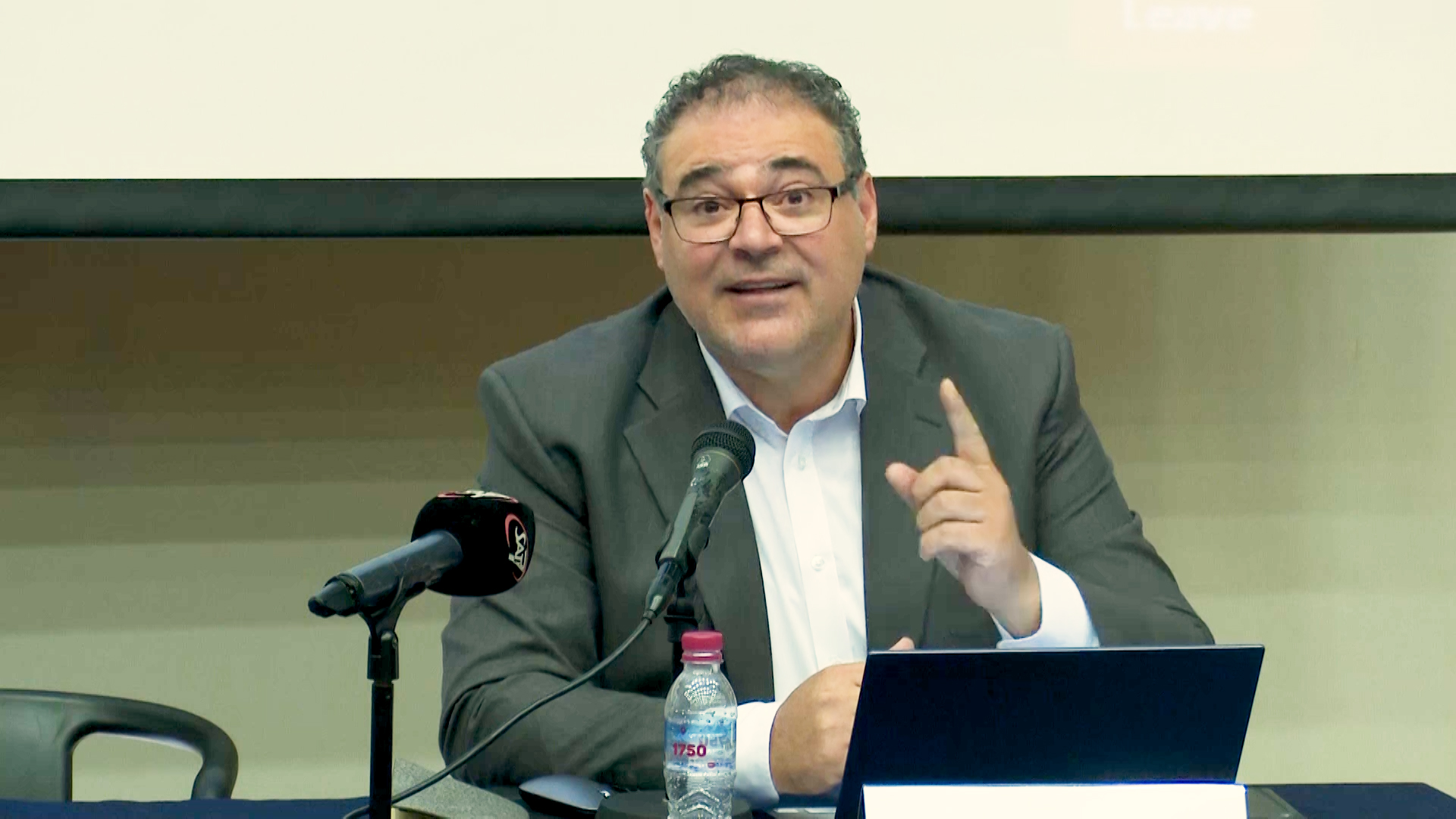
Wael Saleh: “Recognising Without Confining, to Better ‘De-other’ the Public Debate”
- Wael Saleh
In an op-ed published on 20 July 2026 by Le Devoir, Wael Saleh, a member of the scientific committee of Pluriel, puts forward a new concept for contemporary democratic debate: "de-othering" (in Fre...
article
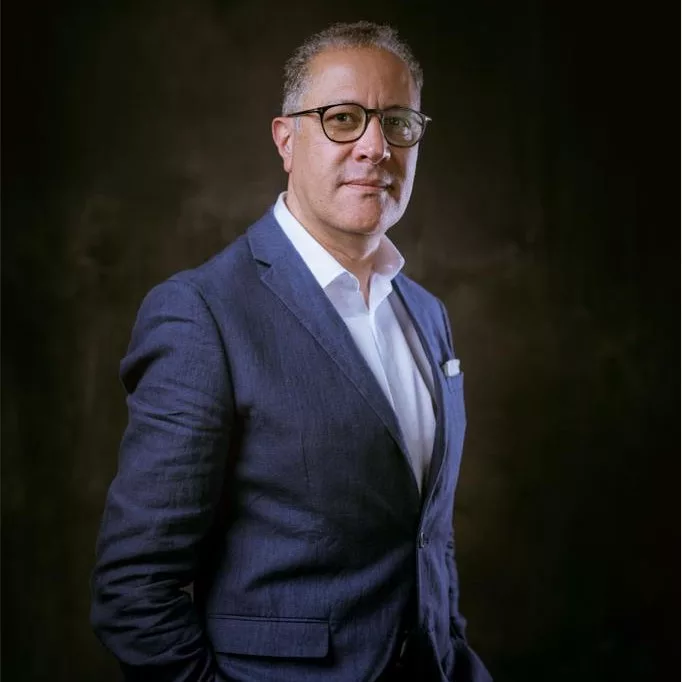
Muslim worship in France: is the State-led reorganization underway?
- Mohamed-Ali Mostfa
In this article published on February 26, 2025, on The Conversation, Ali Mostfa analyzes the evolution of the Forum of Islam in France (Forif), created in 2022 to replace the French Council of Musl...

videos
Islam in Europe or European Islam?
In this conference given on January 30, 2025, at PISAI (Pontifical Institute for Arabic and Islamic Studies) in Rome, political scientist Olivier Roy offers an in-depth analysis of the Muslim prese...
publication
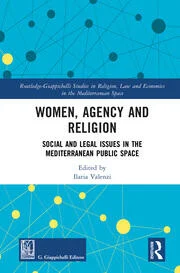
Women, Agency and Religion: Social and Legal Issues in the Mediterranean Public Space
- Leïla Tauil
On the two Mediterranean shores, women’s agency is articulated by new social and legal actors who face the religious factor both as an asset and as a hindrance. This book explores how female ...
article
The Abu Dhabi Document: A Potential Cornerstone for Islamic-Christian Dialogue in Italian Educational Contexts
- Antonio Cuciniello
In Italy, the migratory phenomenon has also had an impact on the school system, becoming an interesting potential field for intercultural and inter-religious encounters. As regards, for instance, t...

videos
Christian Thought, Muslim Thought and Societal Issues: Launch of the “Theologies in Dialogue” Chair
- Mohammad Ali Amir-Moezzi
- Michel Younès
On Wednesday, September 25, 2024, this inaugural conference presents a new chair entitled "Theologies in Dialogue" at the Faculty of Theology of the Catholic University of Lyon. The speakers, Miche...

videos
Cosmopolitanism and minority rights: going beyond the protection of ethnoreligious minorities in the Middle East
- Hélène Rey
This communication challenges traditional approaches to ethnoreligious diversity in the Middle East, arguing that the focus on "protecting minority rights" is inadequate. It demonstrates how these ...
videos
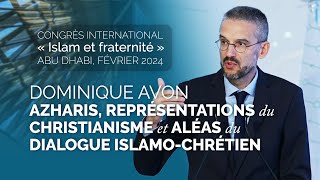
Azharis, Representations of Christianity, and the Vagaries of Islamic-Christian Dialogue (1930s-2020s)
- Dominique Avon
Dominique Avon, Director of Studies at the École pratique des hautes études, traces the evolution of the discourse of the ulama of al-Azhar on Christianity since the 1930s. Confronted with the colo...