
Publisher : Verlag Friedrich Pustet -

German


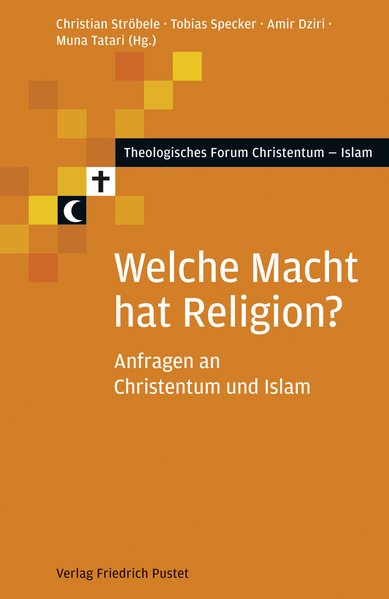
What power does religion have? Questions for Christianity and Islam
Das Thema „Religion und Macht“ ist umfangreicher als die Frage nach dem Verhältnis der Religion zum Staat und zu demokratischen Strukturen. Im Namen Gottes wird in menschliches Leben eingegriffen, wird soziale Kontrolle ausgeübt und religiöse Autorität etabliert. Doch in religiösen Vollzügen werden Menschen auch ermächtigt, ihre Erfahrungen und Perspektiven zu Wort zu bringen und um Anerkennung zu ringen. Vor diesem Hintergrund fragen die Autorinnen und Autoren nach Kriterien zur Beurteilung von Machtausübung, nach Machtmissbrauch, nach legitimatorischen Strategien und kritischen Ressourcen aus den theologischen Traditionen, nach dem Zusammenhang zwischen theologischen Konzeptionen und dem Verhältnis zur Macht u. v. m.
La question de la religion et du pouvoir est plus vaste que la question des relations de la religion avec l’État et les structures démocratiques. Au nom de Dieu, on intervient dans la vie humaine, on exerce un contrôle social et l’on établit une autorité religieuse. Mais dans les pratiques religieuses, les gens sont également autorisés à exprimer leur expérience et leurs perspectives et à se faire reconnaître. Dans ce contexte, les auteurs interrogent des critères pour évaluer l’exercice du pouvoir, les abus de pouvoir, les stratégies de légitimation et les ressources critiques des traditions théologiques, la relation entre les conceptions théologiques et la relation avec le pouvoir.
إنّ مسألةَ ارتباط الدين بالسلطة أوسع نطاقاً من العلاقة بين الدين والدولة والهيكليات الديمقراطية. فتراهم يتدخّلون باسم الرب في حياة البشر ويمارسون سيطرة اجتماعية ويفرضون سلطة دينية. إلّا أنّ الممارسات الدينيّة تسمح للأفراد أيضاً بأن يعبّروا عن خبراتهم ووجهات نظرهم ويتعرّفوا إلى ذواتهم. في هذا السياق، يتفحّص المؤلّفون بعض المعايير لتقييم ممارسة السلطة وإساءة استخدامها واستراتيجيات إضفاء الشرعية عليها والموارد الجوهرية الحرجة الخاصة بالتقاليد اللاهوتية والعلاقة التي تربط المفاهيم اللاهوتية فيما بينها والعلاقة بالسلطة.
Das Thema „Religion und Macht“ ist umfangreicher als die Frage nach dem Verhältnis der Religion zum Staat und zu demokratischen Strukturen. Im Namen Gottes wird in menschliches Leben eingegriffen, wird soziale Kontrolle ausgeübt und religiöse Autorität etabliert. Doch in religiösen Vollzügen werden Menschen auch ermächtigt, ihre Erfahrungen und Perspektiven zu Wort zu bringen und um Anerkennung zu ringen. Vor diesem Hintergrund fragen die Autorinnen und Autoren nach Kriterien zur Beurteilung von Machtausübung, nach Machtmissbrauch, nach legitimatorischen Strategien und kritischen Ressourcen aus den theologischen Traditionen, nach dem Zusammenhang zwischen theologischen Konzeptionen und dem Verhältnis zur Macht u. v. m.


 publisher's website
Resources of this researcher
publication
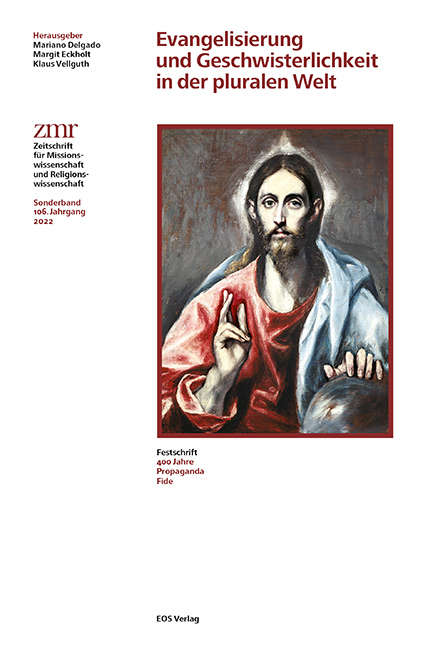
Not without others: recognition of others and unity in Christ – on the relationship between mission and dialogue
Article published in the missiology journal ZMR 106 (2022/1-4), double issue: “Evangelisation and Fraternity in the Plural World

videos
‘Inimitable’ Koran ?
Interview with Pr. Tobias Specker, professor of Catholic Theology in the light of Islam at Sankt Georgen Graduate school of Philosophy and Theology, Frankfurt, Germany, about his book : Gottes Wort...
publication
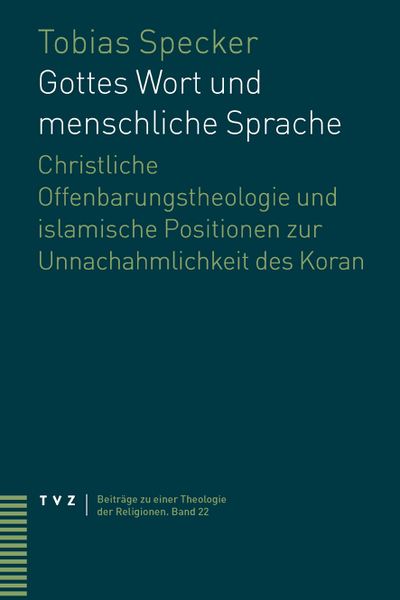
God’s Word and Human Language Christian theology of revelation and Islamic positions on the inimitability of the Koran
God’s Word is at the centre of both the Christian and Islamic faiths. Revelation and language are thus closely related in both religions. Tobias Specker brings Islamic and Christian theology,...

videos
The Question of Otherness in Classical Islam | Respondents
Following the lecture: "The question of Otherness in Classical Islam" given by Raja SAKRANI, three members of the scientific committee of the PLURIEL network give answers according to the three axe...
publication
What power does religion have? Questions for Christianity and Islam
Das Thema „Religion und Macht“ ist umfangreicher als die Frage nach dem Verhältnis der Religion zum Staat und zu demokratischen Strukturen. Im Namen Gottes wird in menschliches Leben eingegriffen, ...
publication
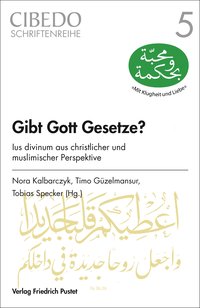
Is God a Lawgiver? Christian and Muslim Perspectives on Ius divinum
Law that invokes divine appointment or other religious justifications is repeatedly the focus of general attention in Germany. Beyond the concrete religious legal provisions, there is a reflection ...
publication
Is God a lawgiver? Christian and Muslim perspectives on Ius divinum
videos
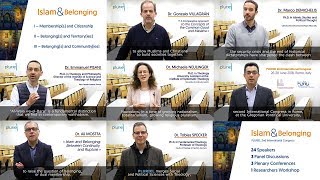
Presentation of the congress “Islam and Belonging” of PLURIEL
With the voices of members of the Scientific Comittee
Resources related to Political Sciences
article
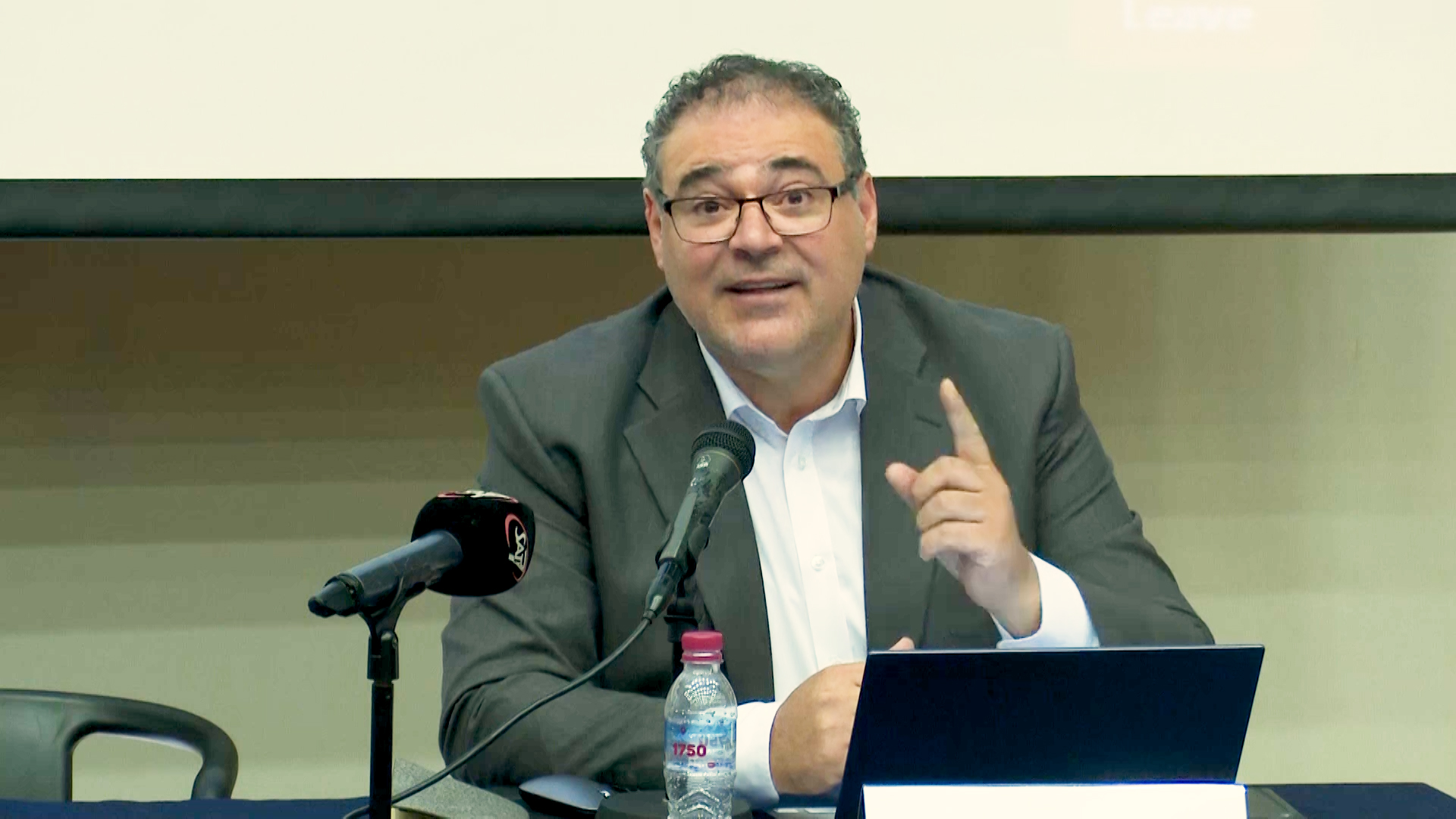
Wael Saleh: “Recognising Without Confining, to Better ‘De-other’ the Public Debate”
- Wael Saleh
In an op-ed published on 20 July 2026 by Le Devoir, Wael Saleh, a member of the scientific committee of Pluriel, puts forward a new concept for contemporary democratic debate: "de-othering" (in Fre...
publication
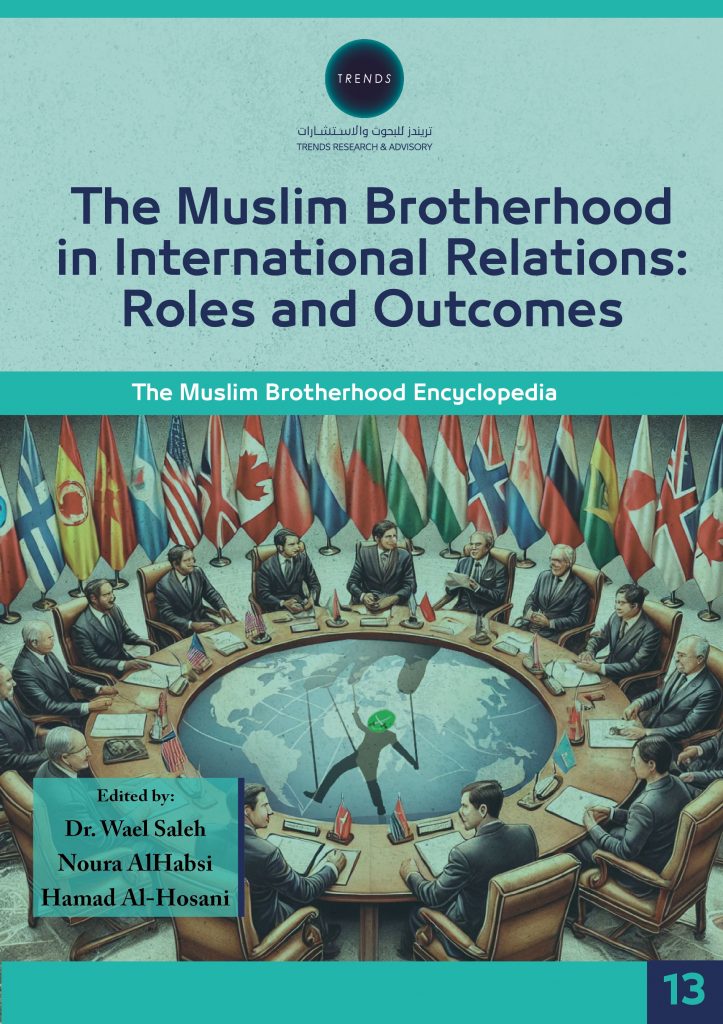
The Muslim Brotherhood in International Relations: Roles and Outcomes
- Wael Saleh
In this book published by TRENDS Research & Advisory (Abu Dhabi, May 2026), Wael Saleh, a member of Pluriel‘s coordination committee, examines the place and modes of action of the Muslim ...
videos
Interreligious Dialogue and Ethnic Nationalisms in the Balkans
At the invitation of PISAI (Pontifical Institute for Arabic and Islamic Studies, Rome) and Georgetown University, Ahmet Alibašić, professor of Islamic civilization at the Faculty of Islamic Studies...
publication
Managing Religious Diversity in Italy: Law, Policy, and Practice in a Pluralist Era
- Alessandro Ferrari
In this article published in the journal Religions 17/3 (2026), Alessandro Ferrari offers a comprehensive analysis of Italy’s regime for governing religious diversity, at the intersection of ...
publication
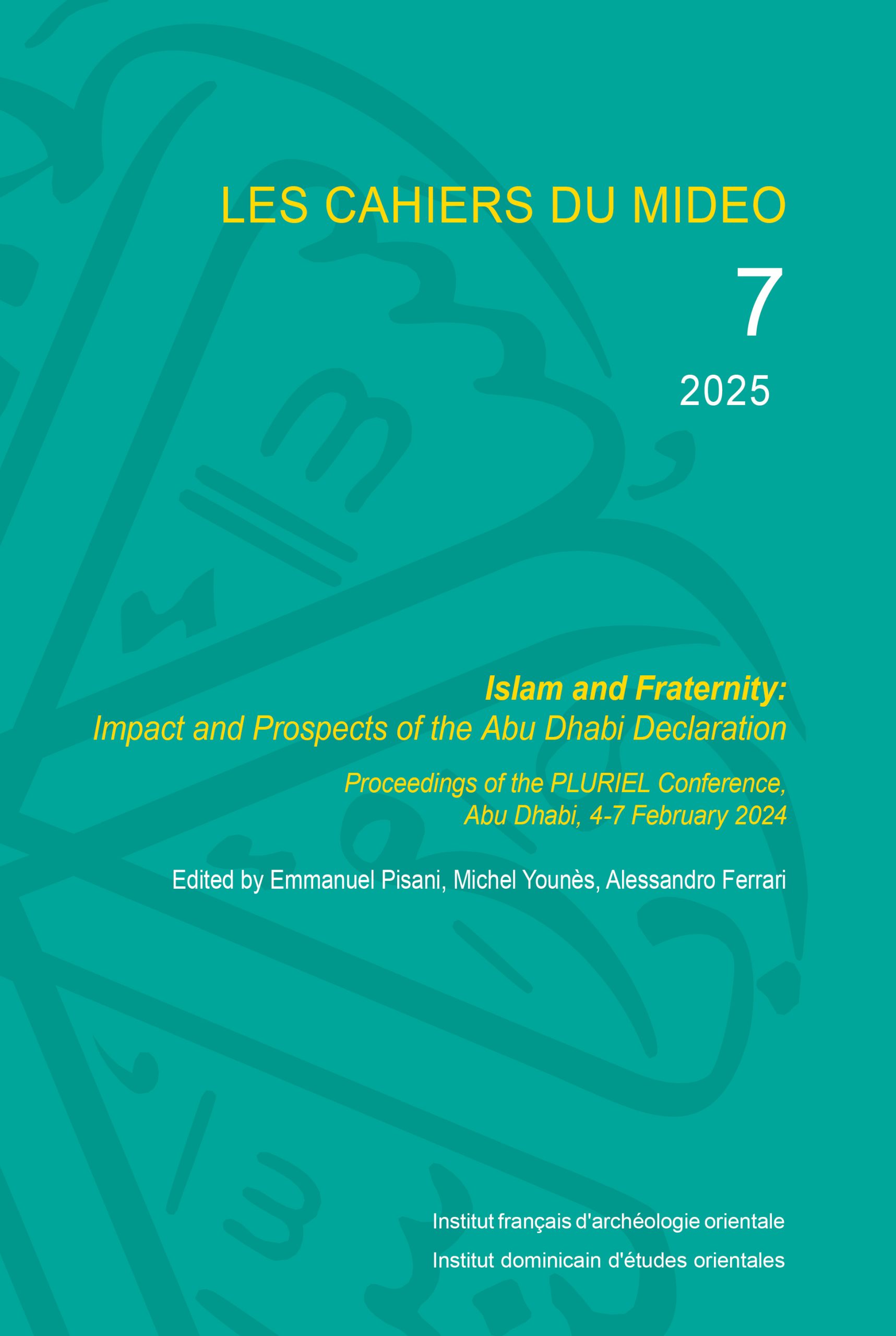
Islam and Fraternity: Impact and Prospects of the Abu Dhabi Declaration
The volume dedicated to the conference “Islam and Fraternity”, held in Abu Dhabi from February 4 to 7, 2024, under the auspices of the PLURIEL network, in partnership with Trends, a research center...
publication
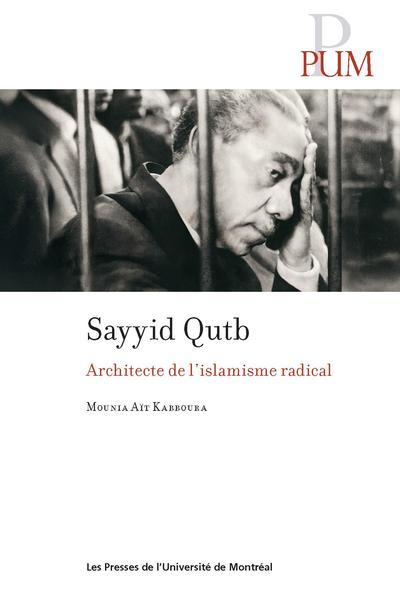
Sayyid Qutb. Architect of Radical Islamism
- Mounia Ait Kabboura
The thought of Sayyid Qutb (1906–1966) has profoundly shaped a wide range of religio-political movements, from the Muslim Brotherhood to Salafi-jihadists, radicalizing political Islam and inspiring...
publication
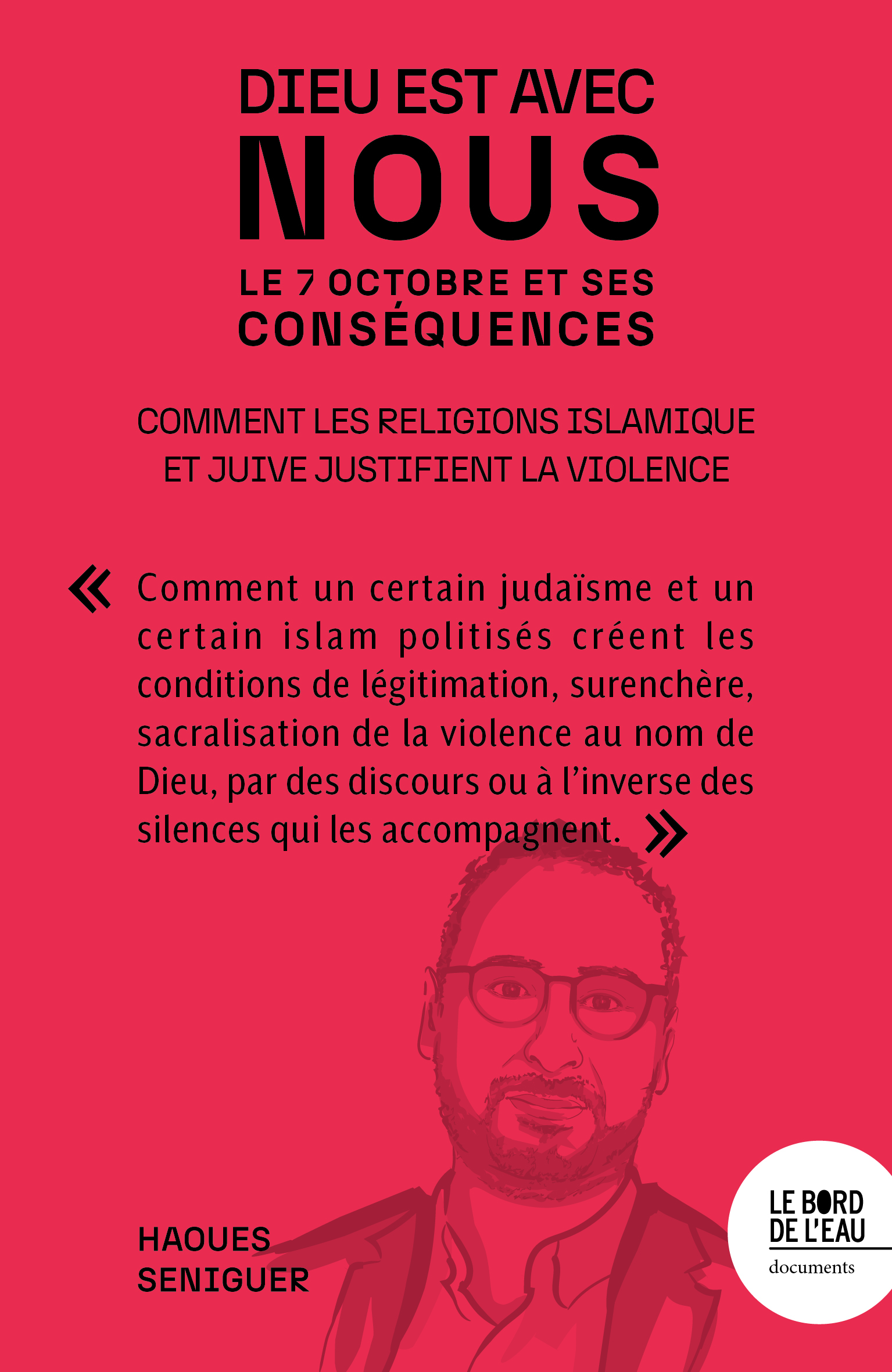
God Is with Us: How Islam and Judaism Justify Violence
- Haoues Seniguer
Long before October 7, 2023—and even more so since—certain politicized strands of Judaism and Islam have been creating conditions that legitimize, escalate, and sacralize violence in God’s na...
article
Al-Azhar and Politics in Egypt in the Post-Arab Spring: Al-Azhar’s Position within State-Society Relations (2011-2021)
- Mohamed Gamal Ali
Presentation This chapter analyses the transformations of al-Azhar's position within state-society relations in Egypt, from the 2011 revolution to 2021. A centuries-old religious institution, al-Az...