
Research project of the Oasis Foundation (Milan) carried out with the support of the Fondazione Cariplo
“Not an epoch of change but a change of epoch.” This is how, in November 2015 in Florence, Pope Francis described the current historical situation: a profound shift that overturns several aspects of our societies.
The Oasis Foundation took up the Holy Father’s challenge by launching, on 30 May, a new project aiming to analyse this historical turning point with particular attention, in keeping with its own vocation, to the evolution of Islam and the Muslim presence in Europe.
Speaking of change in the Muslim world may seem inappropriate, insofar as it is perceived as a context frozen in immutable traditions. On the contrary, a major shift is currently reshaping Islam, not only from the outside through contact with the West, but also from within.
French sociologist Leila Babès, who led the first day of the seminar in Milan, stated in this respect that “what is happening today is not a clash of civilisations, but a clash within Islamic civilisation”. The question therefore is, on the one hand, to study these changes at the sociological and political level, and on the other, to determine to what extent they are assumed at the level of thought, particularly religious thought. In this context, even the development of contemporary Salafism may be seen as one — albeit paradoxical — way of engaging with the ongoing change.
Since 2004, Oasis has been studying and promoting mutual understanding between Christians and Muslims, and sees in this new project the opportunity to deepen research on what Cardinal Angelo Scola, Archbishop of Milan and founding president of Oasis, has called “the interbreeding of civilisations”.
The project, carried out with the support of Fondazione Cariplo, is structured around two axes, “Islam in migration” and “the conflict of discourses and interpretations”. Placed under the scientific direction of the Foundation, it is conducted by a team of four researchers and enriched by the participation of international experts. The contents produced within the project will be disseminated through the Foundation’s website and social media.
The work and public conferences will continue throughout 2016 in Milan; the second seminar will take place on 22 and 23 September and will be chaired by Felice Dassetto, Emeritus Professor of Sociology of Religions at the Catholic University of Louvain, and by Jorgen Nielsen, Professor of Islamic Studies at the University of Copenhagen. A third meeting, scheduled for 2 November, will feature the participation of Joas Wagemakers, Professor of Islamic Studies at the University of Utrecht. A public conference chaired by Cardinal Scola will conclude the project’s activities at the end of November.
For more details on the Foundation and the project: www.oasiscenter.eu/en, oasis@fondazioneoasis.org.
« Pas une époque de changements mais un changement d’époque ». Ainsi le Pape François a décrit en novembre 2015, à Florence, la situation historique actuelle : un changement profond qui renverse plusieurs aspects de nos sociétés.
La Fondation Oasis a recueilli la provocation du Saint-Père en lançant le 30 mai dernier un nouveau projet qui vise à analyser cet tournant historique avec une attention particulière, d’après sa propre vocation, pour l’évolution de l’Islam et de la présence musulmane en Europe.
Parler de changement dans le monde musulman peut paraitre inapproprié, dans le mesure où il est perçu comme un contexte figé dans des traditions immuables. Bien au contraire, un changement majeure bouleverse aujourd’hui l’Islam, pas seulement de l’extérieur, par le contact avec l’Occident, mais aussi de l’intérieur.
La sociologue française Leila Babès, qui a animé la première journée de séminaire à Milan, a affirmé à ce propos que : « ce qui se passe aujourd’hui n’est pas un choc de civilisations, mais un choc dans la civilisation islamique ». La question est donc d’une part d’étudier ces changements sur le plan sociologique et politique et d’autre part de vérifier en quelle mesure ils sont assumés au niveau de la pensée, et tout particulièrement de la pensée religieuse. Dans ce contexte, même le développement du salafisme contemporaine peut être vu comme une façon, bien que paradoxale, d’approcher le changement en cours.
Depuis 2004 Oasis étudie et promeut la connaissance mutuelle entre chrétiens et musulmans et voit dans ce nouveau projet l’opportunité pour approfondir la recherche sur ce que le Cardinal Angelo Scola, Archevêque de Milan et président fondateur d’Oasis, a appelé « métissage de civilisation ».
Le projet, réalisé avec le soutien de Fondazione Cariplo, s’articule autour de deux axes, « l’Islam en migration » et le « conflit des discours et des interprétations ». Placé sous la direction scientifique de la Fondation, il est réalisé par une équipe de quatre chercheurs et est enrichi par la participation d’experts internationaux. Les contenus produits dans le cadre du projet seront divulguées à travers le site et le médias sociaux de la Fondation.
Les travaux et les conférences publiques se poursuivront pendant l’année 2016, à Milan ; le deuxième séminaire aura lieu le 22 et 23 septembre et sera présidé par Felice Dassetto, professeur émérite de Sociologie des religions à l’Université Catholique de Louvain, et par Jorgen Nielsen, professeur d’Études islamiques à l’Université de Copenhague. Une troisième rencontre, prévue pour le 2 novembre, verra la participation de Joas Wagemakers, professeur d’Études islamiques à l’université d’Utrecht. Une conférence publique présidée par le Cardinal Scola viendra clore les activités du projet fin Novembre.
Pour connaitre plus de détails sur la Fondation et le projet : www.oasiscenter.eu/fr, oasis@fondazioneoasis.org.
«ليست حقبةَ تغيّرات بل تغيّرَ حقبة». هكذا وصف البابا فرنسيس في نوفمبر/تشرين الثاني 2015 في فلورنسا الحالةَ التاريخية الراهنة: تحوّلٌ عميق يقلب جوانب عدّة من مجتمعاتنا.
استجابت مؤسّسة Oasis لدعوة الحبر الأعظم بإطلاق مشروع جديد في 30 مايو/أيار، يهدف إلى تحليل هذا المنعطف التاريخي مع اهتمام خاص، بحسب رسالتها، بتطوّر الإسلام وبالحضور الإسلامي في أوروبا.
قد يبدو الحديث عن تغيّر في العالم الإسلامي في غير محلّه، ما دام يُنظَر إليه بوصفه سياقاً مجمّداً في تقاليد لا تتبدّل. لكن على العكس من ذلك، هناك تحوّلٌ كبير يعصف بالإسلام اليوم، لا من الخارج فقط عبر الاحتكاك بالغرب، بل من الداخل أيضاً.
أكّدت عالمة الاجتماع الفرنسية Leila Babès، التي أدارت اليوم الأول من الندوة في ميلانو، في هذا الشأن أنّ «ما يحدث اليوم ليس صراعَ حضارات، بل صراعاً داخل الحضارة الإسلامية». والمسألة إذن هي من جهة دراسة هذه التغيّرات على الصعيدَين السوسيولوجي والسياسي، ومن جهة أخرى التحقّق من مدى تبنّيها على صعيد الفكر، ولا سيّما الفكر الديني. في هذا السياق، يمكن حتّى النظر إلى تطوّر السلفية المعاصرة بوصفه طريقةً، وإن كانت متناقضة، لمقاربة التغيّر الجاري.
تعمل Oasis منذ عام 2004 على دراسة المعرفة المتبادلة بين المسيحيين والمسلمين والترويج لها، وترى في هذا المشروع الجديد فرصةً لتعميق البحث في ما سمّاه الكاردينال Angelo Scola، رئيس أساقفة ميلانو والرئيس المؤسّس لـOasis، «تلاقح الحضارات».
يتمحور المشروع، الذي يُنجَز بدعم من Fondazione Cariplo، حول محورَين: «الإسلام في الهجرة» و«صراع الخطابات والتفاسير». ويُنفَّذ تحت الإشراف العلمي للمؤسّسة، ويقوم به فريق من أربعة باحثين ويُثريه إسهام خبراء دوليين. وستُعمَّم المحتويات المُنتَجة في إطار المشروع عبر موقع المؤسّسة ووسائط التواصل الاجتماعي.
تتواصل الأعمال والمحاضرات العامة خلال عام 2016 في ميلانو؛ وستُعقد الندوة الثانية في 22 و23 سبتمبر/أيلول برئاسة Felice Dassetto، الأستاذ الفخري لعلم اجتماع الأديان في الجامعة الكاثوليكية في لوفان، وJorgen Nielsen، أستاذ الدراسات الإسلامية في جامعة كوبنهاغن. ولقاء ثالث، مقرّر في 2 نوفمبر/تشرين الثاني، بمشاركة Joas Wagemakers، أستاذ الدراسات الإسلامية في جامعة أوترخت. وستُختتم أنشطة المشروع في نهاية نوفمبر/تشرين الثاني بمحاضرة عامة يُترأّسها الكاردينال Scola.
لمزيد من التفاصيل حول المؤسّسة والمشروع: www.oasiscenter.eu/en، oasis@fondazioneoasis.org.
Resources related to keywords
article
Wael Saleh: “Recognising Without Confining, to Better ‘De-other’ the Public Debate”
- Wael Saleh
In an op-ed published on 20 July 2026 by Le Devoir, Wael Saleh, a member of the scientific committee of Pluriel, puts forward a new concept for contemporary democratic debate: "de-othering" (in Fre...
videos
“War and peace”, by Adrien Candiard
On Wednesday 20 May 2026, the Dominican Institute for Oriental Studies (IDEO) hosted in Cairo a lecture by Brother Adrien Candiard, Dominican and Islamologist, on the theme "War and peace". Faced w...
article
Kenneth Cragg and the Event of the Qur’an
- Timo Güzelmansur
Article by Timo Güzelmansur published under the title Kenneth Cragg und das Ereignis des Koran on the theological portal feinschwarz.net (12 June 2026, open access). Timo Güzelmansur presents the A...
article
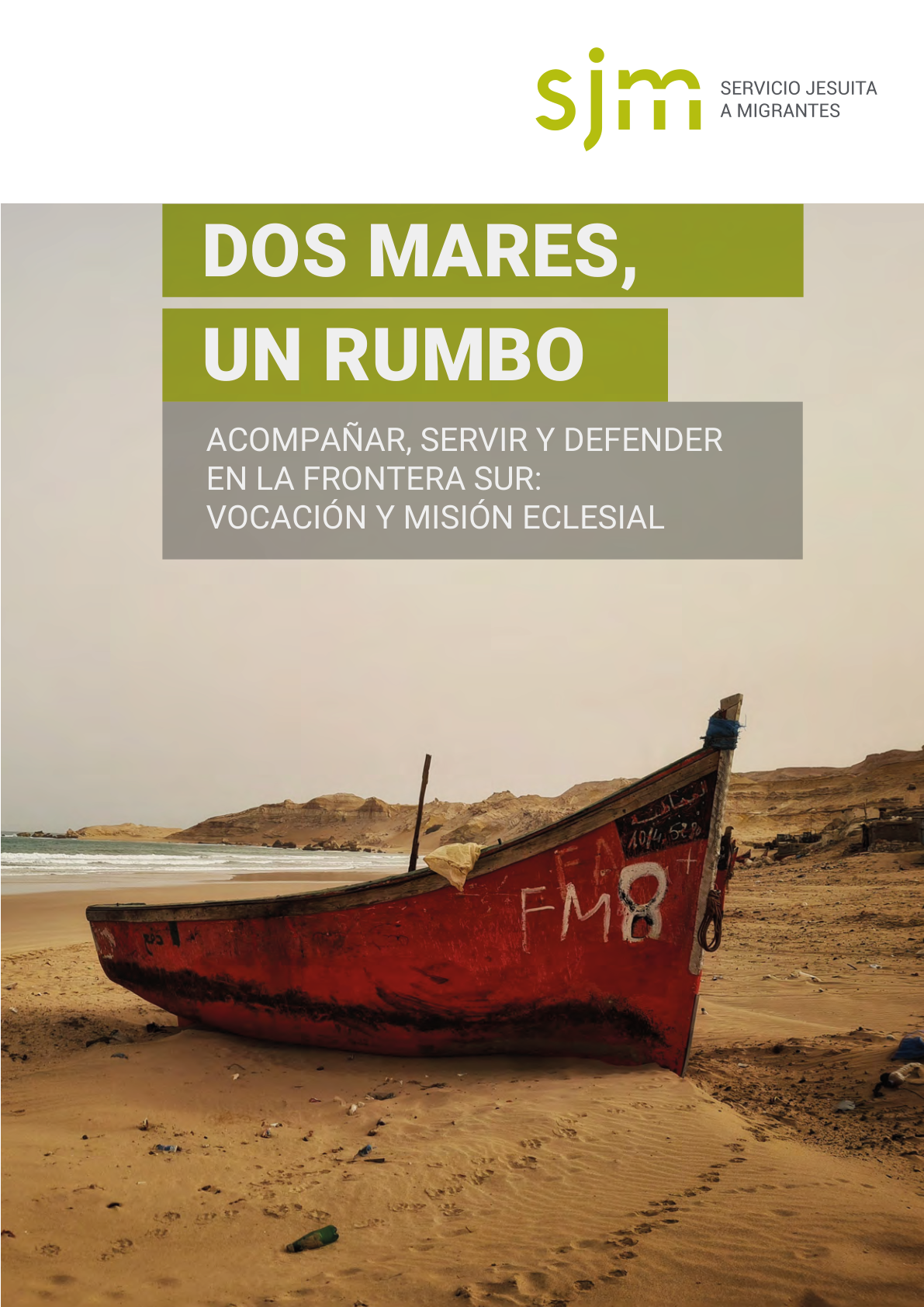
Two Seas, One Course: The 2026 Jesuit Migrant Service Report on Spain’s Southern Border
- Josep Buades
The annual report of the Jesuit Migrant Service (SJM), the social apostolate body of the Society of Jesus in Spain, written by Josep (Pep) Buades Fuster, examines the migratory dynamics of Spain’s ...
publication
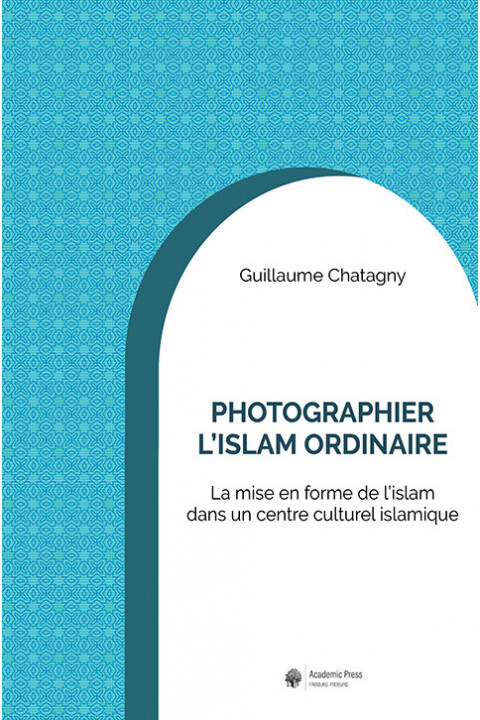
Photographing Ordinary Islam
- Guillaume Chatagny
What does Islam concretely look like within a Muslim association? This is the question addressed by sociologist Guillaume Chatagny in this book, based on fieldwork conducted between 2017 and 2021 w...

article
Leo XIV’s encyclical Magnifica Humanitas and the Pluriel working group on AI-assisted interreligious dialogue
- Wael Saleh
Text by Wael Saleh, researcher at the Université du Québec à Montréal (UQAM) and member of the Pluriel coordination committee. The simultaneous appearance of Leo XIV's encyclical Magnifica Human...
publication
The Recognition of a Hummingbird. Essays on Interreligious Dialogue and Missionary Work (2007-2025)
- Rémi Caucanas
Published in May 2026 by PISAI (Pontifical Institute for Arabic and Islamic Studies, Rome), this collection brings together the essays of Rémi Caucanas on interreligious dialogue and missionary wor...
videos
From Lavigerie to PISAI: The Institutional History of the Missionaries of Africa’s Engagement with Islam
Delivered on 21 May 2026 at the Pontifical Institute for Arabic and Islamic Studies (PISAI) in Rome, this lecture opens the series of conferences marking the institute's centenary (1926-2026). Fr. ...