
University platform for research on Islam
Initiated by
the Federation
of European
Catholic
Universities
Supported by
the International
Federation
of Catholic
Universities
Hosted by

Publisher : Herder - Freiburg

German


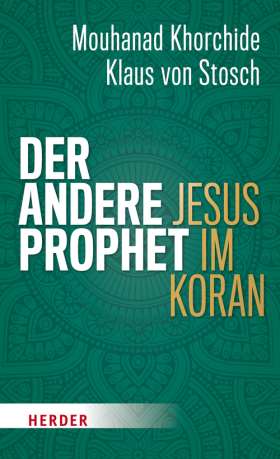
The other prophet: Jesus in the Quran
Jesus is considered in Islam as one of the most important prophets, and in the Koran as a divine sign. Yet his place in Islam is not the same as in Christianity. In their unique book, Mouhanad Khorchide and Klaus von Stosch undertake the first attempt to develop the Qur’anic Jesus on both the Muslim and Christian sides. Their book opens up surprising perspectives.
They show not only that a common view of Jesus from the Muslim and Christian sides is possible, but that it broadens our understanding of Jesus and his message. The book has three aims. Firstly, it traces the historical background of the dispute about Jesus in the Qur’an and reflects on how its rigorous study can contribute to a fruitful cohabitation between Christians and Muslims today. Secondly, it aims to show the hermeneutical importance of confronting Christology for a proper understanding of the Qur’an. Thirdly, it aims to show how Christians can deepen and clarify their faith in Jesus as Christ by approaching the Qur’an.
Jésus est considéré dans l’islam comme l’un des prophètes les plus importants, et dans le Coran comme un signe divin. Et pourtant sa place dans l’islam n’est pas la même que dans le christianisme. Dans leur livre unique, Mouhanad Khorchide et Klaus von Stosch entreprennent la première tentative de développement du Jésus coranique à la fois du côté musulman et et du côté chrétien. Son livre ouvre des perspectives surprenantes.
Ils montrent non seulement qu’un regard commun sur Jésus du côté musulman et du côté chrétien est possible, mais qu’il élargit notre compréhension de Jésus et de son message. Le livre poursuit trois objectifs. Tout d’abord, il retrace historiquement la querelle sur Jésus dans le Coran et réfléchit sur la manière dont son étude rigoureuse peut contribuer à une cohabitation féconde entre chrétiens et musulmans aujourd’hui. Deuxièmement, il veut montrer l’importance herméneutique de la confrontation avec la christologie pour une bonne compréhension du Coran. Troisièmement, il veut montrer comment les chrétiens peuvent approfondir et préciser leur foi en Jésus comme Christ en abordant le Coran.
Titre original : “Der andere Prophet. Jesus im Koran”
النبيّ الآخر: يسوع في القرآن
يعتبرُ الإسلامُ يسوعَ واحداً من الأنبياء الأبرز ويشيرُ إليه القرآن كعلامةٍ إلهيّةٍ. إلّا أنّ مكانته في الإسلام لا توازي على الإطلاق مكانته في المسيحيّة. يلجأ مهنّد خورشيد وكلاوس فون ستوش في كتابهما الفريد إلى خوض محاولة رسم ملامح يسوع في القرآن من وجهتي النظر المسيحيّة والإسلامية في الوقت نفسه. فيكشفُ الكتاب عن آفاق جديدة مدهشة.
فلا يكتفيان بإثبات أنّ نظرةً مشتركةً من الجانبين المسيحي والمسلمٍ ممكنةٌ بل أنّها توسِّع نطاق فهمنا ليسوع ولرسالته. من هنا، يهدف الكتاب إلى تحقيق غايات ثلات. أوّلاً، يعيدُ رسمَ الخلافَ حول يسوع في القرآن رسماً تاريخيّاً ويفكّر في كيفيّة مساهمة دراسته الدقيقة في تحقيقِ تعايشٍ مثمرٍ بين المسيحيين والمسلمين اليوم. ثانيًا ، يريد أن يُظهر الأهمية التأويلية لمواجهة الكرستولوجيا بغية فهم القرآن فهماً جيدًا. ثالثاً، يسعى إلى إثبات كيف يمكن للمسيحيّين أن يعمّقوا ويبلوروا إيمانهم بيسوع المسيح من خلال القرآن .
Jesus gilt im Islam als einer der bedeutendsten Propheten. Im Koran wird er als Zeichen Gottes genannt. Und doch ist sein Stellenwert im Islam ein anderer als im Christentum. In ihrem einzigartigen Buch unternehmen Mouhanad Khorchide und Klaus von Stosch den bislang ersten Versuch, den koranischen Jesus von islamischer und christlicher Seite zu erschließen. Ihr Buch eröffnet überraschende Perspektiven.
Sie zeigen, dass ein gemeinsamer Blick auf Jesus von islamischer und christlicher Seite nicht nur möglich ist, sondern unser Verständnis von Jesus und seiner Botschaft erweitert. Das Buch verfolgt drei Ziele. Es zeichnet erstens den Streit um Jesus im Koran historisch nach und überlegt, wie seine präzise Aufarbeitung zu einem produktiven Miteinander von Christen und Muslimen heute beitragen kann. Es will zweitens zeigen, welche große hermeneutische Bedeutung die Auseinandersetzung mit der Christologie für ein adäquates Verstehen des Korans hat. Und es will drittens Perspektiven aufzeigen, wie Christen ihren Glauben an Jesus als den Christus durch eine Auseinandersetzung mit dem Koran vertiefen und reinigen können.


 publisher's website
Author(s)
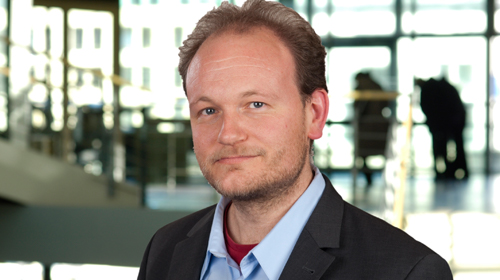
Klaus von Stosch
Professor for Catholic Theology, holder of the "Schlegel" Chair of Excellence for "systematic theology with a special focus on societal challenges", University of Bonn
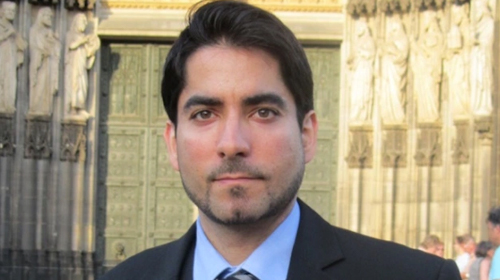
Mouhanad Khorchide
University Professor for Islamic Religious Education, Leader of the Centre for Islamic Theology - University Münster.
Resources of this researcher
publication
The other prophet: Jesus in the Quran
Jesus is considered in Islam as one of the most important prophets, and in the Koran as a divine sign. Yet his place in Islam is not the same as in Christianity. In their unique book, Mouhanad Khor...
publication
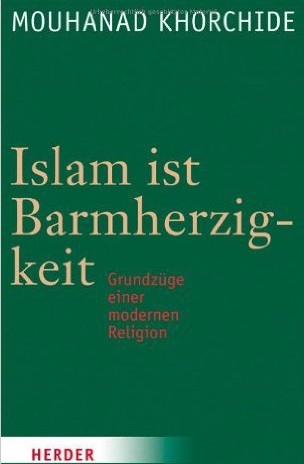
Islam is charity: the foundations of a modern religion
For the first time in the German-speaking world: a contemporary Islamic theology. Mouhanad Khorchide shows how Islam can come from within itself to a self-understanding that makes a fundamental tur...
publication
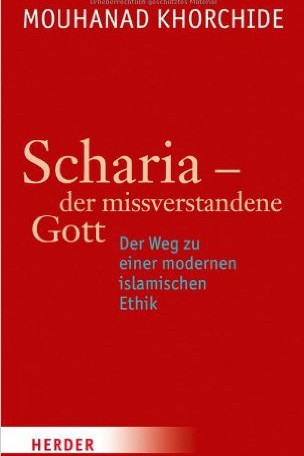
Sharia – the misunderstood God: the way to a modern Islamic ethic
Presentation of the publisher Few terms refer to Islam as “sharia”. Mouhanad Khorchide, exploring new foundations of an Islamic theology (“Islam is mercy”) and in a renewed ...
publication
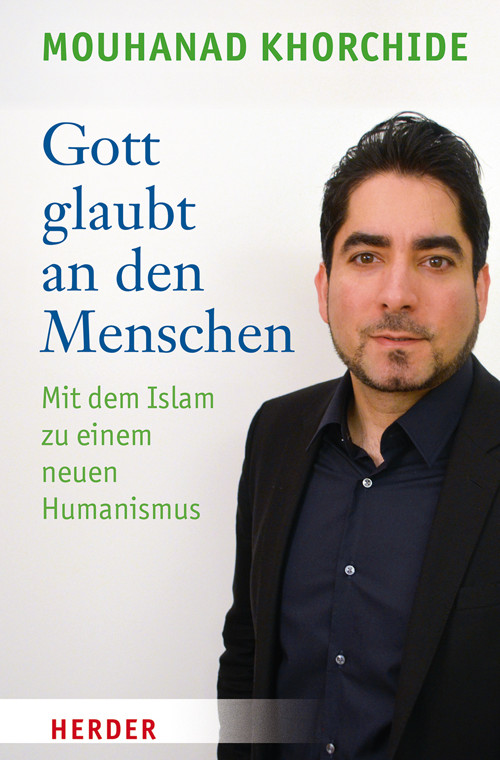
God believes in man: with Islam, towards a new humanism
The message of Mouhanad Khorchide is clear: we need a global humanism that pays tribute to the people as a global family. By recognizing its own potential, Islam can make a decisive contribution. M...
Resources related to Muslim-Christian Dialogue

article
Leo XIV’s encyclical Magnifica Humanitas and the Pluriel working group on AI-assisted interreligious dialogue
- Wael Saleh
Text by Wael Saleh, researcher at the Université du Québec à Montréal (UQAM) and member of the Pluriel coordination committee. The simultaneous appearance of Leo XIV's encyclical Magnifica Human...
videos
From Lavigerie to PISAI: The Institutional History of the Missionaries of Africa’s Engagement with Islam
Delivered on 21 May 2026 at the Pontifical Institute for Arabic and Islamic Studies (PISAI) in Rome, this lecture opens the series of conferences marking the institute's centenary (1926-2026). Fr. ...
videos
Interreligious Dialogue and Ethnic Nationalisms in the Balkans
At the invitation of PISAI (Pontifical Institute for Arabic and Islamic Studies, Rome) and Georgetown University, Ahmet Alibašić, professor of Islamic civilization at the Faculty of Islamic Studies...
publication
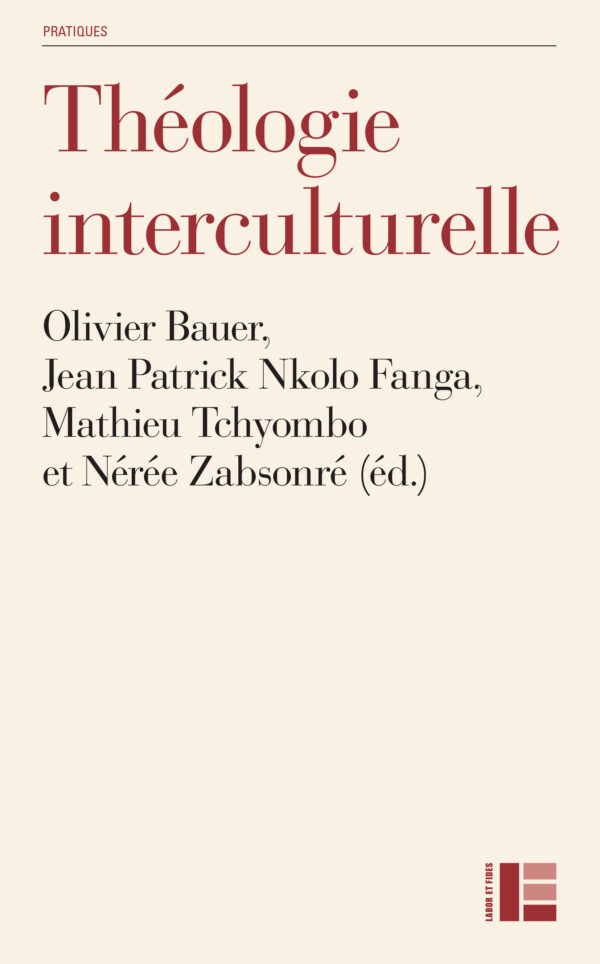
Intercultural Theology
- Jean Patrick Nkolo Fanga
Because every theology is culturally situated, Christian theology is inevitably multicultural. Yet one step remains to be taken: to become intercultural. Crossing languages, contexts, origins, ages...
publication
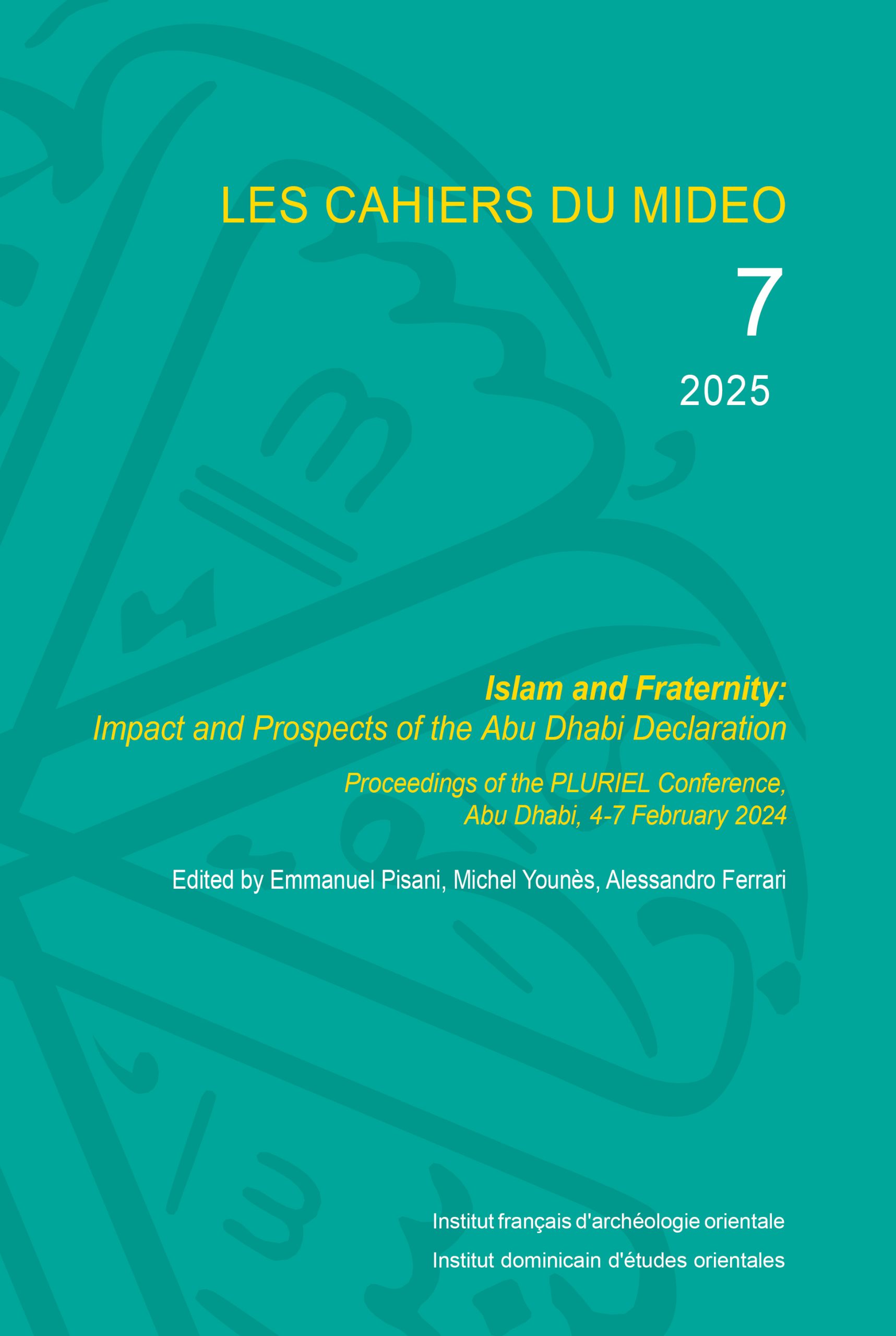
Islam and Fraternity: Impact and Prospects of the Abu Dhabi Declaration
The volume dedicated to the conference “Islam and Fraternity”, held in Abu Dhabi from February 4 to 7, 2024, under the auspices of the PLURIEL network, in partnership with Trends, a research center...
publication
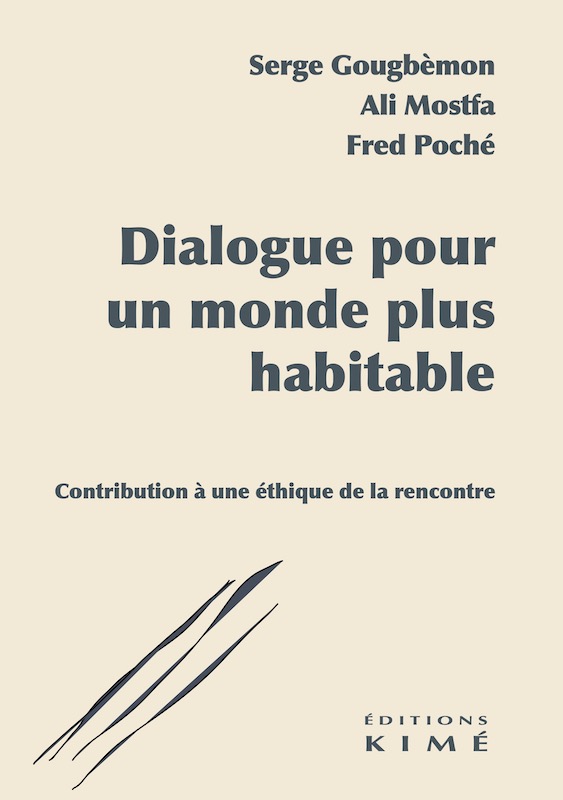
Dialogue for a More Livable World: Toward an Ethics of Encounter
- Mohamed-Ali Mostfa
How can we live in a climate of mistrust, trapped in identity-based withdrawal, and paralyzed by an uncertain future? On what basis can we open new paths to ease suffering—perhaps even reenchant ou...

videos
Freedom of conscience, a contested yet resilient right
- Dominique Avon
Rome. In a conference given on November 28, 2024, at the Pontifical Institute for Arabic and Islamic Studies, Professor Dominique Avon from the École Pratique des Hautes Études in Paris traced the ...
publication
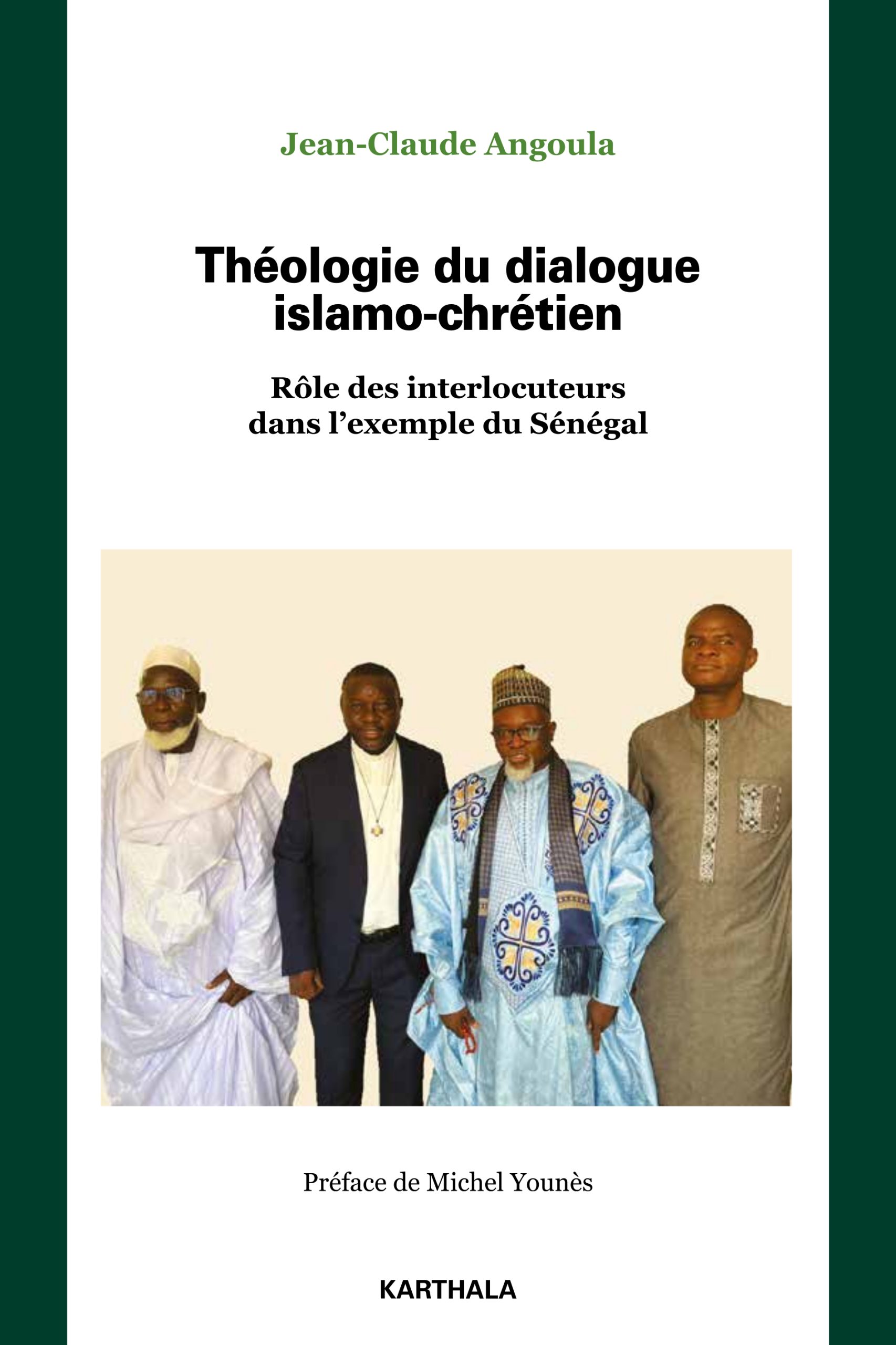
Theology of Islamic-Christian Dialogue: Role of Interlocutors in the Example of Senegal
- Jean-Claude Angoula
Encounters reveal the urgency of dialogue and the difficult quest for truth. This truth sometimes appears unique but elusive, especially during Islamic-Christian encounters. What model of dialogue ...