

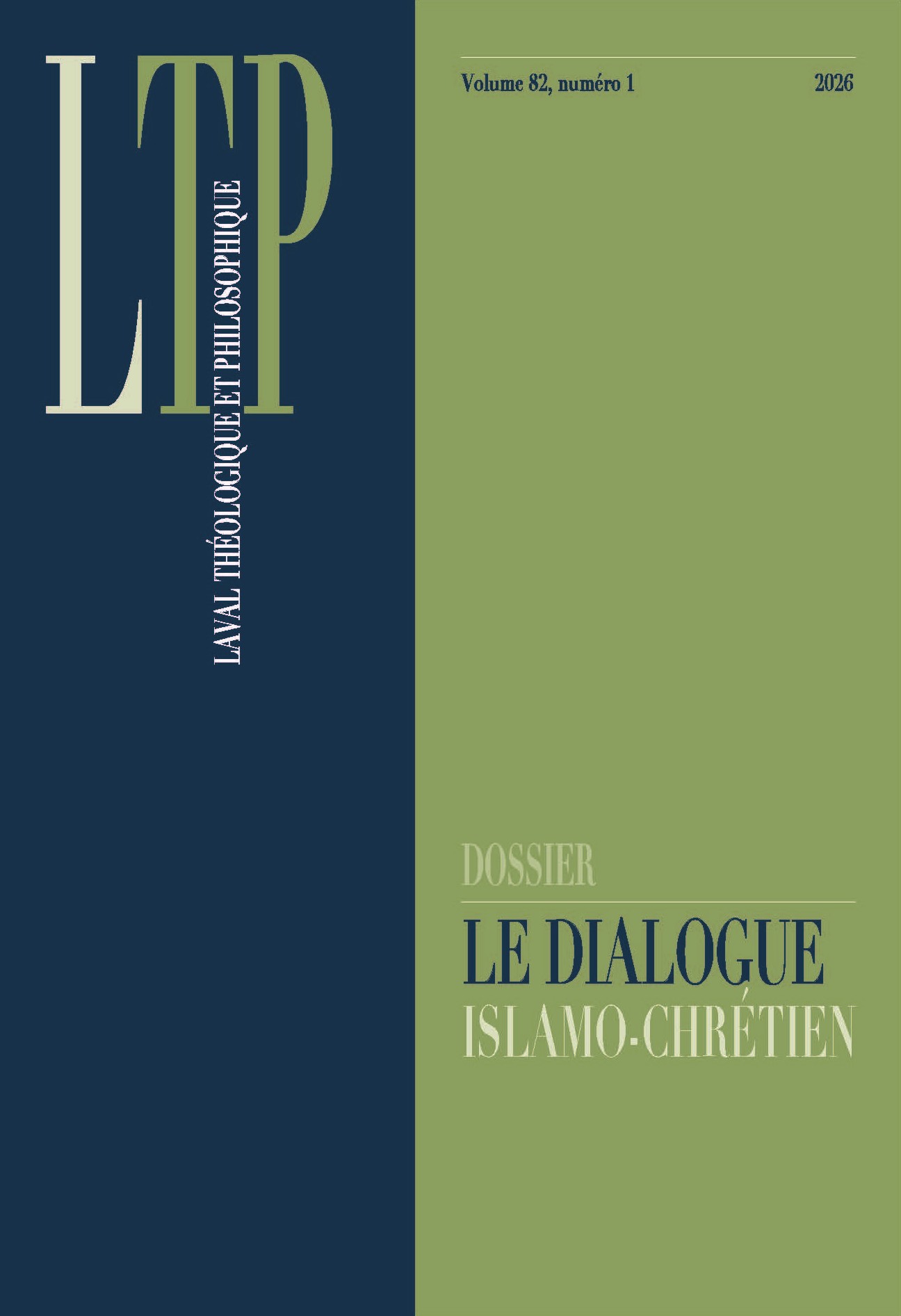
Dossier « Islam et dialogue interreligieux » dans la revue Laval théologique et philosophique
La revue Laval théologique et philosophique publie dans son volume 82, numéro 1 (2026) un dossier consacré à l’islam et au dialogue interreligieux, coordonné par Guy-Raymond Sarkis (Université Saint-Joseph de Beyrouth), Emmanuel Pisani (Institut catholique de Paris) et Michel Younès (Université catholique de Lyon, UCLy). Le dossier rassemble six contributions de chercheurs du réseau Pluriel, qui examinent la relation islamo-chrétienne à travers l’analyse juridique, la réflexion théologique et la critique des dérives idéologiques.
Dans le liminaire qui ouvre le numéro, les trois coordinateurs rappellent la dynamique scientifique impulsée par Pluriel, structurée par ses congrès successifs : Lyon 2016, Rome 2018, Beyrouth 2022, Abou Dhabi 2024 et Cordoue 2026. Ils soulignent qu’ensemble, ces colloques dessinent « une véritable grammaire de recherche : de la pluralité des expressions de l’islam, à l’examen des appartenances, puis à l’épreuve de l’altérité, pour ouvrir à une fraternité à la fois civile et théologique ».
Les six contributions du dossier
Michel Younès, « La théologie comparative, vecteur d’une nouvelle approche de la diversité religieuse ? » ouvre le dossier en retraçant la genèse et la structuration de la théologie comparative, développée notamment par Francis X. Clooney, Catherine Cornille et Klaus von Stosch. Discipline émergente, cette approche se distingue de la théologie des religions et du dialogue interreligieux en privilégiant un véritable apprentissage « par l’autre », pensé comme une occasion de transformation réciproque.
Tobias Specker, « De la preuve à la science littéraire : l’inimitabilité du Coran (iʿǧāz), problématique théologique et source d’inspiration » propose, à partir de l’approche contemporaine de la révélation coranique par Navid Kermani et d’une illustration tirée de l’œuvre récente d’Iyas Hassan, de mettre l’accent sur la dimension esthétique de la révélation. Cette perspective ouvre des pistes de correspondances interreligieuses qui dépassent le cadre apologétique traditionnel.
Emmanuel Pisani, « Vers une théologie islamique du dialogue interreligieux ? Une lecture critique d’al-kalām al-ǧadīd de ʿAbd al-Ǧabbār al-Rifāʿī » analyse la pensée de ce philosophe irakien (né en 1954), promoteur du kalām al-ǧadīd (la « nouvelle théologie »). Al-Rifāʿī plaide pour une refondation radicale de la théologie islamique, jugeant que le kalām classique demeure prisonnier d’un cadre apologétique inapte à fonder une véritable culture du dialogue.
Guy-Raymond Sarkis, « Ḥaydar Ibrāhīm ʿAlī, un penseur sur des fronts multiples » retrace l’itinéraire de ce sociologue et penseur soudanais (né en 1943), exilé en raison de son opposition à l’islam politique. Inspiré des théologies latino-américaines de la libération, ʿAlī déplace le dialogue islamo-chrétien des impasses dogmatiques vers un engagement partagé au service des opprimés et des marginalisés.
Leïla Tauil, « Mohammed Arkoun et la lecture déconstructive du Coran : une relecture des versets polémiques à l’égard des « gens du Livre » » sonde comment l’islamologue Mohammed Arkoun, à partir d’outils issus des sciences humaines modernes, a déconstruit les versets coraniques polémiques à l’égard des juifs et des chrétiens. Elle met en lumière l’articulation féconde entre linguistique, critique épistémologique et théologie, et rappelle comment le débat sur le Coran créé/incréé constitue un levier herméneutique contemporain.
Gabriel Said Reynolds, « Dieu et sa promesse dans le Coran » clôt le dossier en proposant une lecture de la thématique coranique de la « promesse de Dieu » dans le contexte de concurrence religieuse entre communautés monothéistes de l’Antiquité tardive. Par une analyse comparée avec la Bible hébraïque et le Nouveau Testament, il montre comment le Coran mobilise la promesse divine comme un langage de persuasion communautaire, centré sur le Jugement et l’au-delà.
Référence et accès
Laval théologique et philosophique, vol. 82, n° 1 (2026). Dossier « Islam et dialogue interreligieux », coordonné par Guy-Raymond Sarkis, Emmanuel Pisani et Michel Younès. Les articles sont disponibles sur la plateforme Érudit : accès payant pendant un an, puis en libre accès.
The journal Laval théologique et philosophique has just released, in its volume 82, issue 1 (2026), a special issue devoted to Islam and interreligious dialogue, coordinated by Guy-Raymond Sarkis (Saint Joseph University of Beirut), Emmanuel Pisani (Catholic Institute of Paris) and Michel Younès (Catholic University of Lyon, UCLy). The issue brings together six contributions from researchers of the Pluriel network, each examining the Muslim-Christian relationship through legal analysis, theological reflection or the critique of ideological drifts.
In the editorial that opens the volume, the three coordinators recall the scientific dynamic driven by Pluriel, structured by its successive congresses: Lyon 2016, Rome 2018, Beirut 2022, Abu Dhabi 2024 and Cordoba 2026. Together, they argue, these conferences sketch out « a genuine research grammar: from the plurality of Islamic expressions, to the examination of belongings, then to the test of otherness, opening onto a fraternity at once civil and theological. »
The six contributions
Michel Younès, « Comparative Theology, a Vector for a New Approach to Religious Diversity? » opens the issue by tracing the genesis and structuring of comparative theology, developed notably by Francis X. Clooney, Catherine Cornille and Klaus von Stosch. An emerging discipline, this approach sets itself apart from the theology of religions and interreligious dialogue by giving priority to a genuine learning « from the other, » understood as an opportunity for reciprocal transformation.
Tobias Specker, « From Proof to Literary Science: the Inimitability of the Quran (iʿǧāz), a Theological Problematic and a Source of Inspiration » proposes, drawing on Navid Kermani’s contemporary approach to Quranic revelation and an illustration from Iyas Hassan’s recent work, to highlight the aesthetic dimension of revelation. This perspective opens up paths of interreligious correspondence that move beyond the traditional apologetic framework.
Emmanuel Pisani, « Towards an Islamic Theology of Interreligious Dialogue? A Critical Reading of ʿAbd al-Ǧabbār al-Rifāʿī’s al-kalām al-ǧadīd » analyses the thought of this Iraqi philosopher (born in 1954), proponent of the kalām al-ǧadīd (the « new theology »). Al-Rifāʿī calls for a radical refoundation of Islamic theology, holding that classical kalām remains caught within an apologetic framework that cannot ground a genuine culture of dialogue.
Guy-Raymond Sarkis, « Ḥaydar Ibrāhīm ʿAlī, a Thinker on Multiple Fronts » retraces the itinerary of this Sudanese sociologist and thinker (born in 1943), exiled on account of his opposition to political Islam. Inspired by Latin American liberation theologies, ʿAlī shifts Christian-Muslim dialogue away from dogmatic impasses and towards a shared commitment to the oppressed and the marginalised.
Leïla Tauil, « Mohammed Arkoun and the Deconstructive Reading of the Quran: Revisiting the Polemical Verses Concerning the ‘People of the Book' » probes how the Islamologist Mohammed Arkoun, drawing on the tools of modern human sciences, deconstructed the Quranic verses polemical towards Jews and Christians. She highlights the fruitful articulation between linguistics, epistemological critique and theology, and recalls how the debate on the created versus uncreated Quran constitutes a contemporary hermeneutical lever.
Gabriel Said Reynolds, « God and His Promise in the Quran » closes the issue with a reading of the Quranic theme of « God’s promise » in the context of religious competition among the monotheistic communities of Late Antiquity. Through a comparative analysis with the Hebrew Bible and the New Testament, he shows how the Quran mobilises divine promise as a language of community persuasion, centred on Judgement and the afterlife.
Reference and access
Laval théologique et philosophique, vol. 82, no. 1 (2026). Special issue « Islam and Interreligious Dialogue, » coordinated by Guy-Raymond Sarkis, Emmanuel Pisani and Michel Younès. The articles are available on the Érudit platform: paywalled for one year, then open access.
نشرت مجلة Laval théologique et philosophique في عددها الأول من المجلد 82 (2026) ملفًا حول الإسلام والحوار بين الأديان، أشرف على تنسيقه غي-ريمون سركيس (جامعة القديس يوسف، بيروت)، وإيمانويل بيزاني (المعهد الكاثوليكي في باريس)، وميشيل يونس (الجامعة الكاثوليكية في ليون). يضمّ الملف ست مساهمات لباحثين من شبكة المنصة الجامعية للدراسات حول الإسلام (بلوريال)، تتناول العلاقة الإسلامية المسيحية من خلال التحليل القانوني، والتفكير اللاهوتي، ونقد الانحرافات الإيديولوجية.
في الافتتاحية التي يُستهلّ بها العدد، يستعيد المنسّقون الثلاثة الديناميكية العلمية التي أطلقتها بلوريال، والتي تتمحور حول مؤتمراتها المتعاقبة: ليون 2016، وروما 2018، وبيروت 2022، وأبو ظبي 2024، وقرطبة 2026. ويرون أن هذه المؤتمرات ترسم معًا « قواعد حقيقية للبحث: من تعدّد التعبيرات الإسلامية، إلى دراسة الانتماءات، ثم إلى اختبار الغيرية، انفتاحًا على أخوّة مدنية ولاهوتية في آن ».
المساهمات الست في الملف
ميشيل يونس، « اللاهوت المقارَن، أداةٌ لمقاربة جديدة للتنوع الديني؟ » يفتتح الملف بتتبّع نشأة اللاهوت المقارَن وتبلوره، لا سيما على يد فرنسيس كلوني، وكاترين كورنيل، وكلاوس فون شتوش. إنه تخصص ناشئ يتميّز عن لاهوت الأديان وعن الحوار بين الأديان بإيلائه الأولوية لتعلّم حقيقي « من الآخر »، يُفهم على أنه فرصة لتحوّل متبادل.
توبياس شبيكر، « من البرهان إلى العلم الأدبي: إعجاز القرآن، إشكالية لاهوتية ومصدر إلهام » يقترح، انطلاقًا من المقاربة المعاصرة للوحي القرآني عند نويد كرماني، ومن نموذج تطبيقي في عمل إياس حسن الحديث، التشديد على البُعد الجمالي للوحي. تفتح هذه المقاربة آفاقًا للتقارب بين الأديان، تتجاوز الإطار الدفاعي التقليدي.
إيمانويل بيزاني، « نحو لاهوت إسلامي للحوار بين الأديان؟ قراءة نقدية في الكلام الجديد عند عبد الجبار الرفاعي » يحلّل فكر هذا الفيلسوف العراقي (المولود سنة 1954)، رائد « الكلام الجديد ». يدعو الرفاعي إلى تأسيس جذري جديد للاهوت الإسلامي، معتبرًا أن الكلام الكلاسيكي بقي أسير إطار دفاعي يعجز عن تأسيس ثقافة حقيقية للحوار.
غي-ريمون سركيس، « حيدر إبراهيم علي، مفكّر على جبهات متعددة » يستعيد مسار هذا العالم الاجتماعي والمفكر السوداني (المولود سنة 1943)، الذي اضطر إلى المنفى بسبب معارضته للإسلام السياسي. مستلهمًا من لاهوتيات التحرير في أميركا اللاتينية، ينقل علي الحوار الإسلامي المسيحي من المآزق العقائدية إلى التزام مشترك في خدمة المظلومين والمهمَّشين.
ليلى الطويل، « محمد أركون والقراءة التفكيكية للقرآن: إعادة قراءة الآيات الجدلية تجاه « أهل الكتاب » » تتساءل كيف فكّك المفكر محمد أركون، انطلاقًا من أدوات العلوم الإنسانية الحديثة، الآيات القرآنية ذات الطابع الجدلي تجاه اليهود والمسيحيين. تُبرز التمفصل المثمر بين علم اللغة، والنقد المعرفي، واللاهوت، وتذكّر بأن النقاش حول القرآن المخلوق وغير المخلوق يشكّل رافعة هرمنوطيقية معاصرة.
غابرييل سعيد رينولدز، « الله ووعده في القرآن » يختم الملف بقراءة لموضوع « وعد الله » القرآني في سياق التنافس الديني بين المجتمعات التوحيدية في أواخر العصور القديمة. من خلال تحليل مقارَن مع الكتاب المقدس العبري والعهد الجديد، يُظهر كيف يوظّف القرآن الوعد الإلهي بوصفه لغة إقناع جماعي، تتمحور حول الدينونة والآخرة.
المرجع والوصول
Laval théologique et philosophique, vol. 82, no. 1 (2026).
ملف « الإسلام والحوار بين الأديان »، أشرف عليه غي-ريمون سركيس، وإيمانويل بيزاني، وميشيل يونس. المقالات متاحة على منصة Érudit: الوصول مدفوع طوال سنة، ثم يصبح مجانيًا.


Ressources liées à Dialogue islamo-chrétien

article
Visions islamiques de Jésus : révélation, prophétie et eschatologie
- Antonio Cuciniello
Résumé Publié sous le titre original « Islamic Visions of Jesus: Revelation, Prophecy, and Eschatology » dans l'ouvrage collectif Jerusalem in Memory and Eschatology: Jewish, Christian, and Musl...

article
Questions sur la sotériologie islamique dans l’islam primitif
- Jaume Flaquer
Résumé Publié sous le titre original « Cuestiones sobre la soteriología islámica en el islam primitivo » dans l'ouvrage collectif Riesgos y fidelidades. Miradas teológicas para un mundo plural, ...

article
Le Coran musulman incréé et le Logos chrétien éternellement engendré
- Jaume Flaquer
Résumé Publié sous le titre original « El Corán musulmán increado y el Logos cristiano eternamente engendrado » dans le monographique Logos, Agape, Sarx. Una dialógica cristiana du numéro 79 (20...

article
Le premier concile de Nicée (325) et le dialogue islamo-chrétien sur l’unité et la trinité de Dieu
- Dirk Ansorge
Résumé Publié sous le titre original « Das erste Konzil von Nizäa (325) und der christlich-muslimische Dialog über Gottes Einheit und Dreifaltigkeit » dans le numéro 2/2025 des CIBEDO-Beiträge, ...
article
Les relations islamo-chrétiennes aujourd’hui : quelques réflexions
- David Marshall
Résumé Publiée sous le titre original « Christian-Muslim Relations Today: Some Reflections » dans un numéro spécial de The Muslim World consacré aux 50 ans du Duncan Black Macdonald Center (Hart...
article
Ḥaydar Ibrāhīm ʿAlī, un penseur sur des fronts multiples
- Guy-Raymond Sarkis
Résumé Ḥaydar Ibrāhīm ʿAlī, sociologue soudanais de la religion, est un intellectuel errant et engagé dont les écrits émergent des défis de sa société, et y répondent. Il appelle ainsi à une thé...

article
Approches littéraires, sémiotiques et herméneutiques du Coran à l’époque moderne
- Wasim Salman
Résumé Dans cette contribution au numéro 51 (Mélanges) de la revue Islamochristiana, parue en italien sous le titre Approcci letterari, semiotici ed ermeneutici al Corano nel periodo moderno, Wa...
publication
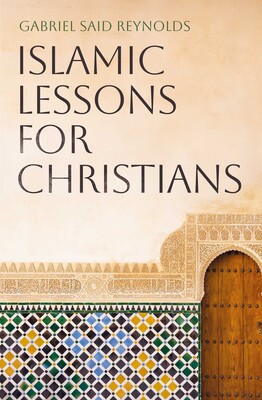
Leçons islamiques pour les chrétiens
- Gabriel Said Reynolds
Paru sous le titre Islamic Lessons for Christians (Oneworld Publications, 2026), ce livre de Gabriel Said Reynolds, professeur d’études islamiques et de théologie à l’Université de Notr...