
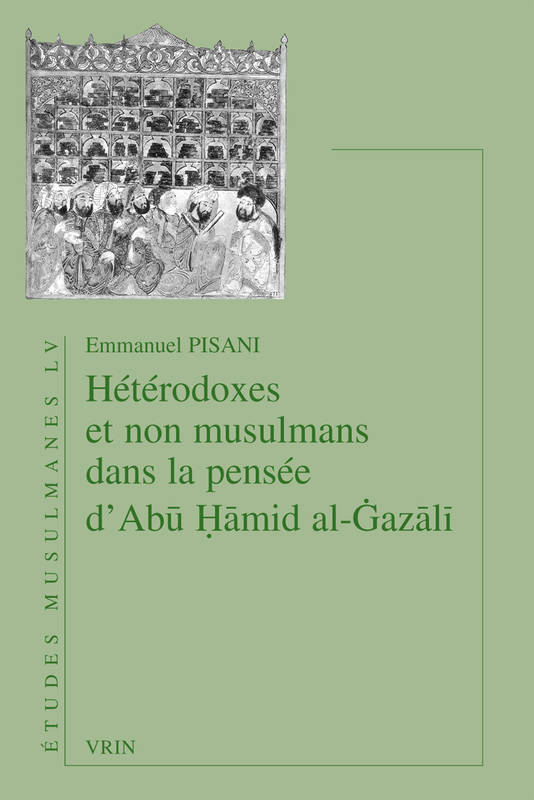
Publisher : Vrin -

French


Heterodox and non-Muslim in the thought of Abū Ḥāmid al-Ġazālī
This study addresses the question of how to view and understand religious otherness from a Muslim perspective, in the light of one of its greatest thinkers. Starting from a questioning of the status of non-Muslims, the author shows that it is necessary to start from the divisions that marked the first Muslim community, particularly after the death of the Messenger of Islam. The phenomenon of fragmentation, divergence, ikhtilāf that crossed the centuries was far from satisfying the Muslims because the unity of the community remained the ideal to be achieved. However, at the time of al-Ġazālī (d. 505/1111), divisions increased, with their train of formidable social and political consequences. Anxious to overcome the conflicts between the legal and theological schools, al-Ġazālī was to develop an original and inclusive synthesis that neutralised the communitarian and exclusivist cut-off of certain Islamic schools and made it possible to integrate his co-religionists into the great project of Sunni Islam. The study shows that his approach is not without consequences in the status and the way he looks at non-Muslims, whether they are Jews, Christians, Buddhists, etc. Moreover, his thought allows the foundation of an Islamic theology of the other and of dialogue.
Cette étude aborde la question du regard et de la compréhension de l’altérité religieuse d’un point de vue musulman, à la lumière de l’un de ses plus grands penseurs. À partir d’un questionnement sur le statut des non musulmans, l’auteur montre qu’il est nécessaire de partir des divisions qui ont marqué la première communauté musulmane, particulièrement après la mort du Messager de l’islam. Le phénomène de fragmentation, de divergence, d’ikhtilāf qui traverse les siècles est loin de satisfaire les musulmans car l’unité de la communauté reste l’idéal à atteindre. Cependant, à l’époque d’al-Ġazālī (m. 505/1111), les divisions s’amplifient, avec leurs cortèges de conséquences sociales et politiques redoutables. Soucieux de dépasser les conflits entre les écoles juridiques et théologiques, al-Ġazālī va développer une synthèse originale et inclusiviste qui neutralise le couperet communautariste et exclusiviste de certaines écoles islamiques et permet d’intégrer ses coreligionnaires au grand projet de l’islam sunnite. L’étude montre que son approche n’est pas sans conséquence dans le statut et le regard qu’il porte sur les non musulmans, qu’ils soient juifs, chrétiens, bouddhistes, etc. Plus encore, sa pensée permet de fonder une théologie islamique de l’autre et du dialogue.
تتناولُ هذه الدراسة مسألة النظر إلى الإختلاف الديني وفهمه من وجهة نظر المسلمين، على ضوء واحدٍ من أكبر مفكريها. واستناداً إلى التفكير في وضع غير المسلمين، يبيّن المؤلف أنه من الضروري البدء من الانقسامات التي اتّسم بها المجتمع الإسلامي الأول، لا سيّما بعد وفاة رسول الإسلام. ولم تكن ظاهرة التفتت والاختلاف التي اجتاحت القرون مقبولة عند المسلمين، لأنّ وحدة المجتمع ظلّت هي النموذج الأعلى التي ينبغي تحقيقها. غير أنه في عهد الغزالي (ت 505 /1111)، ازدادت الانقسامات، وما صاحبها من عواقب اجتماعية وسياسية مروعة. ومن منطلق حرصه على التغلّب على الصراعات بين المذاهب الفقهية، سعى الغزالي إلى وضع تصورٍ تركيبي أصلي وشامل يعمل على نبذ النزعة الجماعويَّة والاقصائيّة لبعض المذاهب الإسلامية والسماح لإخوانه في الدين بالإندماج في المشروع الكبير للإسلام السني. الدراسة تظهر أن نهجه لا يخلو من العواقب فيما يتعلّق بالوضع والطريقة التي ينظر بها إلى غير المسلمين، سواءً كانوا يهوداً أو مسيحيين أو بوذيين، إلخ. فضلاً عن ذلك فإنّ توجهه هذا يسمح بتأسيس عقيدة الآخر في الإسلام وهيكل جديد للحوار.


 publisher's website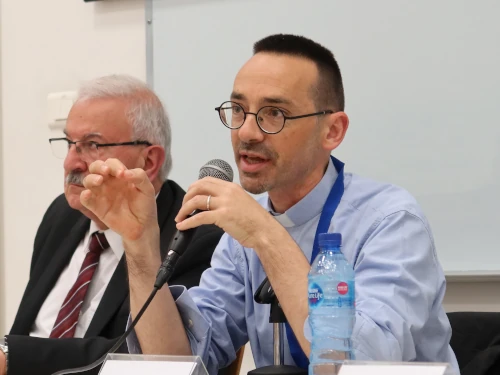
Resources of this researcher
publication
Revival and Dynamics of Islamic Studies in Europe
“In a troubled international context where Islam is sometimes defined as an ideological marker of many conflicts, academic research drawing on history, sociology, and political science has mu...
publication
Muslim Theologies of Religious Pluralism. Proceedings of the Colloquium Held on November 20 and 21, 2021
The laboratory of the Institute of Science and Theology of Religions of Paris (Theologicum, ICP) presents here the outcome of four years of research on the theme of religious pluralism in Islam. Wh...
publication
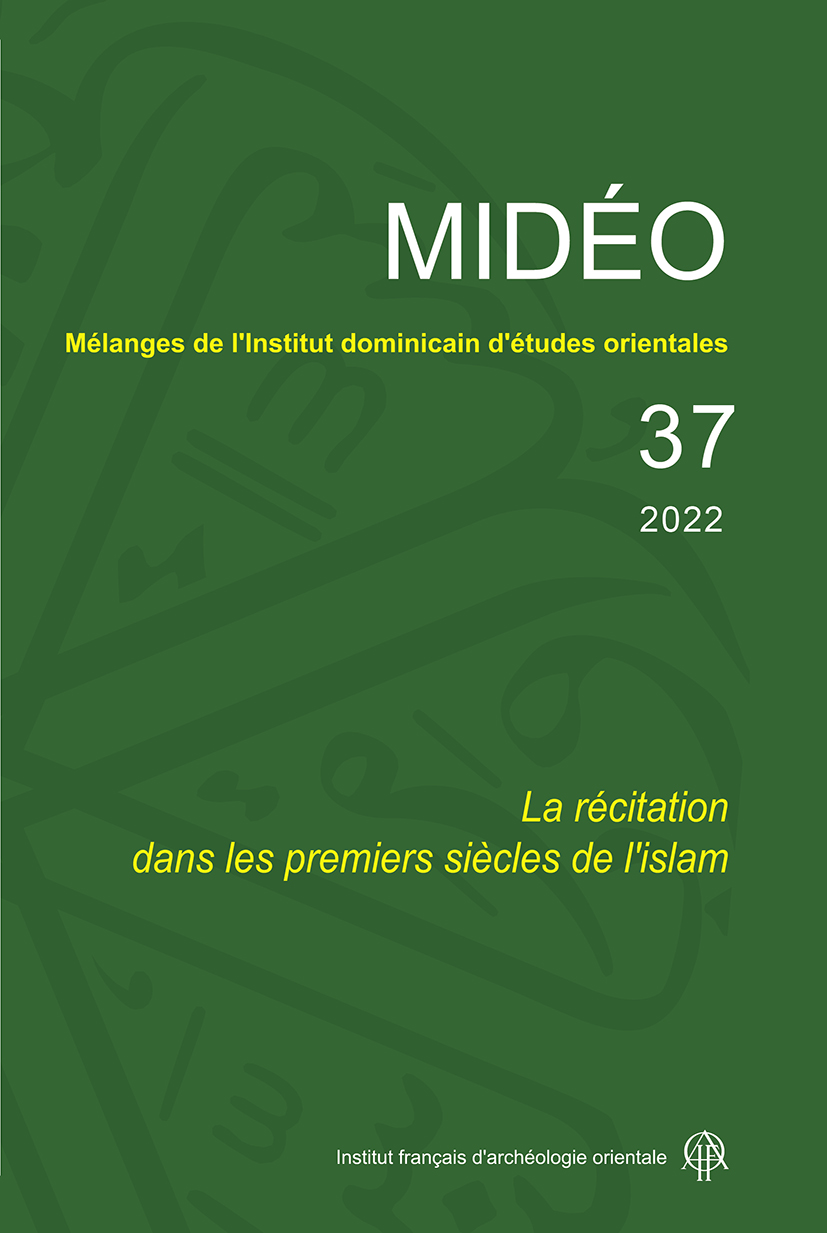
MIDÉO No. 37: Recitation in the early centuries of Islam
The history of reciting the Quran has been rarely studied. This volume comprises most of the papers presented at the Third IDEO Conference held in Cairo in October 2020 on reciting in the early Isl...
videos
Synthesis of the congress ‘Islam and Otherness’
Friar Emmanuel Pisani, Director of the Dominican Institute of Oriental Studies, Cairo 3rd International Congress of the PLURIEL network, from 23 to 27 May 2022 in Beirut. In partnership with the ...
publication
Heterodox and non-Muslim in the thought of Abū Ḥāmid al-Ġazālī
This study addresses the question of how to view and understand religious otherness from a Muslim perspective, in the light of one of its greatest thinkers. Starting from a questioning of the statu...

videos
al-Ġazālī, a figure of a magisterial authority?
Conference « Religious Authority in Islam », organised by the Centre for the Study of Cultures and Religions and the Research Unit of the Catholic University of Lyon (UCLy), on 18 and 19 November 2...
publication
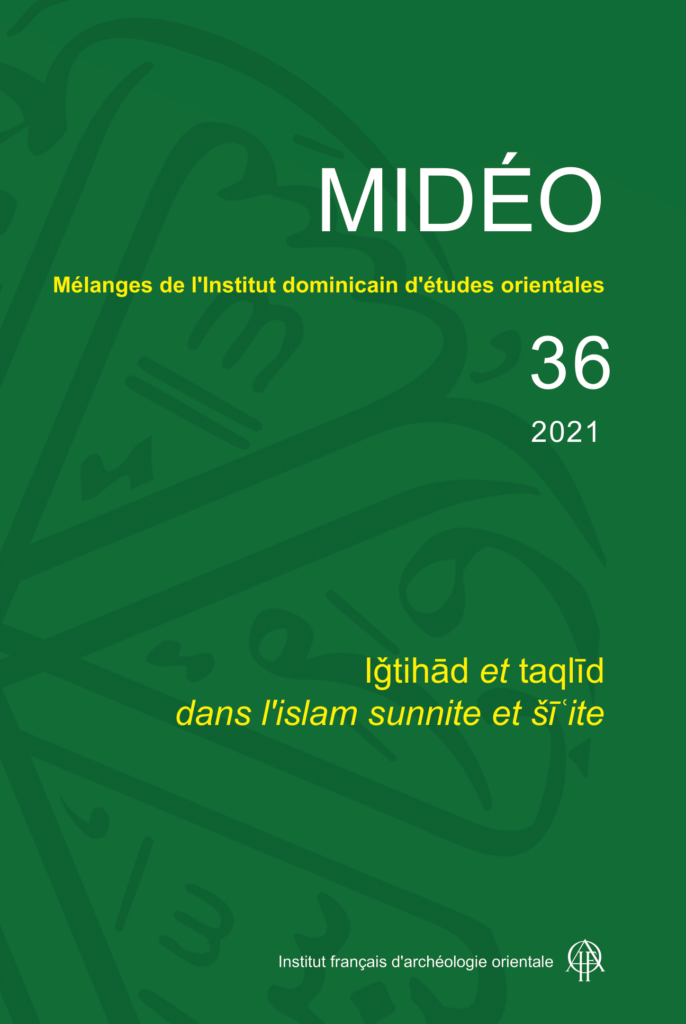
MIDEO 36 – Iǧtihād and taqlīd in Sunnī and Šīʿī Islam
The theme of iǧtihād and taqlīd, by pointing to the notional antagonism between independent reasoning on the one hand and submission to the argument of authority on the other, plunges us into the h...
publication
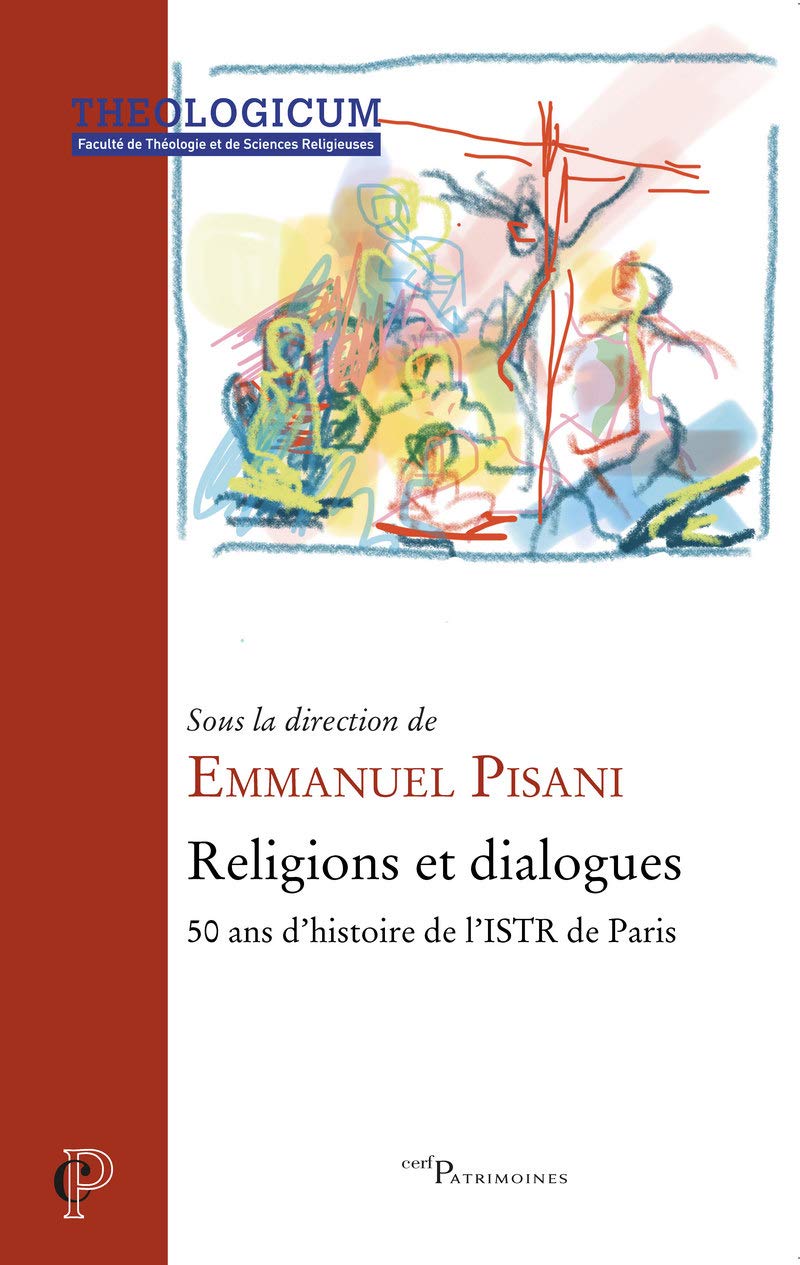
Religions and dialogues
Founded in 1967 in the wake of the Vatican Council II at the request of the missionary congregations and of Rome, by Fathers Jean Daniélou and Henri Bouillard, the Paris Institute of Science and Th...
publication
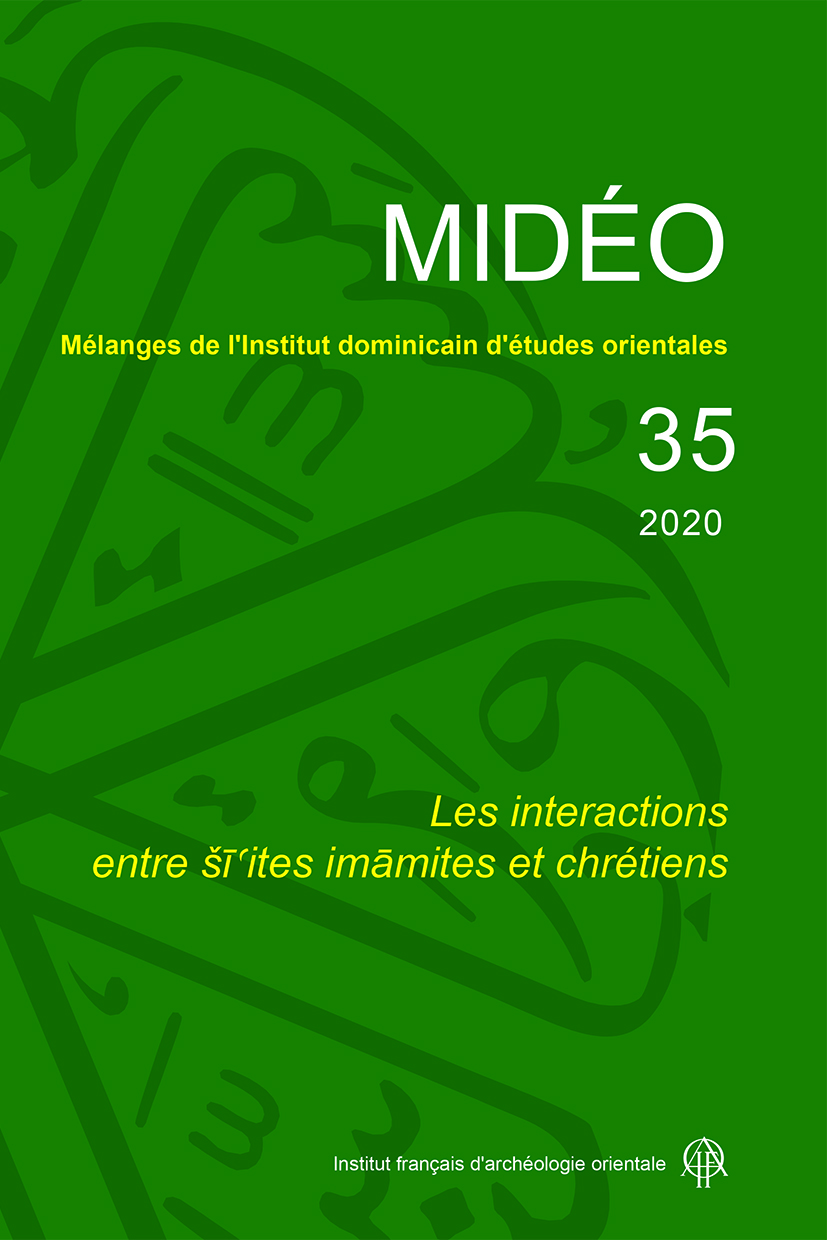
MIDEO 35 – Interactions between Twelver Shiites and Christians
This volume 35 is made up of a dossier gathering most of the papers presented at the conference held in April 2018 at the Institut Catholique de Paris on the interactions between Imamites and Chris...
Resources related to Theology of Religions

article
Leo XIV’s encyclical Magnifica Humanitas and the Pluriel working group on AI-assisted interreligious dialogue
- Wael Saleh
Text by Wael Saleh, researcher at the Université du Québec à Montréal (UQAM) and member of the Pluriel coordination committee. The simultaneous appearance of Leo XIV's encyclical Magnifica Human...
publication
The Recognition of a Hummingbird. Essays on Interreligious Dialogue and Missionary Work (2007-2025)
- Rémi Caucanas
Published in May 2026 by PISAI (Pontifical Institute for Arabic and Islamic Studies, Rome), this collection brings together the essays of Rémi Caucanas on interreligious dialogue and missionary wor...
videos
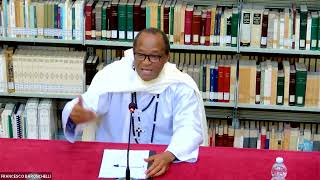
From Lavigerie to PISAI: The Institutional History of the Missionaries of Africa’s Engagement with Islam
Delivered on 21 May 2026 at the Pontifical Institute for Arabic and Islamic Studies (PISAI) in Rome, this lecture opens the series of conferences marking the institute's centenary (1926-2026). Fr. ...
publication
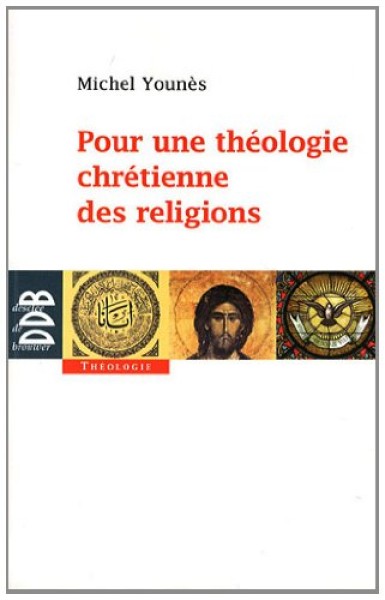
For a Christian Theology of Religions
- Michel Younès
Faced with contemporary religious diversity, how can Christian theology make sense of the place that other religions occupy in God’s design? Michel Younès examines the three traditional ̶...
publication
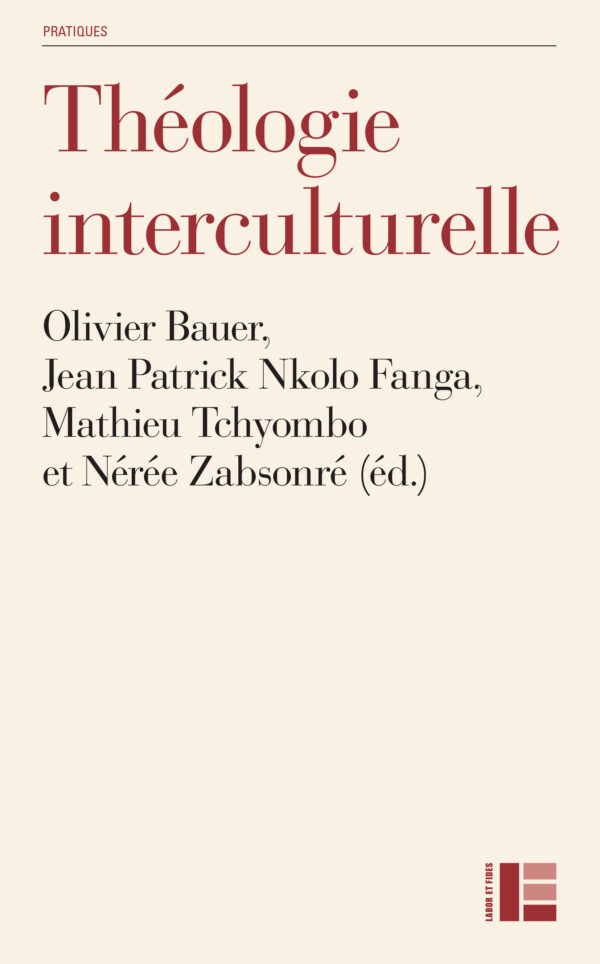
Intercultural Theology
- Jean Patrick Nkolo Fanga
Because every theology is culturally situated, Christian theology is inevitably multicultural. Yet one step remains to be taken: to become intercultural. Crossing languages, contexts, origins, ages...
article
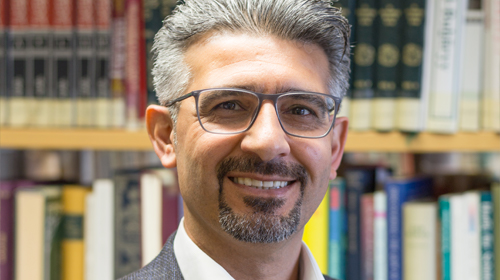
Bells and Muezzin in Harmony: Dialogue with Islam as a Spiritual Responsibility
- Timo Güzelmansur
Article by Timo Güzelmansur published under the title Glocken und Muezzin im Einklang. Der Dialog mit dem Islam als geistliche Verantwortung in Herder Korrespondenz (special issue devoted to Pope L...
publication
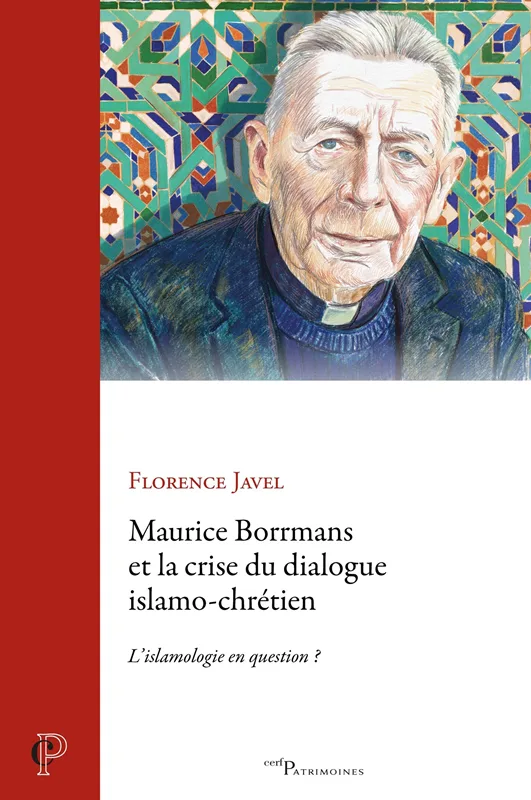
Maurice Borrmans and the Crisis of Christian-Muslim Dialogue. Islamic studies in Question?
- Florence Javel
In 2025-2026, we mark the sixtieth anniversary of the Second Vatican Council and of the declaration Nostra aetate (28 October 1965). One century earlier, in October 1925, Maurice Borrmans was born ...
videos
Opening address of the Cordoba congress
- Michel Younès
On Tuesday 10 February 2026 in Cordoba, Michel Younès, general coordinator of Pluriel and dean of the Faculty of Theology of the Catholic University of Lyon (UCLy), delivered the opening address of...