
“The Right to Religious Freedom: A ‘Special’ Right?”, Revue du droit des religions No. 22
Issue 22 of the Revue du droit des religions, published by Presses universitaires de Strasbourg, comes out on 19 November 2026. Its thematic section, “Le droit à la liberté religieuse : un droit ‘spécial’ ?” (“The Right to Religious Freedom: A ‘Special’ Right?”), is edited by Alessandro Ferrari, Professor of Ecclesiastical Law and Comparative Law of Religions at the University of Insubria and a member of Pluriel.
Religion retains a special place in legal systems founded on equality, neutrality, freedom of conscience and the generality of the law. Is this singularity a privilege inherited from history, a guarantee of freedom, an instrument of control or a technique for governing pluralism? The contrasting models of England, Germany, France, Italy and Spain show that this special status takes many forms, and invite us to move beyond binary oppositions between separation and cooperation, secularism and state religion, ordinary law and special law.
Outside the thematic section, two texts deal directly with Islam: Anne-Sophie Lamine’s article on how Muslim media frame France’s reinforced secularism as a policy for preventing radicalisation, and Francis Messner’s chronicle on the departmental councils of the Muslim faith in France.
Contents
Thematic section, edited by Alessandro Ferrari:
- Alessandro Ferrari, “Avant-propos. La spécialité juridique du facteur religieux : héritages nationaux, recompositions contemporaines”;
- Anne Fornerod, “La spécificité du fait religieux en droit français au prisme de la liberté de religion”;
- Javier García Oliva and Helen Hall, “How and Why Does Religion Occupy a Unique Place Within the Legal Framework of England?”;
- Hans Michael Heinig and Till Nima Albers, “Coordination, Cooperation, Neutrality: The (Un)Special Status of Religion in German Constitutional Law”;
- Alessandro Ferrari, “La religion comme spécialité juridique : parabole italienne d’un modèle westphalien”;
- Miguel Rodríguez Blanco, “The Legal Concept of Religion in the Spanish System of Cooperation”.
Varia and chronicles:
- Anne-Sophie Lamine, “French Reinforced Secularism as a Radicalization Prevention Policy: A Muslim Media Framing”;
- Francis Messner, “Entre politique publique et désorganisation religieuse. Les conseils départementaux du culte musulman, une solution pour l’organisation de l’Islam en France ?”;
- Jean-Marie Woehrling, “Questions sur l’immunité juridictionnelle attribuée à des instances religieuses. Observations relatives à l’arrêt de la Cour de cassation du 4 avril 2025”.
The issue is in French and English.
Le numéro 22 de la Revue du droit des religions, publiée par les Presses universitaires de Strasbourg, paraît le 19 novembre 2026. Son dossier, « Le droit à la liberté religieuse : un droit “spécial” ? », est coordonné par Alessandro Ferrari, professeur de droit ecclésiastique et de droit comparé des religions à l’Université de l’Insubrie et membre de Pluriel.
La religion conserve une place spéciale dans des régimes juridiques fondés sur l’égalité, la neutralité, la liberté de conscience et la généralité de la loi. Cette singularité est-elle un privilège hérité de l’histoire, une garantie de liberté, un instrument de contrôle ou une technique pour gouverner le pluralisme ? Les modèles contrastés de l’Angleterre, de l’Allemagne, de la France, de l’Italie et de l’Espagne montrent que cette spécialité prend des formes variées et invitent à dépasser les oppositions binaires entre séparation et coopération, laïcité et religion d’État, droit commun et droit spécial.
Hors dossier, deux textes portent directement sur l’islam : l’article d’Anne-Sophie Lamine sur la manière dont les médias musulmans présentent la laïcité française renforcée comme une politique de prévention de la radicalisation, et la chronique de Francis Messner sur les conseils départementaux du culte musulman.
Sommaire
Dossier « Le droit à la liberté religieuse : un droit “spécial” ? », coordonné par Alessandro Ferrari :
- Alessandro Ferrari, « Avant-propos. La spécialité juridique du facteur religieux : héritages nationaux, recompositions contemporaines » ;
- Anne Fornerod, « La spécificité du fait religieux en droit français au prisme de la liberté de religion » ;
- Javier García Oliva et Helen Hall, « How and Why Does Religion Occupy a Unique Place Within the Legal Framework of England? » ;
- Hans Michael Heinig et Till Nima Albers, « Coordination, Cooperation, Neutrality: The (Un)Special Status of Religion in German Constitutional Law » ;
- Alessandro Ferrari, « La religion comme spécialité juridique : parabole italienne d’un modèle westphalien » ;
- Miguel Rodríguez Blanco, « The Legal Concept of Religion in the Spanish System of Cooperation ».
Varia et chroniques :
- Anne-Sophie Lamine, « French Reinforced Secularism as a Radicalization Prevention Policy: A Muslim Media Framing » ;
- Francis Messner, « Entre politique publique et désorganisation religieuse. Les conseils départementaux du culte musulman, une solution pour l’organisation de l’Islam en France ? » ;
- Jean-Marie Woehrling, « Questions sur l’immunité juridictionnelle attribuée à des instances religieuses. Observations relatives à l’arrêt de la Cour de cassation du 4 avril 2025 ».
Le numéro est en français et en anglais.
يصدر العدد 22 من «مجلة قانون الأديان» (Revue du droit des religions)، التي تنشرها مطبوعات جامعة ستراسبورغ، في 19 نوفمبر/تشرين الثاني 2026. ويحمل ملفّه عنوان «الحق في الحرية الدينية: حقٌّ “خاص”؟»، ويشرف عليه ألِسّاندرو فيراري، أستاذ القانون الكنسي والقانون المقارن للأديان في جامعة إنسوبريا والعضو في المنصة الجامعية للدراسات حول الإسلام.
لا يزال الدين يحتلّ مكانة خاصة في أنظمة قانونية تقوم على المساواة والحياد وحرية الضمير وعمومية القانون. فهل هذه الخصوصية امتيازٌ موروث من التاريخ، أم ضمانةٌ للحرية، أم أداةٌ للرقابة، أم تقنيةٌ لإدارة التعددية؟ وتُبيّن النماذج المتباينة في إنجلترا وألمانيا وفرنسا وإيطاليا وإسبانيا أن هذه الخصوصية تتّخذ أشكالًا متنوّعة، وتدعو إلى تجاوز الثنائيات بين الفصل والتعاون، وبين العلمانية ودين الدولة، وبين القانون العام والقانون الخاص.
وخارج الملف، يتناول نصّان الإسلام مباشرة: مقال آن صوفي لامين عن الطريقة التي تقدّم بها وسائل الإعلام الإسلامية العلمانيةَ الفرنسية المعزَّزة بوصفها سياسةً للوقاية من التطرّف، وتعليق فرنسيس مِسنر على المجالس المحلية للديانة الإسلامية في فرنسا.
المحتويات
الملف، بإشراف ألِسّاندرو فيراري:
- ألِسّاندرو فيراري، «تقديم: الخصوصية القانونية للعامل الديني، بين الموروثات الوطنية وإعادة التشكّل المعاصرة»؛
- آن فورنرو، «خصوصية الظاهرة الدينية في القانون الفرنسي في ضوء حرية الدين»؛
- خافيير غارسيا أوليفا وهيلين هول، «كيف ولماذا يحتلّ الدين مكانة فريدة في الإطار القانوني لإنجلترا؟»؛
- هانس ميخائيل هاينيغ وتيل نيما ألبرس، «التنسيق والتعاون والحياد: الوضع (غير) الخاص للدين في القانون الدستوري الألماني»؛
- ألِسّاندرو فيراري، «الدين بوصفه خصوصية قانونية: مَثَلٌ إيطالي لنموذج وستفالي»؛
- ميغيل رودريغيث بلانكو، «المفهوم القانوني للدين في النظام الإسباني القائم على التعاون».
مقالات متنوّعة وتعليقات:
- آن صوفي لامين، «العلمانية الفرنسية المعزَّزة بوصفها سياسةً للوقاية من التطرّف: تأطيرٌ في الإعلام الإسلامي»؛
- فرنسيس مِسنر، «بين السياسة العامة والتفكّك الديني: هل المجالس المحلية للديانة الإسلامية حلٌّ لتنظيم الإسلام في فرنسا؟»؛
- جان ماري فورلينغ، «أسئلة حول الحصانة القضائية الممنوحة لهيئات دينية: ملاحظات على قرار محكمة النقض الصادر في 4 أبريل/نيسان 2025».
صدر العدد بالفرنسية والإنجليزية.
Revue du droit des religions, n° 22 : « Le droit à la liberté religieuse : un droit “spécial” ? », Presses universitaires de Strasbourg, 2026.
By the same author on Pluriel
 Religious Freedom in Italy. An Unfinished Path (1848-2024)
Alessandro Ferrari Published under the original title La libertà religiosa in Italia. Un percorso incompiuto (1848-2024), this synthesis by Alessandro Ferrari, professor of ecclesiastical law and…
 Religious minorities between the Mediterranean shores: a study of the status of religious minorities in the Mediterranean context (REMiMEsO) – Final Report
Alessandro Ferrari The REMiMESo project, led by Ilaria Valenzi and supported by the Italian Ministry of Foreign Affairs, explores the situation of religious minorities in five…
 Religious Freedom in Italy. An Impossible Paradigm
Alessandro Ferrari Italy, seat of the Pope and Vatican City, has a long and difficult relationship with religious freedom. Often identified as a quintessentially Catholic nation,…
 Contemporary Issues in Islamic Law, Economics and Finance
Alessandro Ferrari · Flavia Cortelezzi This book explores how Islam can impact the structures and performance of firms, financial institutions and capital markets across a range of countries and…
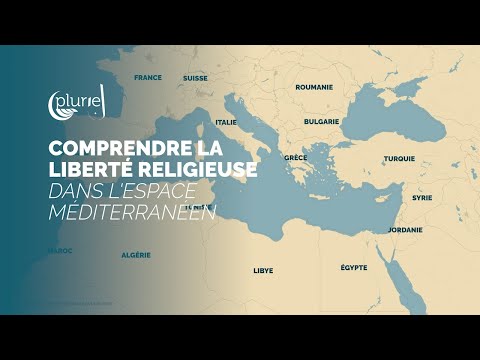 Understanding freedom of religion around the Mediterranean
Alessandro Ferrari · Amin Elias How to manage religious plurality? Three researchers from our network look back at the history of the northern, eastern and southern shores of the…
 The Question of Otherness in Classical Islam | Respondents
Michaela Quast-Neulinger · Tobias Specker · Alessandro Ferrari Following the lecture: "The question of Otherness in Classical Islam" given by Raja SAKRANI, three members of the scientific committee of the PLURIEL network…
Related resources: « Freedom of Religion »
 “Inclusive Citizenship, the Right to a Place of Worship and Everyday Peace”, by Antonio Angelucci
Antonio Angelucci In an article published in the Italian journal Coscienza e Libertà (no. 69, 2025), Antonio Angelucci, associate professor of law and religion at the…
 Freedom of conscience, a contested yet resilient right
Dominique Avon Rome. In a conference given on November 28, 2024, at the Pontifical Institute for Arabic and Islamic Studies, Professor Dominique Avon from the École…
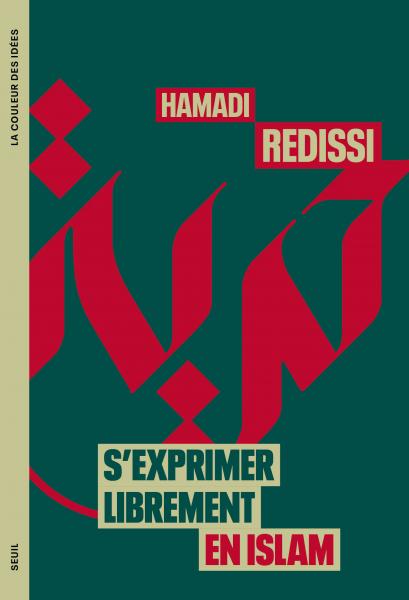 Speaking freely in Islam
Hamadi Redissi What is the Islamic doctrine of blasphemy, insult to God, religion and the Prophet? What about the prohibition of figurative representation of Muhammad? Can…
 Religions put to the test by freedom of expression
Michel Younès · Mohamed-Ali Mostfa · Malek Chaïeb “In the republican context, freedom of expression involves all the players in society and mobilises a wide range of intellectual resources. What then are…
 Exclusively for Adherents of ‘Divinely Revealed’ Religions?
Mohamed Gamal Ali How did the preparatory work for the Egyptian constitutions discuss issues of freedom of religion and belief? « The term “divinely revealed religions” is…
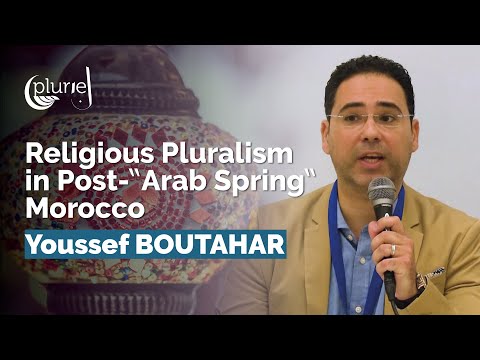 Religious Pluralism in Post-“Arab Spring” Morocco
Youssef Boutahar Title of the lecture : "Re-problematizing the Religious Majority-Minority Dialectics in Post-Arab Spring Morocco: Between Subalternity and Digital Disobedience" Given the debate currently prevailing…