


English

In today’s Egypt, a stronger foundation for political violence
Political repression in Egypt ravaged the Jama’at al Ikhwan al Muslimiin, the Muslim Brotherhood, formerly the strongest and most organized opposition group in the country. In today’s Egypt, the youth no longer recognize the old administration. They no longer believe in the non-violent tactics preached by the Brotherhood’s exiled former leadership, like Mahmud ‘Ezzat and Ibrahim Munir.
Titre original : “In Today’s Egypt Stronger Roots for Political Violence”
Résumé
La répression politique en Égypte a ravagé la Jama’at al Ikhwan al Muslimiin, les Frères musulmans, autrefois le groupe d’opposition le plus fort et le plus organisé du pays. Dans l’Égypte d’aujourd’hui, les jeunes ne reconnaissent plus l’ancienne administration. Ils ne croient plus aux tactiques non violentes prêchées par les anciens dirigeants exilés de la “Fraternité”, comme Mahmud ‘Ezzat et Ibrahim Munir.
 Download PDF


Resources of this researcher
Resources related to Arab Springs

publication
The Epistemological Other in Studies of Islamism: From Postcolonialism to Systemic Epistemic Alterity
- Wael Saleh
Wael Saleh, a member of Pluriel‘s coordination committee, has published a new study in Arabic with TRENDS Research & Advisory (Abu Dhabi). Released on 21 October 2026 under the title الآخ...
article
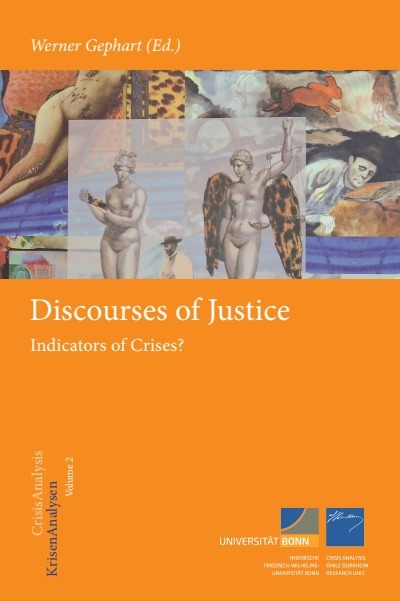
Justice in Islamic Discourse
- Raja Sakrani
Abstract Published in the edited volume Discourses of Justice. Indicators of Crises?, edited by Werner Gephart (Klostermann, "KrisenAnalysen" series, 2026, pp. 253-272), this chapter by Raja Sak...
article
Al-Azhar and Politics in Egypt in the Post-Arab Spring: Al-Azhar’s Position within State-Society Relations (2011-2021)
- Mohamed Gamal Ali
Presentation This chapter analyses the transformations of al-Azhar's position within state-society relations in Egypt, from the 2011 revolution to 2021. A centuries-old religious institution, al-Az...
publication
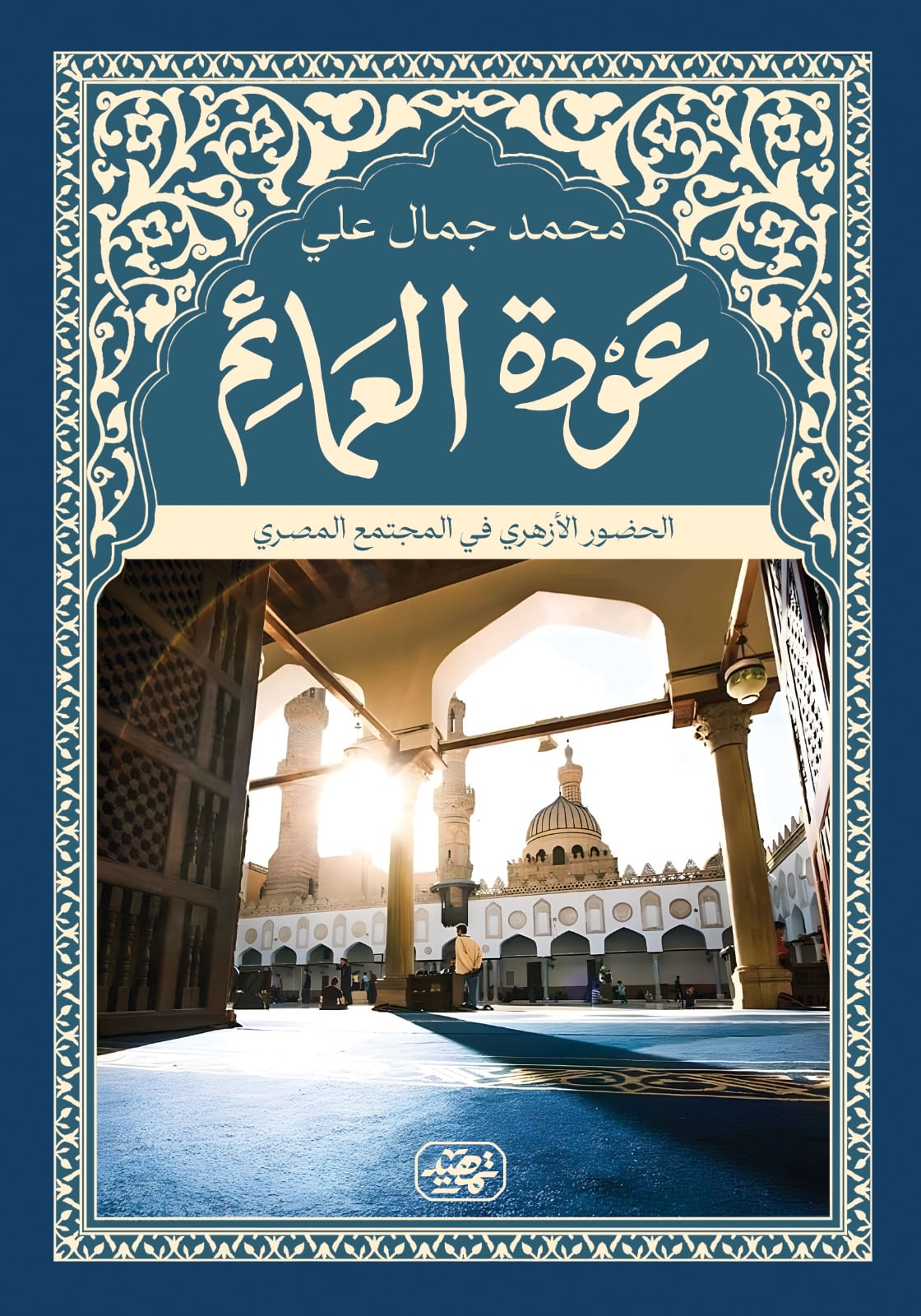
The Return of Turbans. Al-Azhar’s Presence in Egyptian Society
- Mohamed Gamal Ali
Published in late 2024, “The Return of the Turbans: Al-Azhar’s Presence in Egyptian Society” is the culmination of Mohamad Gamal Ali’s master’s thesis in political sci...

publication
“Christian-Muslim Relations in the Aftermath of the Arab Spring Beyond the Polemics over ‘The Innocence of Muslims'”
- Anna Hager
In September 2012, the video “The Innocence of Muslims” sparked outrage and demonstrations in the Middle East by depicting an attack against Copts by a Muslim group, associated with the...

videos
Religious Pluralism in Post-“Arab Spring” Morocco
- Youssef Boutahar
Title of the lecture : "Re-problematizing the Religious Majority-Minority Dialectics in Post-Arab Spring Morocco: Between Subalternity and Digital Disobedience" Given the debate currently prevai...
publication
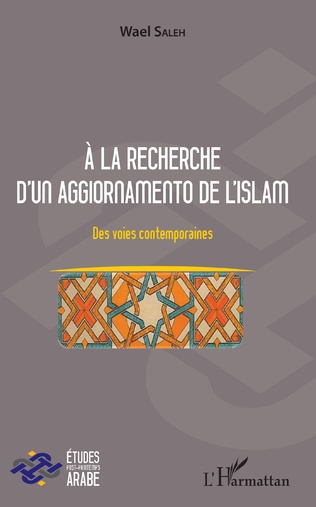
In search of an aggiornamento of Islam. Contemporary approaches
- Wael Saleh
Can the upheavals in the Arab-Muslim world lead to an aggiornamento regulating the link between religion and politics and making it possible to live better together in peace? To answer this questio...
article
In today’s Egypt, a stronger foundation for political violence
- Paolo Gonzaga Paolo
Political repression in Egypt ravaged the Jama’at al Ikhwan al Muslimiin, the Muslim Brotherhood, formerly the strongest and most organized opposition group in the country. In today’s Egypt, the yo...