


Français

Islam and the question of honor: the Quranic point of view and Ghazali’s reflection
Honor is a theme of reflection present in Islam, both in its sources and in its “legal”, moral, and spiritual reflection. The Quran operates a moral and religious revolution by making man’s position before the one God the sole criterion of a truly successful human life, rejecting as futile everything that previously assured him glory, honor, and recognition among his contemporaries. The Prophet, “the creature who occupies the highest rank before Him,” is presented by traditionists as a humble servant rather than as a king defending his honor. The jurist and theologian Ghazali finely analyzes man’s appetite for honor by describing its causes and offering treatments to get rid of it since it is one of the paths leading to perdition, even if the author also recognizes its rightful place in human life.
L’honneur est un thème de réflexion présent en islam aussi bien dans ses sources que dans sa réflexion “juridique”, morale et spirituelle. Le Coran opère une révolution morale et religieuse en faisant de la position de l’homme auprès du Dieu unique le seul critère d’une vie humaine véritablement réussie, rejetant comme futile tout ce qui auparavant lui assurait gloire, honneur et reconnaissance auprès de ses contemporains. Le Prophète, « la créature qui occupe le rang le plus haut auprès de Lui », est présenté par les traditionnistes comme un humble serviteur plutôt que comme un roi défendant son honneur. Le juriste et théologien Ghazâlî analyse finement l’appétit de l’homme pour l’honneur en en décrivant les causes et en offrant des traitements pour s’en défaire puisqu’il est une des voies menant à la perdition, même si l’auteur lui reconnaît également une juste place dans la vie humaine.
الشرف موضوع للتأمل موجود في الإسلام في مصادره وكذلك في تفكيره “القانوني” والأخلاقي والروحي. يحدث القرآن ثورة أخلاقية ودينية بجعل مكانة الإنسان عند الله الواحد المعيار الوحيد لحياة إنسانية ناجحة حقًا، رافضًا كل ما كان يضمن له سابقًا المجد والشرف والاعتراف بين معاصريه باعتباره أمرًا تافهًا. يقدم المحدثون النبي، “المخلوق الذي يحتل أعلى مرتبة عنده”، كخادم متواضع بدلاً من ملك يدافع عن شرفه. يحلل الفقيه واللاهوتي الغزالي بدقة شهية الإنسان للشرف بوصف أسبابها وتقديم علاجات للتخلص منها، حيث إنها أحد الطرق المؤدية إلى الهلاك، حتى لو اعترف المؤلف أيضًا بمكانتها المشروعة في الحياة الإنسانية.


Author(s)

Resources of this researcher
article
Islam and the question of honor: the Quranic point of view and Ghazali’s reflection
Honor is a theme of reflection present in Islam, both in its sources and in its "legal", moral, and spiritual reflection. The Quran operates a moral and religious revolution by making man's positio...

article
Living together with Muslims in Europe. Overcoming fear: a “spiritual exercise”
Original title : "Vivre ensemble avec des Musulmans en Europe. Dépasser la peur : un « exercice spirituel" In many European countries, the recent arrival of Muslims who have not directly shared...
Resources related to Ethics
videos
Artificial Intelligence, a New God? Christian and Muslim Perspectives
On 20 October 2026, the Centre for Interreligious Studies (ZIRS) at the University of Innsbruck, a partner institution of Pluriel, opened the semester of its online interreligious conversation seri...
publication
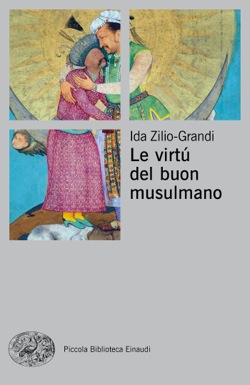
The Virtues of the Good Muslim
- Ida Zilio-Grandi
Published in 2025 by Edizioni Ca’ Foscari in Venice, this monograph by Ida Zilio-Grandi (Ca’ Foscari University) is the augmented English translation of Le virtù del buon Musulmano, fir...
videos
“War and peace”, by Adrien Candiard
On Wednesday 20 May 2026, the Dominican Institute for Oriental Studies (IDEO) hosted in Cairo a lecture by Brother Adrien Candiard, Dominican and Islamologist, on the theme "War and peace". Faced w...

article
Leo XIV’s encyclical Magnifica Humanitas and the Pluriel working group on AI-assisted interreligious dialogue
- Wael Saleh
Text by Wael Saleh, researcher at the Université du Québec à Montréal (UQAM) and member of the Pluriel coordination committee. The simultaneous appearance of Leo XIV's encyclical Magnifica Human...
videos
Opening address of the Cordoba congress
- Michel Younès
On Tuesday 10 February 2026 in Cordoba, Michel Younès, general coordinator of Pluriel and dean of the Faculty of Theology of the Catholic University of Lyon (UCLy), delivered the opening address of...
publication
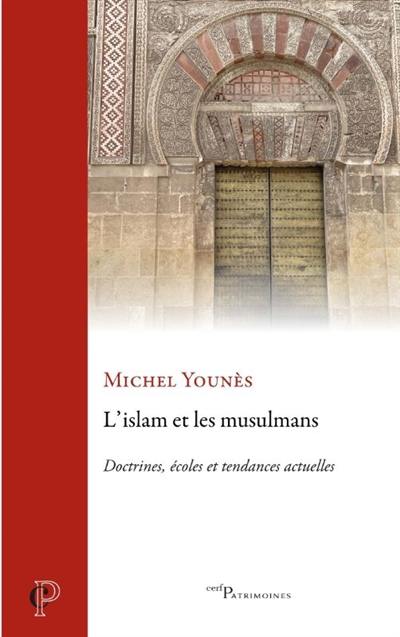
Islam and Muslims. Doctrines, Schools of Thought, and Current Trends
- Michel Younès
Publication date: April 16, 2026. Islam, as a historical, religious, and civilizational reality, is difficult to define. It can be perceived as a form of political governance, an expression of fait...

videos
“Welcome to Hell”: eschatology in the literary work of Dževad Karahasan
Paper presented at the fifth international congress of the University Platform for Research on Islam (Pluriel), held in Cordoba from 10 to 14 February 2026 on the theme "Ethics and Aesthetics in Is...

videos
Hospitality, power and interreligious dialogue in Naguib Mahfouz’s “Children of the Alley”
- Gabriel Khairallah
Paper presented at the fifth international congress of the University Platform for Research on Islam (Pluriel), held in Cordoba from 10 to 14 February 2026 on the theme "Ethics and Aesthetics in Is...