
Law and Religion in Mediterranean Islam
Subtitle: National Reports on Safeguarding Religious Freedom: An Alternative Paradigm?
In the era of the “Arab Spring” and the profound transformations that the Muslim-majority countries of the southern shore of the Mediterranean are undergoing, it is of fundamental importance to reflect on the role of religion in the current process of “state-building”. The relationship between law (of the state) and religion (of the nation) seems to be taking on a new centrality as soon as the aspiration to a “democratic” organisation puts the focus not only on the strength of numbers necessary for the government of the political entity, but, above all, it could be said that the fundamental freedoms of democracy are the sine qua non.
The protection of religious freedom, in its positive and negative forms and in its various manifestations, is an essential test for the Muslim-majority states of the Mediterranean. This volume takes stock, for the first time, of the state of the right to religious freedom in the countries of “Mediterranean Islam” by dealing with all the nodes and the most central aspects – places of worship, protection and role of religious minorities, apostasy, the concrete meaning of the “Islamism” of the States – clarifying the present challenges and future prospects of a relationship, precisely that between State law and the Muslim religion, which is fundamental for the construction, between the two shores of the Mediterranean, of an area, not only geographical, of harmonious coexistence.
Sous-titre : Rapports nationaux sur la sauvegarde de la liberté religieuse : un paradigme alternatif ?
À l’époque du «printemps arabe», des transformations profondes que connaissent les pays à majorité musulmane de la rive sud de la Méditerranée, réfléchir sur le rôle de la religion dans le processus actuel de «state-building» est d’une importance fondamentale. Le rapport entre le droit (de l’Etat) et la religion (de la Nation) semble retrouver une nouvelle place centrale à partir du moment où l’aspiration à une organisation «démocratique» met au centre de l’attention non seulement la force des nombres nécessaire au gouvernement de l’ensemble politique mais, On pourrait dire surtout que les libertés fondamentales de la démocratie constituent la condition sine qua non.
La protection de la liberté religieuse, dans ses déclinaisons positives et négatives et dans ses différentes formes de manifestation, constitue un test incontournable pour les États à majorité musulmane de la Méditerranée. Ce volume fait le point, pour la première fois, de l’état du droit à la liberté religieuse dans les pays de l’«Islam méditerranéen» en traitant tous les nœuds et les aspects les plus centraux – lieux de culte, protection et rôle des minorités religieuses, apostasie, signification concrète de la «islamisme» des États – en clarifiant les défis présents et les perspectives d’avenir d’un rapport, celui précisément entre droit de l’État et religion musulmane, fondamental pour la construction, entre les deux rives de la Méditerranée, d’un espace, non seulement géographique, de coexistence harmonieuse.
Al tempo della «primavera araba», delle profonde trasformazioni che stanno vivendo i paesi a maggioranza musulmana della sponda Sud del Mediterraneo, riflettere sul ruolo della religione nell’attuale processo di «state-building» è di fondamentale importanza. Il rapporto tra diritto (dello Stato) e religione (della Nazione) sembra riacquistare nuova centralità dal momento in cui l’aspirazione ad un assetto «democratico» pone al centro dell’attenzione non solo la forza dei numeri necessaria al governo della compagine politica ma, si potrebbe dire soprattutto, le libertà fondamentali che della democrazia costituiscono il presupposto indispensabile. La tutela della libertà religiosa, nelle sue declinazioni positive e negative e nelle sue diverse forme di manifestazione, rappresenta un banco di prova ineludibile per gli Stati a maggioranza musulmana del Mediterraneo. Questo volume fa il punto, per la prima volta, dello stato del diritto di libertà religiosa nei paesi dell’«Islam mediterraneo» trattandone tutti i nodi e i risvolti più centrali – luoghi di culto, tutela e ruolo delle minoranze religiose, apostasia, significato concreto della «islamicità» degli Stati – chiarendo le sfide presenti e le prospettive future di un rapporto, quello appunto tra diritto dello Stato e religione musulmana, fondamentale per la costruzione, fra le due sponde del Mediterraneo, di uno spazio, non solo geografico, di armonica convivenza.
By the same author on Pluriel
 “The Right to Religious Freedom: A ‘Special’ Right?”, Revue du droit des religions No. 22
Alessandro Ferrari Issue 22 of the Revue du droit des religions, published by Presses universitaires de Strasbourg, comes out on 19 November 2026. Its thematic section,…
 Religious Freedom in Italy. An Unfinished Path (1848-2024)
Alessandro Ferrari Published under the original title La libertà religiosa in Italia. Un percorso incompiuto (1848-2024), this synthesis by Alessandro Ferrari, professor of ecclesiastical law and…
 Religious minorities between the Mediterranean shores: a study of the status of religious minorities in the Mediterranean context (REMiMEsO) – Final Report
Alessandro Ferrari The REMiMESo project, led by Ilaria Valenzi and supported by the Italian Ministry of Foreign Affairs, explores the situation of religious minorities in five…
 Religious Freedom in Italy. An Impossible Paradigm
Alessandro Ferrari Italy, seat of the Pope and Vatican City, has a long and difficult relationship with religious freedom. Often identified as a quintessentially Catholic nation,…
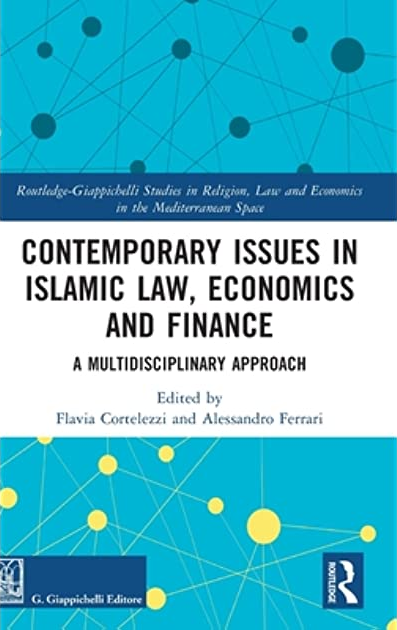 Contemporary Issues in Islamic Law, Economics and Finance
Alessandro Ferrari · Flavia Cortelezzi This book explores how Islam can impact the structures and performance of firms, financial institutions and capital markets across a range of countries and…
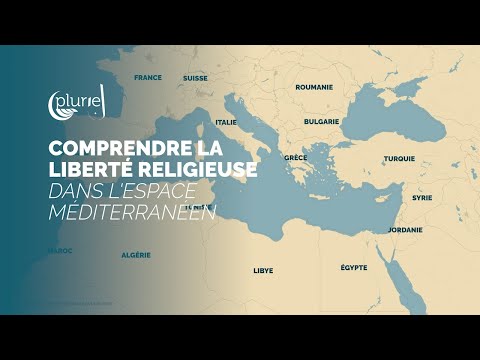 Understanding freedom of religion around the Mediterranean
Alessandro Ferrari · Amin Elias How to manage religious plurality? Three researchers from our network look back at the history of the northern, eastern and southern shores of the…
Related resources: « Freedom of Religion »
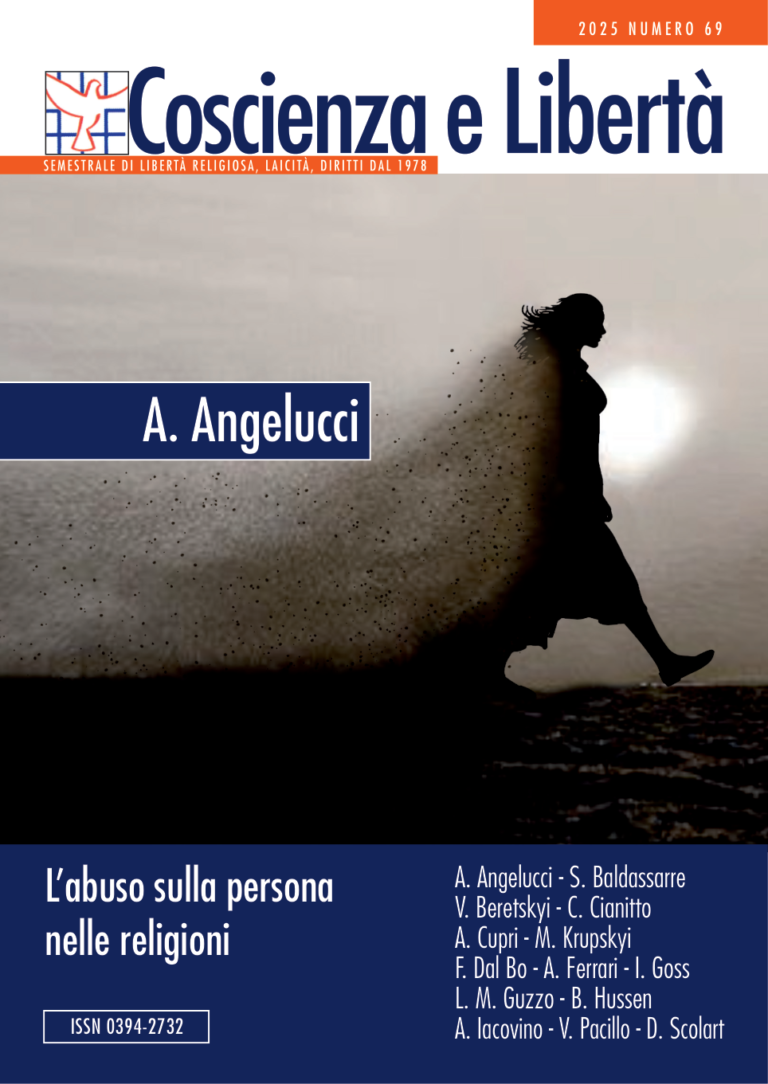 “Inclusive Citizenship, the Right to a Place of Worship and Everyday Peace”, by Antonio Angelucci
Antonio Angelucci In an article published in the Italian journal Coscienza e Libertà (no. 69, 2025), Antonio Angelucci, associate professor of law and religion at the…
 Freedom of conscience, a contested yet resilient right
Dominique Avon Rome. In a conference given on November 28, 2024, at the Pontifical Institute for Arabic and Islamic Studies, Professor Dominique Avon from the École…
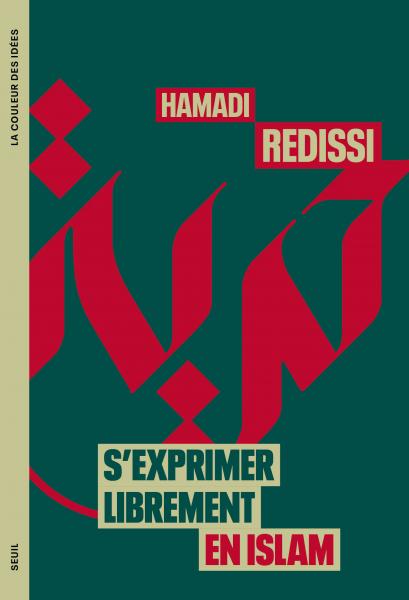 Speaking freely in Islam
Hamadi Redissi What is the Islamic doctrine of blasphemy, insult to God, religion and the Prophet? What about the prohibition of figurative representation of Muhammad? Can…
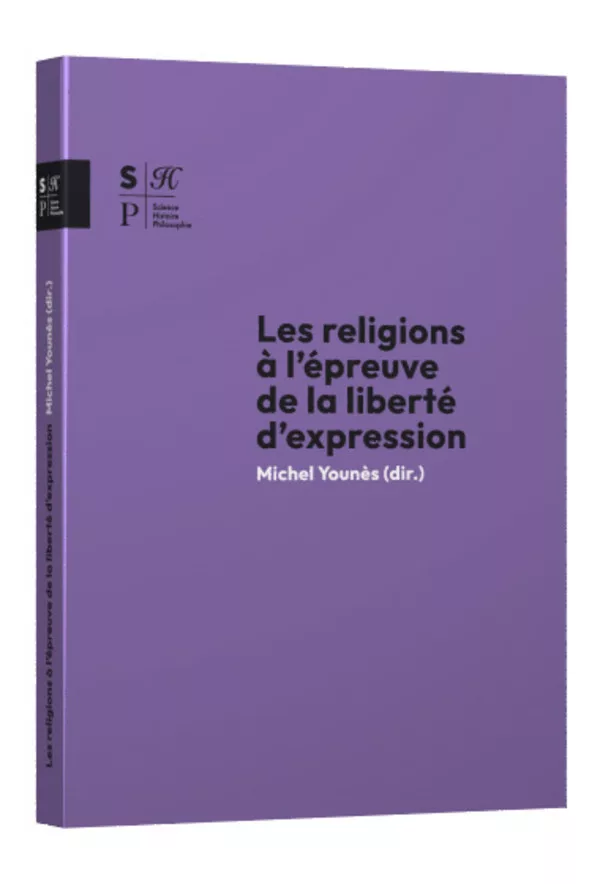 Religions put to the test by freedom of expression
Michel Younès · Mohamed-Ali Mostfa · Malek Chaïeb “In the republican context, freedom of expression involves all the players in society and mobilises a wide range of intellectual resources. What then are…
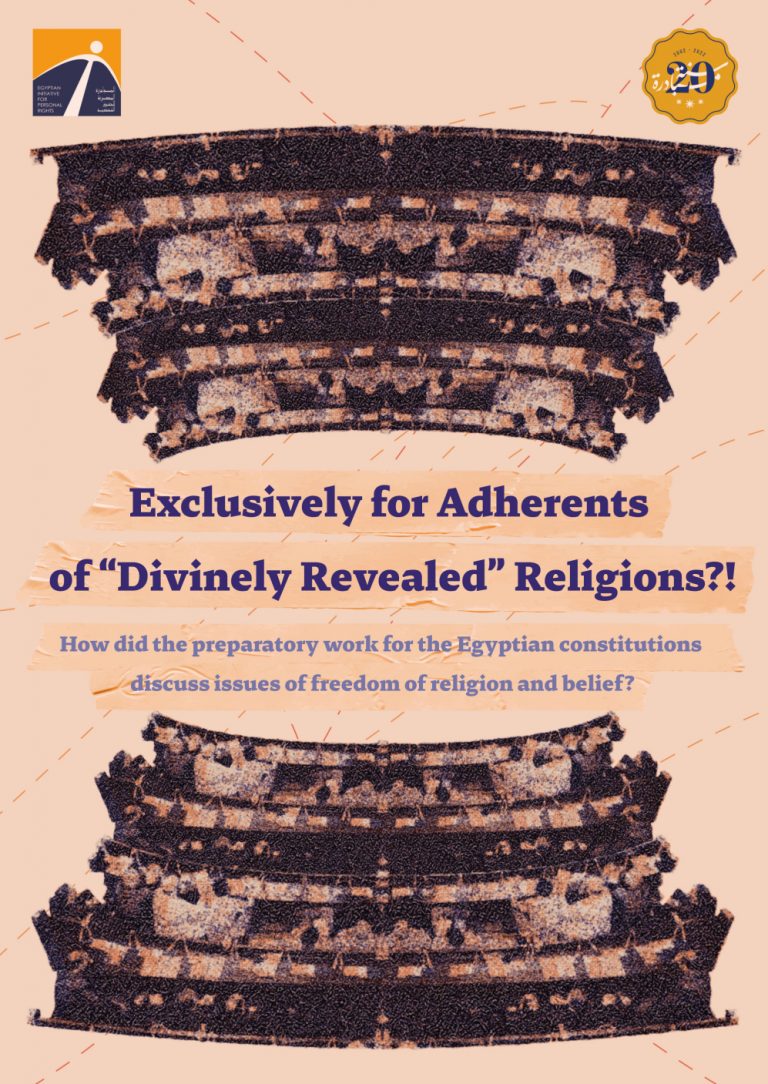 Exclusively for Adherents of ‘Divinely Revealed’ Religions?
Mohamed Gamal Ali How did the preparatory work for the Egyptian constitutions discuss issues of freedom of religion and belief? « The term “divinely revealed religions” is…
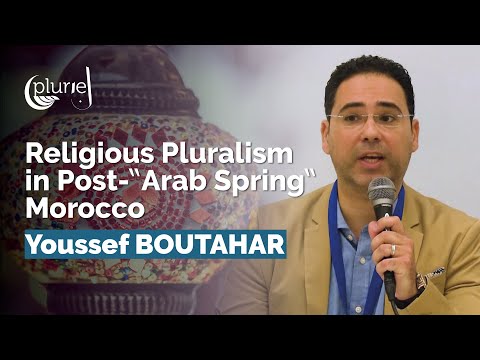 Religious Pluralism in Post-“Arab Spring” Morocco
Youssef Boutahar Title of the lecture : "Re-problematizing the Religious Majority-Minority Dialectics in Post-Arab Spring Morocco: Between Subalternity and Digital Disobedience" Given the debate currently prevailing…