
Religions and Constitutional Transitions in the Muslim Mediterranean
This book investigates the role of Islam and religious freedom in the constitutional transitions of six North African and Middle Eastern countries, namely Morocco, Algeria, Tunisia, Egypt, Turkey, and Palestine. In particular, the book, with an interdisciplinary approach, investigates the role of Islam as a political, institutional and societal force. Issues covered include: the role played by Islam as a constitutional reference – a “static force” able to strengthen and legitimize the entire constitutional order; Islam as a political reference used by some political parties in their struggle to acquire political power; and Islam as a specific religion that, like other religions in the area, embodies diverse perspectives on the nature and role of religious freedom in society. The volume provides insight about the political dimension of Islam, as used by political forces, as well as the religious dimension of Islam. This provides a new and wider perspective able to take into account the increasing social pluralism of the South-Mediterranean region. By analyzing three different topics – Islam and constitutionalism, religious political parties, and religious freedom – the book offers a dynamic picture of the role played by Islam and religious freedom in the process of state-building in a globalized age in which human rights and pluralism are crucial dimensions.
Edited by Alessandro Ferrari and James Toronto
Ce livre étudie le rôle de l’islam et de la liberté religieuse dans les transitions constitutionnelles de six pays d’Afrique du Nord et du Moyen-Orient, à savoir le Maroc, l’Algérie, la Tunisie, l’Égypte, la Turquie et la Palestine. En particulier, le livre, avec une approche interdisciplinaire, étudie le rôle de l’Islam en tant que force politique, institutionnelle et sociétale. Les questions abordées comprennent : le rôle joué par l’Islam en tant que référence constitutionnelle – une “force statique” capable de renforcer et de légitimer l’ensemble de l’ordre constitutionnel ; l’Islam en tant que référence politique utilisée par certains partis politiques dans leur lutte pour l’acquisition du pouvoir politique ; et l’Islam en tant que religion spécifique qui, comme d’autres religions de la région, incarne diverses perspectives sur la nature et le rôle de la liberté religieuse dans la société. L’ouvrage donne un aperçu de la dimension politique de l’islam, telle qu’elle est utilisée par les forces politiques, ainsi que de la dimension religieuse de l’islam. Il offre une perspective nouvelle et plus large capable de prendre en compte le pluralisme social croissant de la région sud-méditerranéenne. En analysant trois sujets différents – l’islam et le constitutionnalisme, les partis politiques religieux et la liberté religieuse – l’ouvrage offre une image dynamique du rôle joué par l’islam et la liberté religieuse dans le processus de construction de l’État à une époque de mondialisation où les droits de l’homme et le pluralisme sont des dimensions cruciales.
Sous la direction de Alessandro Ferrari et James Toronto
By the same author on Pluriel
 “The Right to Religious Freedom: A ‘Special’ Right?”, Revue du droit des religions No. 22
Alessandro Ferrari Issue 22 of the Revue du droit des religions, published by Presses universitaires de Strasbourg, comes out on 19 November 2026. Its thematic section,…
 Religious Freedom in Italy. An Unfinished Path (1848-2024)
Alessandro Ferrari Published under the original title La libertà religiosa in Italia. Un percorso incompiuto (1848-2024), this synthesis by Alessandro Ferrari, professor of ecclesiastical law and…
 Religious minorities between the Mediterranean shores: a study of the status of religious minorities in the Mediterranean context (REMiMEsO) – Final Report
Alessandro Ferrari The REMiMESo project, led by Ilaria Valenzi and supported by the Italian Ministry of Foreign Affairs, explores the situation of religious minorities in five…
 Religious Freedom in Italy. An Impossible Paradigm
Alessandro Ferrari Italy, seat of the Pope and Vatican City, has a long and difficult relationship with religious freedom. Often identified as a quintessentially Catholic nation,…
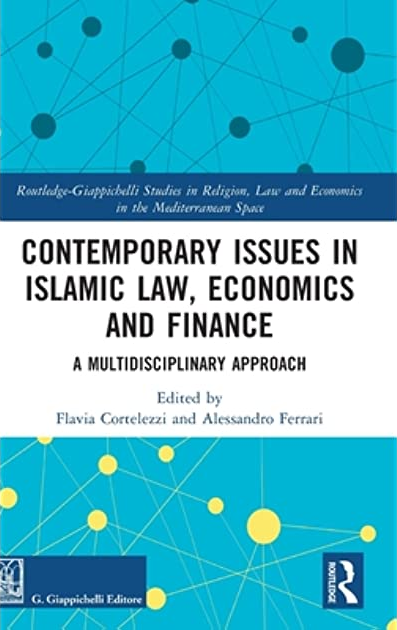 Contemporary Issues in Islamic Law, Economics and Finance
Alessandro Ferrari · Flavia Cortelezzi This book explores how Islam can impact the structures and performance of firms, financial institutions and capital markets across a range of countries and…
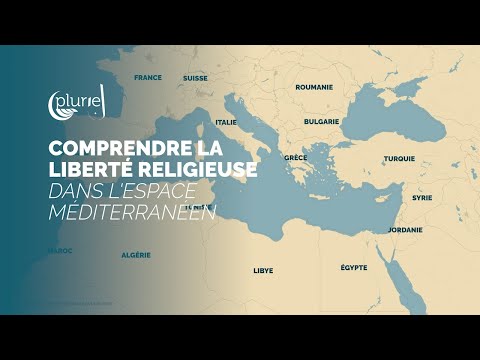 Understanding freedom of religion around the Mediterranean
Alessandro Ferrari · Amin Elias How to manage religious plurality? Three researchers from our network look back at the history of the northern, eastern and southern shores of the…
Related resources: « Freedom of Religion »
 “Inclusive Citizenship, the Right to a Place of Worship and Everyday Peace”, by Antonio Angelucci
Antonio Angelucci In an article published in the Italian journal Coscienza e Libertà (no. 69, 2025), Antonio Angelucci, associate professor of law and religion at the…
 Freedom of conscience, a contested yet resilient right
Dominique Avon Rome. In a conference given on November 28, 2024, at the Pontifical Institute for Arabic and Islamic Studies, Professor Dominique Avon from the École…
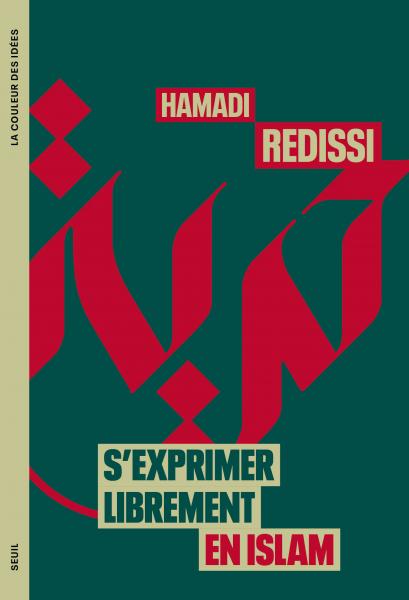 Speaking freely in Islam
Hamadi Redissi What is the Islamic doctrine of blasphemy, insult to God, religion and the Prophet? What about the prohibition of figurative representation of Muhammad? Can…
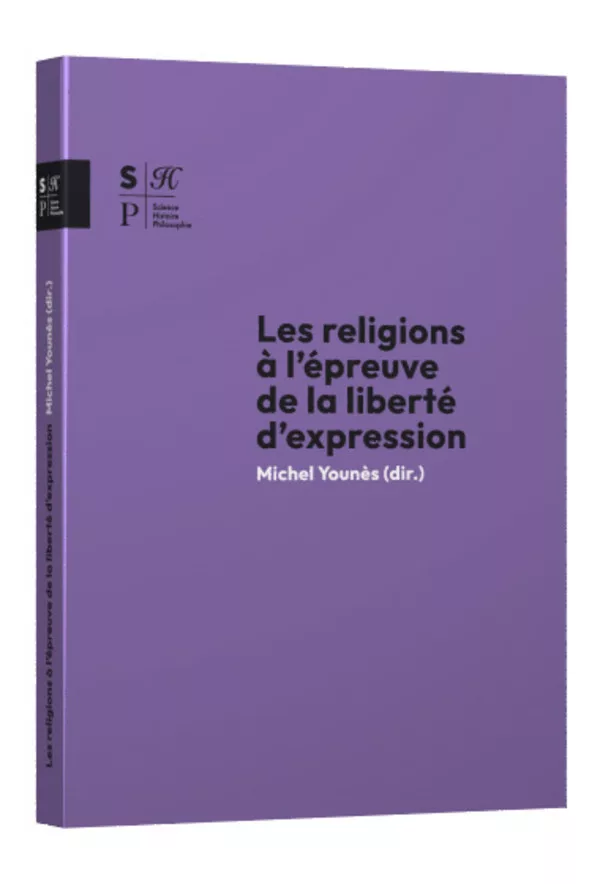 Religions put to the test by freedom of expression
Michel Younès · Mohamed-Ali Mostfa · Malek Chaïeb “In the republican context, freedom of expression involves all the players in society and mobilises a wide range of intellectual resources. What then are…
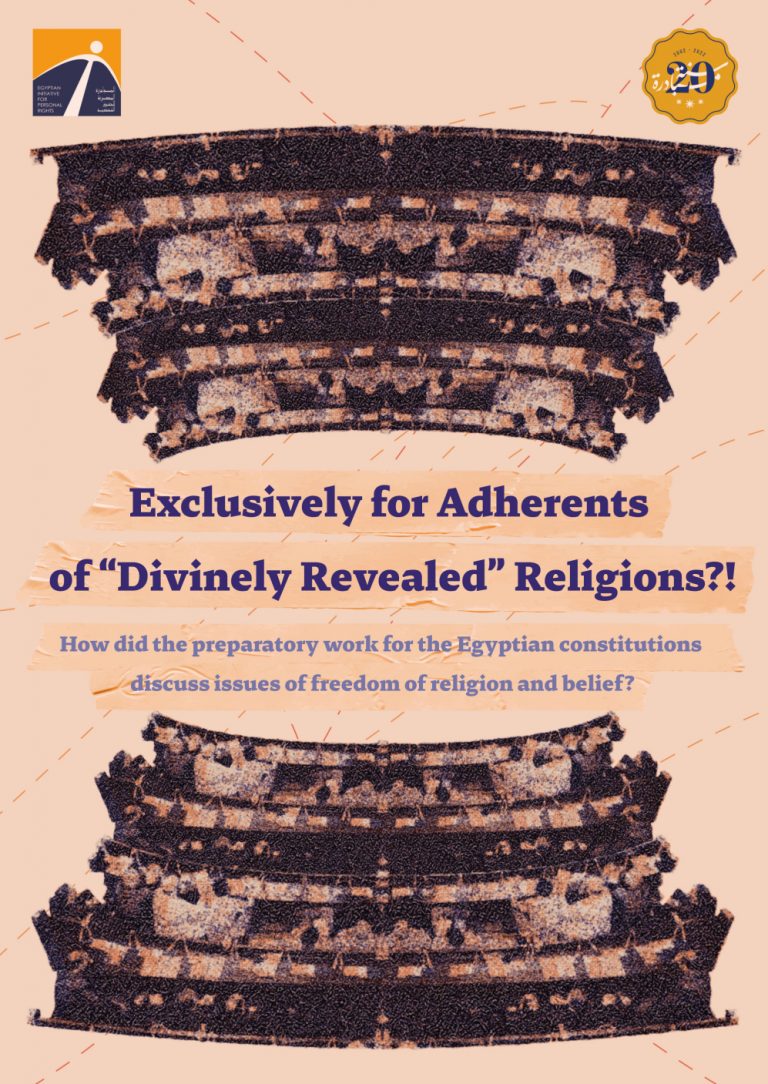 Exclusively for Adherents of ‘Divinely Revealed’ Religions?
Mohamed Gamal Ali How did the preparatory work for the Egyptian constitutions discuss issues of freedom of religion and belief? « The term “divinely revealed religions” is…
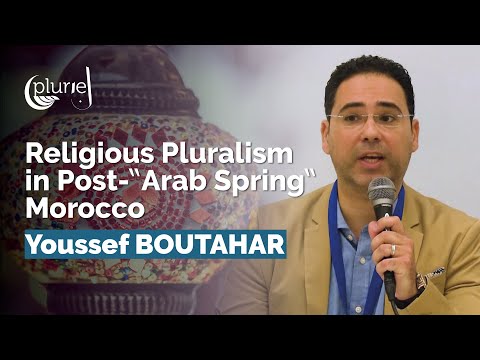 Religious Pluralism in Post-“Arab Spring” Morocco
Youssef Boutahar Title of the lecture : "Re-problematizing the Religious Majority-Minority Dialectics in Post-Arab Spring Morocco: Between Subalternity and Digital Disobedience" Given the debate currently prevailing…