

Français

For a dialogical theological fraternity: a rereading of the Document on Human Fraternity in light of the earliest Arabic theological writings
From the 8th century onwards, the first theological writings were composed in Arabic, either in Christian communities or in Muslim communities. This communication aims, through the study of these early Christian and Muslim treatises and their more or less intrinsic links, to show how brotherhood, before being a social or political reality, was, in late antiquity, a theological reality. By presenting some Christian and Muslim Arabic texts, a certain theological, or at least rational, brotherhood is outlined in a dialogical mode. It is then a matter of rereading the Document on Human Fraternity in light of what was experienced at the beginnings of the relationship between Christians and Muslims.
À partir du VIIIe siècle, les premiers écrits théologiques sont rédigés en arabe, soit dans les communautés chrétiennes ou dans les communautés musulmanes. Cette communication vise, par l’étude de ces primo-traités chrétiens et musulmans et leurs liens plus ou moins intrinsèques, à montrer comment la fraternité, avant d’être une réalité sociale ou politique, a été, dans l’antiquité tardive, une réalité théologique. En présentant quelques textes arabes chrétiens et musulmans, s’esquisse dans un mode dialogal une certaine fraternité théologique, ou tout du moins rationnelle. Il s’agit alors de relire le Document sur la fraternité humaine à la lumière de ce qui s’est vécu aux prémices de la relation entre chrétiens et musulmans.
Synthèse par Pluriel
Au 7ᵉ siècle, l’émergence de l’islam et l’expansion arabe ont conduit au développement d’une théologie en langue arabe, tant chez les musulmans que chez les chrétiens. Ce contexte a engendré de nouveaux défis et approches théologiques.
L’auteur présente deux textes importants :
- Une apologie chrétienne du 8ᵉ siècle, qui utilise un langage simple, évitant les catégories philosophiques grecques. L’auteur s’appuie sur des analogies et des preuves scripturaires, citant à la fois la Bible et le Coran pour démontrer la rationalité de la foi chrétienne.
- Une réfutation musulmane du 9ᵉ siècle par Al-Qasim, qui critique l’approche analogique chrétienne. Il prône une théologie négative et utilise les Écritures chrétiennes pour réfuter leurs doctrines.
Ces textes montrent une méthodologie similaire : utilisation d’analogies ou de théologie apophatique, suivie de références aux Écritures. Ils témoignent d’une connaissance mutuelle approfondie des croyances de l’autre.
L’auteur relie cette approche historique à la Déclaration sur la fraternité humaine, soulignant l’importance du dialogue et de la connaissance mutuelle. Il plaide pour une “fraternité théologique dialogale” renouvelée, nécessaire dans le contexte actuel de cohabitation entre chrétiens et musulmans.
Cette fraternité théologique est présentée comme un moyen de combattre l’extrémisme religieux et de promouvoir la paix, la justice et la coexistence. L’auteur conclut en appelant à un dialogue théologique approfondi pour témoigner de la grandeur de la foi en Dieu.
À partir du VIIIe siècle, les premiers écrits théologiques en langue arabe sont apparus, que ce soit dans les communautés chrétiennes ou musulmanes. Cette recherche, à travers l’étude de ces premiers traités chrétiens et musulmans et de leurs liens intriqués d’une manière ou d’une autre, vise à montrer comment la fraternité était, avant d’être une réalité sociale ou politique, une réalité théologique dans l’Antiquité tardive. À travers la présentation de quelques textes arabes chrétiens et musulmans, une sorte de fraternité théologique, ou du moins de rationalité, se dégage dans un cadre dialogique. Il s’agit ici de relire le Document sur la fraternité humaine à la lumière de ce que les chrétiens et les musulmans ont vécu aux débuts de leurs relations.


Resources of this researcher

videos
For a dialogical theological fraternity: a rereading of the Document on Human Fraternity in light of the earliest Arabic theological writings
From the 8th century onwards, the first theological writings were composed in Arabic, either in Christian communities or in Muslim communities. This communication aims, through the study of these e...

article
The Apparition of the Concept of Person in the Beginning of Arabic Theology
Abstract How did the concept of "person", central to Trinitarian theology, find its words in the emerging Arabic language? In this chapter, Fr Romain Louge studies the appearance of this notion at ...
Resources related to Muslim-Christian Dialogue
article
Kenneth Cragg and the Event of the Qur’an
- Timo Güzelmansur
Article by Timo Güzelmansur published under the title Kenneth Cragg und das Ereignis des Koran on the theological portal feinschwarz.net (12 June 2026, open access). Timo Güzelmansur presents the A...

article
Leo XIV’s encyclical Magnifica Humanitas and the Pluriel working group on AI-assisted interreligious dialogue
- Wael Saleh
Text by Wael Saleh, researcher at the Université du Québec à Montréal (UQAM) and member of the Pluriel coordination committee. The simultaneous appearance of Leo XIV's encyclical Magnifica Human...

publication
The Recognition of a Hummingbird. Essays on Interreligious Dialogue and Missionary Work (2007-2025)
- Rémi Caucanas
Published in May 2026 by PISAI (Pontifical Institute for Arabic and Islamic Studies, Rome), this collection brings together the essays of Rémi Caucanas on interreligious dialogue and missionary wor...
videos
From Lavigerie to PISAI: The Institutional History of the Missionaries of Africa’s Engagement with Islam
Delivered on 21 May 2026 at the Pontifical Institute for Arabic and Islamic Studies (PISAI) in Rome, this lecture opens the series of conferences marking the institute's centenary (1926-2026). Fr. ...
videos
Interreligious Dialogue and Ethnic Nationalisms in the Balkans
At the invitation of PISAI (Pontifical Institute for Arabic and Islamic Studies, Rome) and Georgetown University, Ahmet Alibašić, professor of Islamic civilization at the Faculty of Islamic Studies...
publication
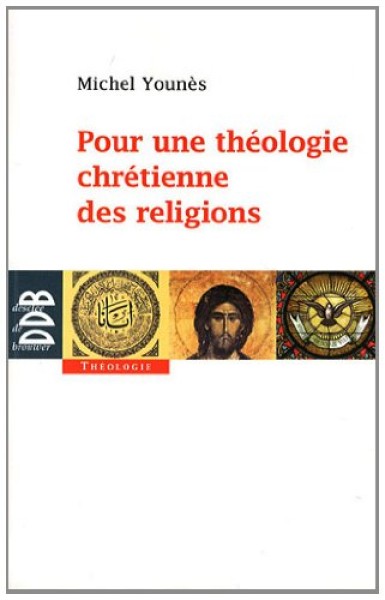
For a Christian Theology of Religions
- Michel Younès
Faced with contemporary religious diversity, how can Christian theology make sense of the place that other religions occupy in God’s design? Michel Younès examines the three traditional ̶...
publication
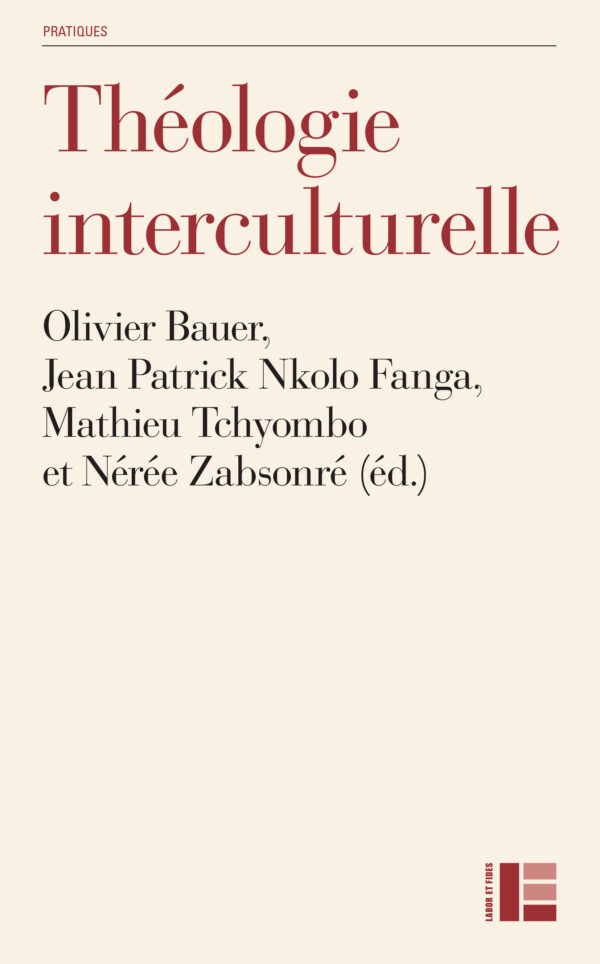
Intercultural Theology
- Jean Patrick Nkolo Fanga
Because every theology is culturally situated, Christian theology is inevitably multicultural. Yet one step remains to be taken: to become intercultural. Crossing languages, contexts, origins, ages...
article
Bells and Muezzin in Harmony: Dialogue with Islam as a Spiritual Responsibility
- Timo Güzelmansur
Article by Timo Güzelmansur published under the title Glocken und Muezzin im Einklang. Der Dialog mit dem Islam als geistliche Verantwortung in Herder Korrespondenz (special issue devoted to Pope L...