

Anglais

Jesus in Recent Qur’an Translations | The Jesus of the Qur’an vs. the Jesus of the New Testament
In this video, Gabriel Said Reynolds discusses the presentation of Jesus in the Qur’an and how it is interpreted and rendered in English by recent translations of the Qur’an. I show that recent translations emphasize the difference between the Qur’anic Jesus and the Jesus of the New Testament and that in fact, the two Scriptures present Jesus very differently. He also discusses the origin and history of the name ‘Isa and much more.
Summary by Pluriel
This video focuses on the representation of Jesus in the Qur’an and in recent translations of the Muslim sacred text. The main points discussed are:
- The Qur’anic name for Jesus, “Isa”, differs from other languages that use derivatives of the Hebrew “Yeshua”. A recent theory suggests that “Isa” might come from an ancient Arabic inscription invoking a deity named “Ein Sinya”.
- The Qur’anic Jesus differs significantly from that of the Gospels. Although some elements are common (virgin birth, miracles), many crucial aspects of the Gospels are absent from the Qur’an (parables, Passion, etc.). The Qur’an presents a distinct Jesus, adapted to its own theological message.
- Three recent Qur’anic translations are examined: those of Muhammad Asad, Hilali-Khan, and Sahih International. Each adopts different approaches to rendering the text, especially concerning Jesus.
- Muhammad Asad, a rationalist, tries to avoid supernatural interpretations. Hilali-Khan incorporate elements of Islamic tradition (hadith) into their translation. Sahih International offers a more literal translation.
- These translations emphasize the specificity of the Qur’anic Jesus compared to the biblical Jesus. For example, they avoid presenting him as the divine “Word”, unlike Christian interpretations.
- The Qur’an seems to associate Jesus with a certain militancy, an aspect absent from the Gospels but consistent with the context of the prophet Muhammad.
In conclusion, Gabriel Said Reynolds emphasizes that the Qur’an effectively creates a “new Jesus”, adapted to its own prophetic message, just as it reinterprets other biblical figures. Modern Muslim translations reflect this theological distinction, avoiding overly Christianizing readings of the Qur’anic text.
Dans cette vidéo, Gabriel Said Reynolds traite de la présentation de Jésus dans le Coran et de la façon dont elle est interprétée et rendue en anglais par les traductions récentes du Coran. Je montre que les traductions récentes mettent l’accent sur la différence entre le Jésus coranique et le Jésus du Nouveau Testament et qu’en fait, les deux Écritures présentent Jésus de manière très différente. Il discute également de l’origine et de l’histoire du nom ‘Isa et bien plus encore.
Résumé par Pluriel
Cette vidéo porte sur la représentation de Jésus dans le Coran et dans des traductions récentes du texte sacré musulman. Les points principaux abordés sont :
- Le nom coranique de Jésus, “Isa”, diffère des autres langues qui utilisent des dérivés de l’hébreu “Yeshua”. Une théorie récente suggère que “Isa” pourrait venir d’une ancienne inscription arabe invoquant une divinité nommée “Ein Sinya”.
- Le Jésus coranique diffère significativement de celui des Évangiles. Bien que certains éléments soient communs (naissance virginale, miracles), de nombreux aspects cruciaux des Évangiles sont absents du Coran (paraboles, Passion, etc.). Le Coran présente un Jésus distinct, adapté à son propre message théologique.
- Trois traductions coraniques récentes sont examinées : celles de Muhammad Asad, Hilali-Khan, et Sahih International. Chacune adopte des approches différentes pour rendre le texte, notamment concernant Jésus.
- Muhammad Asad, rationaliste, tente d’éviter les interprétations surnaturelles. Hilali-Khan intègrent des éléments de la tradition islamique (hadith) dans leur traduction. Sahih International offre une traduction plus littérale.
- Ces traductions soulignent la spécificité du Jésus coranique par rapport au Jésus biblique. Par exemple, elles évitent de le présenter comme “le Verbe” divin, contrairement aux interprétations chrétiennes.
- Le Coran semble associer Jésus à une certaine militance, un aspect absent des Évangiles mais cohérent avec le contexte du prophète Muhammad.
En conclusion, Gabriel Said Reynolds souligne que le Coran crée effectivement un “nouveau Jésus”, adapté à son propre message prophétique, tout comme il réinterprète d’autres figures bibliques. Les traductions musulmanes modernes reflètent cette distinction théologique, évitant les lectures trop christianisantes du texte coranique.
في هذا الفيديو، يتناول غابرييل سعيد رينولدز عرض عيسى في القرآن وكيفية تفسيره وترجمته إلى الإنجليزية في الترجمات الحديثة للقرآن. أوضح أن الترجمات الحديثة تؤكد على الاختلاف بين عيسى القرآني وعيسى العهد الجديد، وأن الكتابين المقدسين في الواقع يقدمان عيسى بطريقة مختلفة جدًا. كما يناقش أصل وتاريخ اسم “عيسى” وأكثر من ذلك.
ملخص بواسطة منصة الجامعة للبحث عن الإسلام
يتناول هذا الفيديو تصوير عيسى في القرآن وفي الترجمات الحديثة للنص الإسلامي المقدس. النقاط الرئيسية التي تمت مناقشتها هي:
- يختلف الاسم القرآني لعيسى، “عيسى”، عن اللغات الأخرى التي تستخدم مشتقات من العبرية “يشوع”. تقترح نظرية حديثة أن “عيسى” قد يكون مشتقًا من نقش عربي قديم يستحضر إلهًا يدعى “عين سنيا”.
- يختلف عيسى القرآني اختلافًا كبيرًا عن عيسى الأناجيل. على الرغم من وجود بعض العناصر المشتركة (الولادة العذرية، المعجزات)، إلا أن العديد من الجوانب الحاسمة للأناجيل غائبة عن القرآن (الأمثال، الآلام، إلخ). يقدم القرآن عيسى مميزًا، متكيفًا مع رسالته اللاهوتية الخاصة.
- تمت دراسة ثلاث ترجمات قرآنية حديثة: ترجمات محمد أسد، هلالي-خان، وصحيح إنترناشيونال. تتبنى كل منها نهجًا مختلفًا في ترجمة النص، خاصة فيما يتعلق بعيسى.
- محمد أسد، وهو عقلاني، يحاول تجنب التفسيرات الخارقة للطبيعة. يدمج هلالي-خان عناصر من التقليد الإسلامي (الحديث) في ترجمتهما. تقدم صحيح إنترناشيونال ترجمة أكثر حرفية.
- تؤكد هذه الترجمات على خصوصية عيسى القرآني مقارنة بعيسى الكتاب المقدس. على سبيل المثال، تتجنب تقديمه على أنه “الكلمة” الإلهية، على عكس التفسيرات المسيحية.
- يبدو أن القرآن يربط عيسى بنوع من النضالية، وهو جانب غائب عن الأناجيل ولكنه متسق مع سياق النبي محمد.
في الختام، يؤكد غابرييل سعيد رينولدز أن القرآن يخلق فعليًا “عيسى جديدًا”، متكيفًا مع رسالته النبوية الخاصة، تمامًا كما يعيد تفسير شخصيات توراتية أخرى. تعكس الترجمات الإسلامية الحديثة هذا التمييز اللاهوتي، متجنبة القراءات المسيحية المفرطة للنص القرآني.



Resources of this researcher
videos
Jesus in Recent Qur’an Translations | The Jesus of the Qur’an vs. the Jesus of the New Testament
In this video, Gabriel Said Reynolds discusses the presentation of Jesus in the Qur'an and how it is interpreted and rendered in English by recent translations of the Qur'an. I show that recent tra...
videos
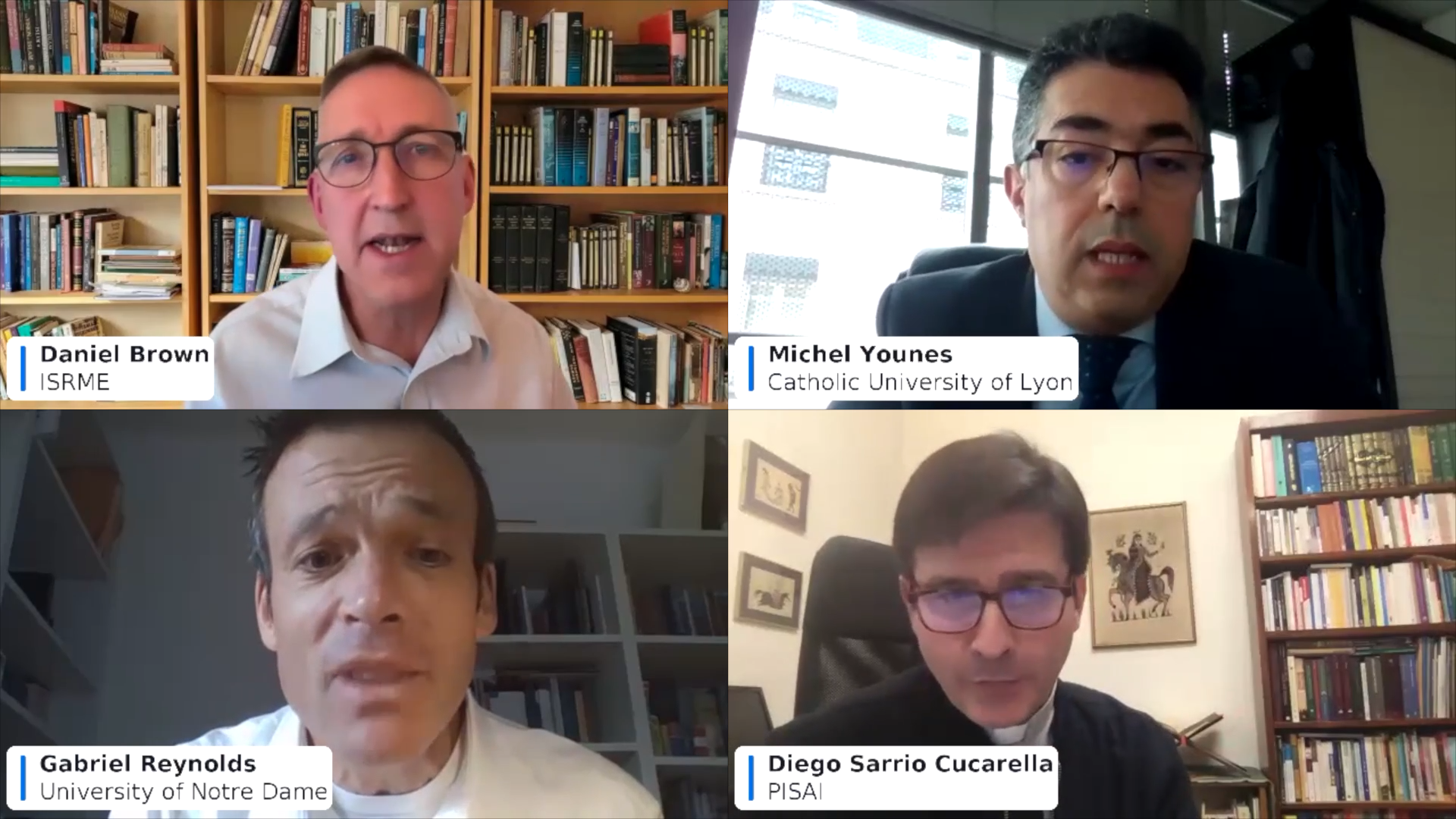
Online Symposium: Islamic Origins & Christian Theological Engagement with Islam
Panelists David Marshall, University of Bern (Moderator), Guest Editor of Islamochristiana Martin Accad, Arab Baptist Theological Seminary Daniel Brown, ISRME Diego Sarrio Cucarella, PISAI Sa...
article
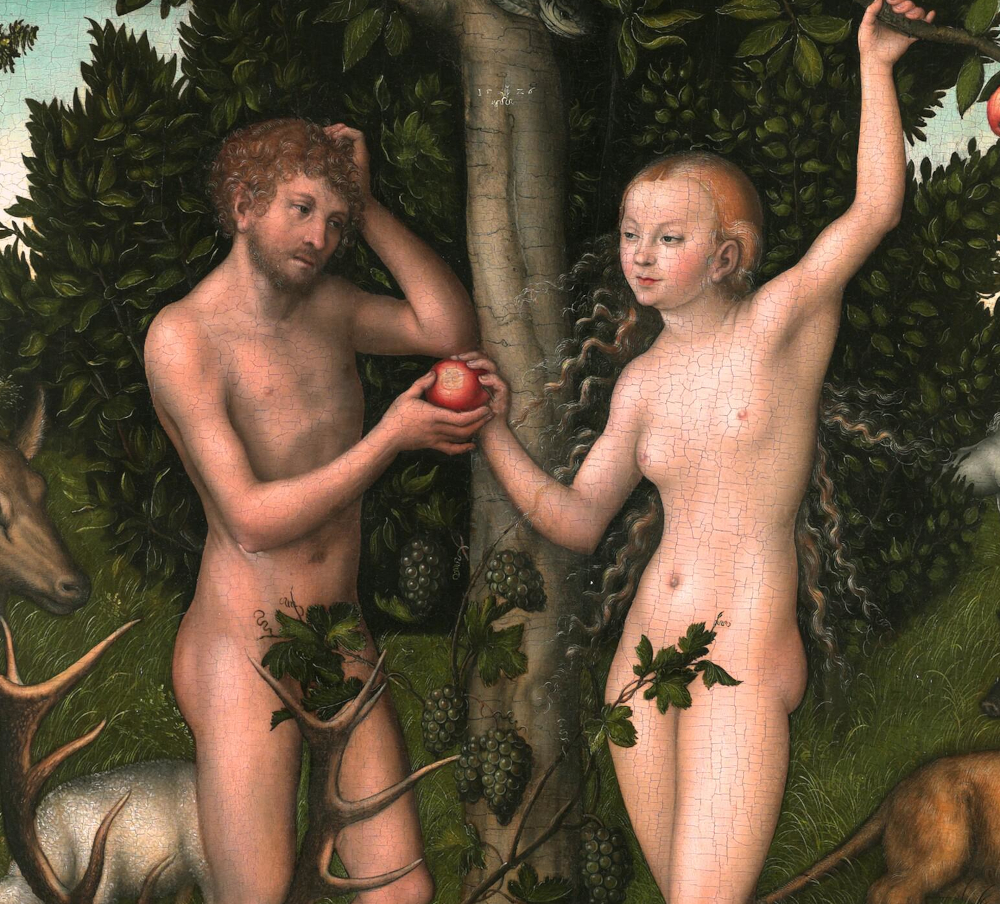
Original Sin and the Qur’an
The present article addresses the common view that the Qur’an has no doctrine of original sin. It begins by defining original sin with attention to the Bible and Christian tradition. Thereafter the...

videos
Islam and the Salvation of non- Muslims: The Qur’anic Perspective
"At the Pluriel conference on “Islam and Otherness” I will argue the Qur’an’s emphasis on divine freedom provides an opening for inclusivism. The Qur’an emphasizes God’s mercy, using al-Raḥmān as a...

videos
God of mercy and vengeance
First International Congress of the University Platform for Research on Islam in Europe and Lebanon (PLURIEL): theological axis Speaker: Gabriel Said Reynolds, Professor of Islamology and Theolo...
Resources related to Quranic Studies
publication
Islam and Muslims. Doctrines, Schools of Thought, and Current Trends
- Michel Younès
Publication date: April 16, 2026. Islam, as a historical, religious, and civilizational reality, is difficult to define. It can be perceived as a form of political governance, an expression of fait...

publication
The Event of the Qur’an: Islam in its Scripture
- Timo Güzelmansur
Published as Das Ereignis des Koran. Der Islam in seiner Schrift (Regensburg: Verlag Friedrich Pustet, 2026), this volume is the first German translation of the classic work by the Anglican Islamic...
publication
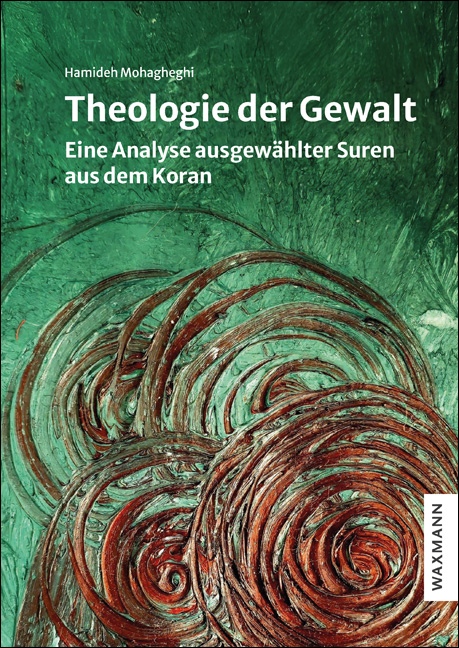
A Theology of Violence: An Analysis of Selected Surahs from the Qur’an
- Hamideh Mohagheghi
Published as Theologie der Gewalt. Eine Analyse ausgewählter Suren aus dem Koran (Münster: Waxmann, 2026), this book by Hamideh Mohagheghi is the published version of her doctoral thesis (defended ...
publication
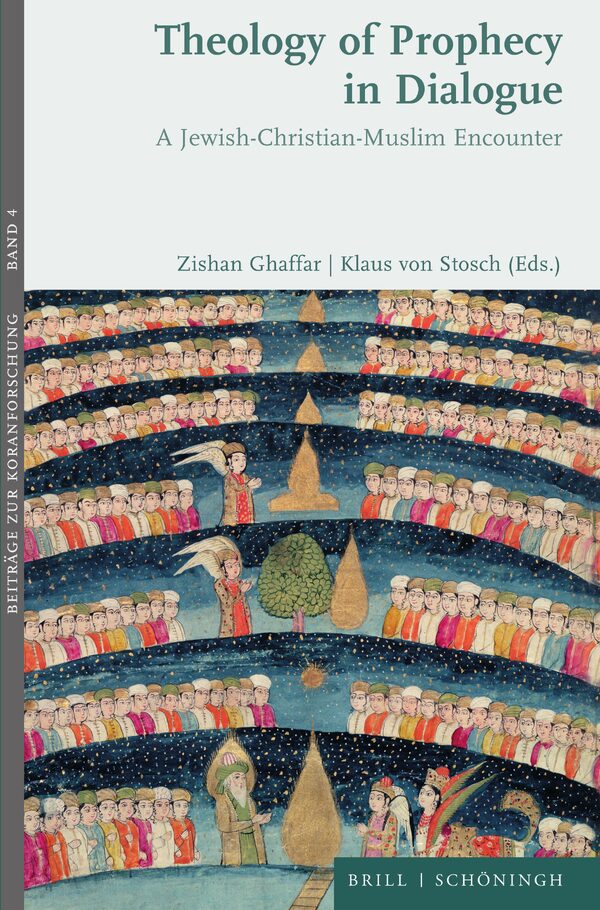
Theology of Prophecy in Dialogue: A Jewish-Christian-Muslim Encounter
- Klaus von Stosch
- Zishan Ahmad Ghaffar
Edited by Zishan Ghaffar (University of Paderborn) and Klaus von Stosch, professor of systematic theology at the University of Bonn and member of the coordination committee of Pluriel, this collect...

article
The Genre of the Mawlid Narrative in the mid-12th h./18th Century as Exemplified by al-Barzanjī
- Antonio Cuciniello
Among the works of Arabic literature concerning the genre of Mawlid, certainly al-Barzanjī’s Mawlid is a text that has achieved great popularity and spread to large parts of the Islamic world. Inde...

videos
The History of the Quran according to Muslim Sources
- Gabriel Said Reynolds
Professors Shady Nasser from Harvard and Gabriel Reynolds from the University of Notre Dame explore the history of the revelation and compilation of the Quran according to traditional Muslim source...
videos
Jesus in Recent Qur’an Translations | The Jesus of the Qur’an vs. the Jesus of the New Testament
- Gabriel Said Reynolds
In this video, Gabriel Said Reynolds discusses the presentation of Jesus in the Qur'an and how it is interpreted and rendered in English by recent translations of the Qur'an. I show that recent tra...
publication
Islam and Scientific Examination: A Renewed Quest
- Mohammad Ali Amir-Moezzi
- Dominique Avon
“How can we establish an objective, rigorous, and detached study of Islam in the face of the excesses generated by its politicization? It is to answer this burning question that the French In...