

English

Original Sin and the Qur’an
Titre original : “The Original Sin and the Qur’an”
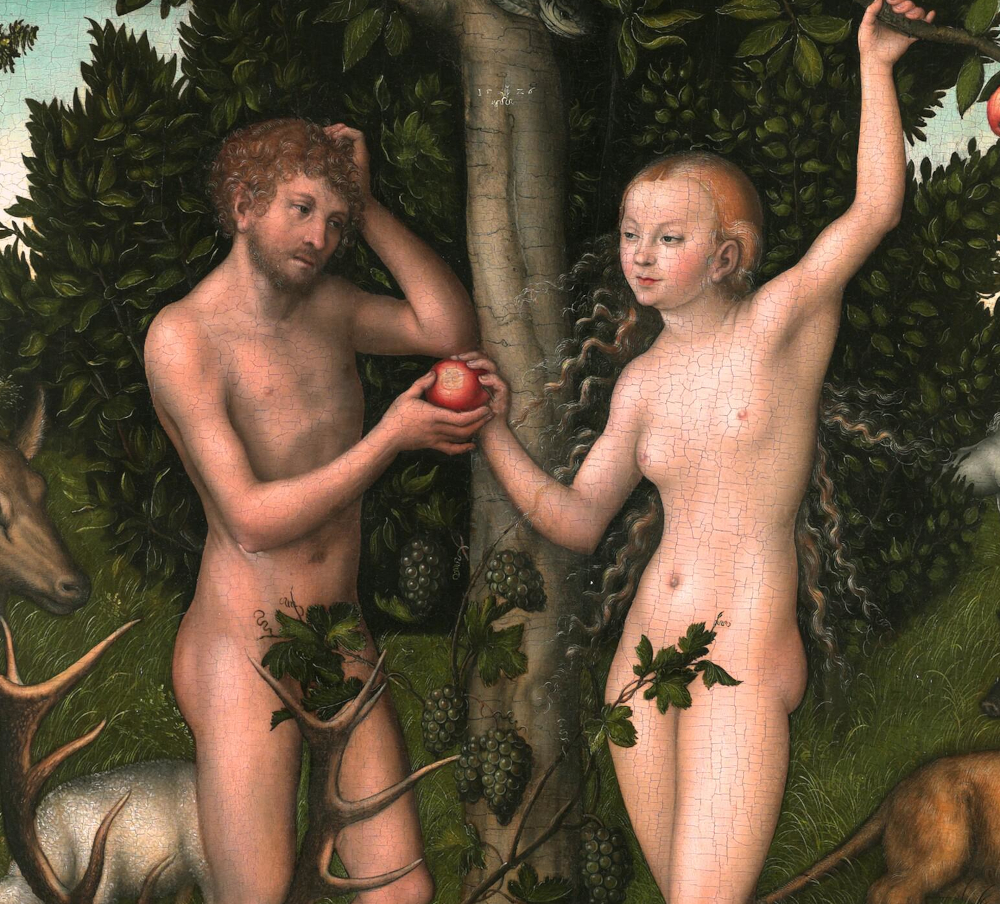
Résumé : Le présent article traite de l’opinion courante selon laquelle le Coran n’aurait pas de doctrine du péché originel. Il commence par définir le péché originel en se référant à la Bible et à la tradition chrétienne. Ensuite, l’auteur aborde le langage coranique sur le fait de “porter le fardeau d’un autre” et l’anthropologie généralement pessimiste du Coran. Enfin, l’auteur examine le matériel coranique sur la chute à cause du diable, la permission que Dieu accorde au diable d’égarer les humains, et la chute d’Adam et de sa femme dans le monde avec ses conséquences après leur péché. L’histoire ultérieure de l’humanité dans le Coran est ponctuée de châtiments. Tout ceci conduit à la conclusion que la tendance de l’humanité à pécher (et la tendance de Dieu à punir les humains pour leur péché) est liée à cette protohistoire. En conséquence, s’il est vrai que le Coran ne reprend pas une grande partie de l’enseignement chrétien sur le péché originel, il n’en demeure pas moins que, dans le Coran, le péché d’Adam a de graves conséquences pour sa progéniture.
 Download PDF


Resources of this researcher
videos
Jesus in Recent Qur’an Translations | The Jesus of the Qur’an vs. the Jesus of the New Testament
In this video, Gabriel Said Reynolds discusses the presentation of Jesus in the Qur'an and how it is interpreted and rendered in English by recent translations of the Qur'an. I show that recent tra...
videos
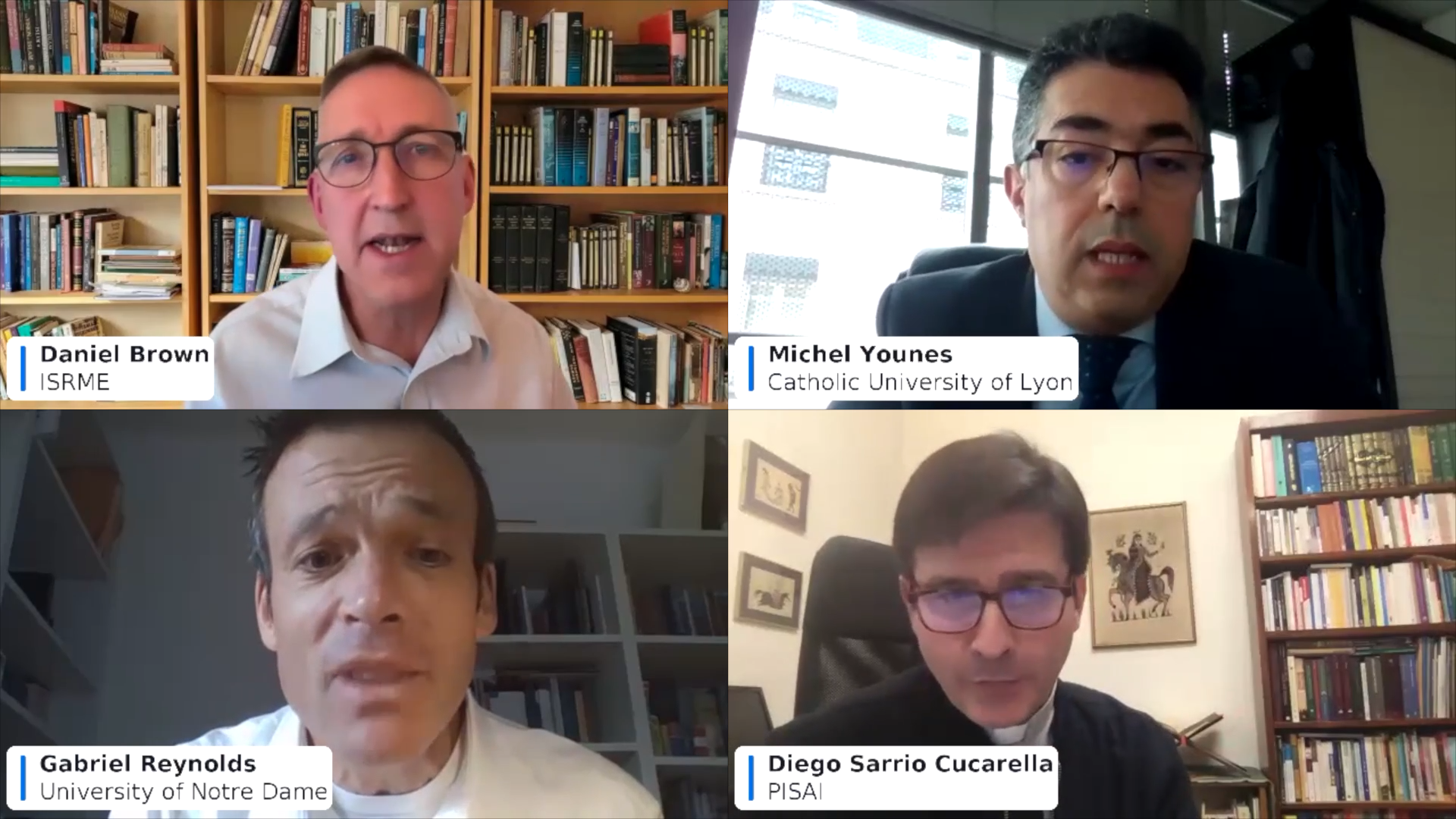
Online Symposium: Islamic Origins & Christian Theological Engagement with Islam
Panelists David Marshall, University of Bern (Moderator), Guest Editor of Islamochristiana Martin Accad, Arab Baptist Theological Seminary Daniel Brown, ISRME Diego Sarrio Cucarella, PISAI Sa...
article
Original Sin and the Qur’an
The present article addresses the common view that the Qur’an has no doctrine of original sin. It begins by defining original sin with attention to the Bible and Christian tradition. Thereafter the...

videos
Islam and the Salvation of non- Muslims: The Qur’anic Perspective
"At the Pluriel conference on “Islam and Otherness” I will argue the Qur’an’s emphasis on divine freedom provides an opening for inclusivism. The Qur’an emphasizes God’s mercy, using al-Raḥmān as a...

videos
God of mercy and vengeance
First International Congress of the University Platform for Research on Islam in Europe and Lebanon (PLURIEL): theological axis Speaker: Gabriel Said Reynolds, Professor of Islamology and Theolo...
Resources related to Muslim-Christian Dialogue
article
Kenneth Cragg and the Event of the Qur’an
- Timo Güzelmansur
Article by Timo Güzelmansur published under the title Kenneth Cragg und das Ereignis des Koran on the theological portal feinschwarz.net (12 June 2026, open access). Timo Güzelmansur presents the A...

article
Leo XIV’s encyclical Magnifica Humanitas and the Pluriel working group on AI-assisted interreligious dialogue
- Wael Saleh
Text by Wael Saleh, researcher at the Université du Québec à Montréal (UQAM) and member of the Pluriel coordination committee. The simultaneous appearance of Leo XIV's encyclical Magnifica Human...
publication
The Recognition of a Hummingbird. Essays on Interreligious Dialogue and Missionary Work (2007-2025)
- Rémi Caucanas
Published in May 2026 by PISAI (Pontifical Institute for Arabic and Islamic Studies, Rome), this collection brings together the essays of Rémi Caucanas on interreligious dialogue and missionary wor...
videos
From Lavigerie to PISAI: The Institutional History of the Missionaries of Africa’s Engagement with Islam
Delivered on 21 May 2026 at the Pontifical Institute for Arabic and Islamic Studies (PISAI) in Rome, this lecture opens the series of conferences marking the institute's centenary (1926-2026). Fr. ...
videos
Interreligious Dialogue and Ethnic Nationalisms in the Balkans
At the invitation of PISAI (Pontifical Institute for Arabic and Islamic Studies, Rome) and Georgetown University, Ahmet Alibašić, professor of Islamic civilization at the Faculty of Islamic Studies...
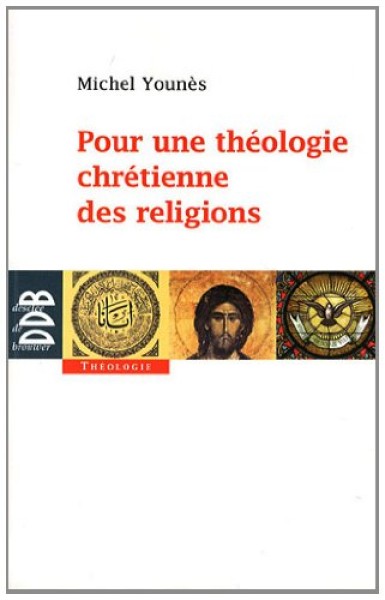
publication
For a Christian Theology of Religions
- Michel Younès
Faced with contemporary religious diversity, how can Christian theology make sense of the place that other religions occupy in God’s design? Michel Younès examines the three traditional ̶...

publication
Intercultural Theology
- Jean Patrick Nkolo Fanga
Because every theology is culturally situated, Christian theology is inevitably multicultural. Yet one step remains to be taken: to become intercultural. Crossing languages, contexts, origins, ages...
article
Bells and Muezzin in Harmony: Dialogue with Islam as a Spiritual Responsibility
- Timo Güzelmansur
Article by Timo Güzelmansur published under the title Glocken und Muezzin im Einklang. Der Dialog mit dem Islam als geistliche Verantwortung in Herder Korrespondenz (special issue devoted to Pope L...