
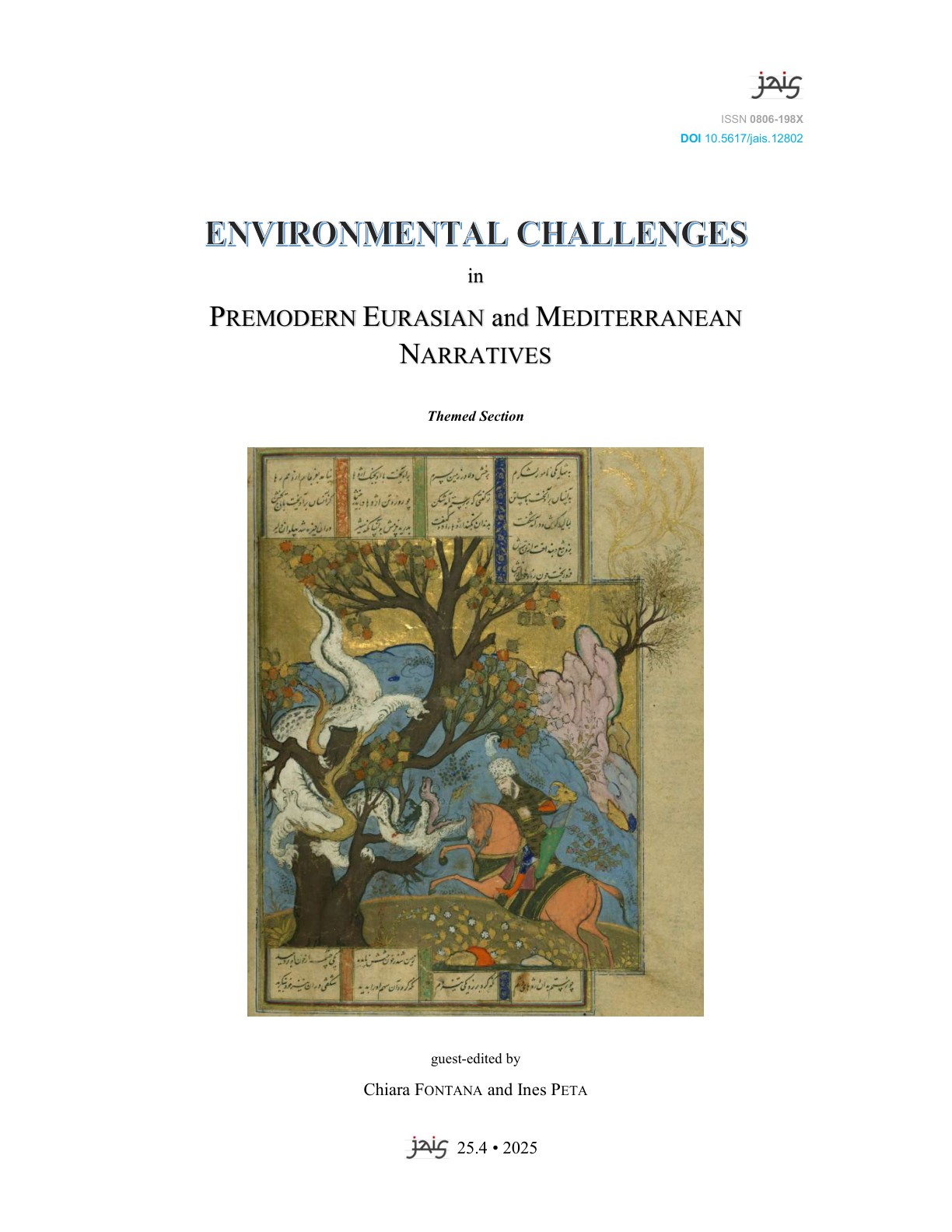

The Mythological Control of the River Nile: A Study on the Islamic Sources
Abstract
Published in the Journal of Arabic and Islamic Studies (vol. 25, no. 4, 2025, pp. 69-87), in the themed section “Environmental Challenges in Premodern Eurasian and Mediterranean Narratives” edited by Chiara Fontana and Ines Peta, this article by Marco Demichelis, Assistant Professor in History of the Islamic World and Islamic Thought at the University of Bologna, explores Islamic sources from the tenth to the fourteenth century which, in connection with periods of drought, gave credence to the idea that Ethiopia could give life or death to Egypt by causing excessive floods or prolonged droughts.
After the Arab conquests, Egypt and the Nile remained inseparable, now because of their economic and military importance in the confrontation with the Christian world in the era of the Crusades. Arab geographers, from al-Khwārizmī to al-Idrīsī, heirs to Ptolemy, placed the source of the Nile in the “Mountains of the Moon”, and in the sixteenth century Leo Africanus still linked the annual flood to the rains of Ethiopia without mentioning any threat. Yet certain crises, such as the fall of the Ikhshidids after a long famine and the great water crisis under the Fatimid caliph al-Mustanṣir, which coincided with a first diplomatic crisis with Ethiopia, read in the light of Islamic apocalyptic traditions, fuelled the rumour of an Ethiopian power over the river.
In the Latin West, after the Crusades, the rumour merged with the legend of Prester John. The Augustinian pilgrim Jacopo da Verona seems to have been the first to make the Ethiopian emperor both Prester John and master of the Nile, a myth that circulated in Europe until the end of the sixteenth century. On the Islamic side, by contrast, it lost credibility: around 1405, al-Maqrīzī attributed Egypt’s famines to atmospheric phenomena and weak floods, without seeing the hand of Ethiopia in them.
The article is freely available on the journal website (DOI 10.5617/jais.12786).
Résumé
Paru en anglais sous le titre « The Mythological Control of the River Nile: A Study on the Islamic Sources » dans le Journal of Arabic and Islamic Studies (vol. 25, n° 4, 2025, p. 69-87), au sein du dossier « Environmental Challenges in Premodern Eurasian and Mediterranean Narratives » coordonné par Chiara Fontana et Ines Peta, cet article de Marco Demichelis, maître de conférences en histoire du monde islamique et de la pensée islamique à l’Université de Bologne, étudie les sources islamiques des Xe-XIVe siècles qui, à propos des périodes de sécheresse, ont accrédité l’idée que l’Éthiopie pouvait donner la vie ou la mort à l’Égypte en provoquant des crues excessives ou des sécheresses prolongées.
Après les conquêtes arabes, l’Égypte et le Nil restent indissociables, désormais en raison de leur importance économique et militaire face au monde chrétien à l’époque des croisades. Les géographes arabes, d’al-Khwārizmī à al-Idrīsī, héritiers de Ptolémée, situent la source du Nil dans les « monts de la Lune », et au XVIe siècle Léon l’Africain rattache encore la crue annuelle aux pluies de l’Éthiopie sans évoquer aucune menace. Mais certaines crises, comme la chute des Ikhshidides après une longue famine et la grande crise des eaux sous le calife fatimide al-Mustanṣir, contemporaine d’une première crise diplomatique avec l’Éthiopie, lues à la lumière des traditions apocalyptiques islamiques, ont nourri la rumeur d’un pouvoir éthiopien sur le fleuve.
Dans l’Occident latin, la rumeur se combine après les croisades avec la légende du prêtre Jean. Le pèlerin augustin Jacopo da Verona semble avoir été le premier à faire de l’empereur d’Éthiopie à la fois le prêtre Jean et le maître du Nil, mythe qui circule en Europe jusqu’à la fin du XVIe siècle. Du côté islamique, en revanche, il perd son crédit : vers 1405, al-Maqrīzī attribue les famines de l’Égypte aux phénomènes atmosphériques et à la faiblesse des crues, sans y voir la main de l’Éthiopie.
L’article est en libre accès sur le site de la revue (DOI 10.5617/jais.12786).
ملخّص
نُشر هذا المقال بالإنكليزية في «مجلة الدراسات العربية والإسلامية» (Journal of Arabic and Islamic Studies، المجلد 25، العدد 4، 2025، ص 69-87)، ضمن ملف «التحدّيات البيئية في السرديات الأوراسية والمتوسطية قبل الحديثة» الذي أشرفت عليه كيارا فونتانا وإينيس بيتا، تحت العنوان الآتي:
The Mythological Control of the River Nile: A Study on the Islamic Sources
وفيه يدرس ماركو ديميشيليس، الأستاذ المساعد في تاريخ العالم الإسلامي والفكر الإسلامي في جامعة بولونيا، المصادرَ الإسلامية الممتدّة من القرن العاشر إلى القرن الرابع عشر التي رسّخت، في سياق فترات الجفاف، فكرةَ أنّ الحبشة قادرة على إحياء مصر أو إهلاكها بإحداث فيضانات مفرطة أو جفاف طويل.
فبعد الفتوحات العربية، ظلّت مصر والنيل متلازمين، وقد صارت لهما أهمية اقتصادية وعسكرية في المواجهة مع العالم المسيحي زمن الحروب الصليبية. وحدّد الجغرافيون العرب، من الخوارزمي إلى الإدريسي، ورثةُ بطليموس، منبعَ النيل في «جبال القمر»، وفي القرن السادس عشر ظلّ الحسن الوزان (ليون الإفريقي) يربط الفيضان السنوي بأمطار الحبشة من غير أن يذكر أيّ تهديد. غير أنّ أزمات بعينها، مثل سقوط الإخشيديين بعد مجاعة طويلة، والشدّة المستنصرية زمن الخليفة الفاطمي المستنصر، التي تزامنت مع أول أزمة دبلوماسية مع الحبشة، قُرئت في ضوء أحاديث الفتن والملاحم، فغذّت إشاعة قدرة الحبشة على التحكّم في النهر.
وفي الغرب اللاتيني، امتزجت هذه الإشاعة بعد الحروب الصليبية بأسطورة «القسّ يوحنا». ويبدو أنّ الحاجّ الأوغسطيني جاكوبو دا فيرونا كان أول من جعل إمبراطور الحبشة هو القسّ يوحنا وسيّد النيل في آن واحد، وهي أسطورة ظلّت متداولة في أوروبا حتى أواخر القرن السادس عشر. أمّا في الجانب الإسلامي، فقد فقدت مصداقيتها: فنحو عام 1405، ردّ المقريزي مجاعات مصر إلى الظواهر الجوية وضعف الفيضان، من غير أن يرى فيها يد الحبشة.
والمقال متاح مجّاناً على موقع المجلة.



Resources of this researcher
article
The Conciliarist Idea of Islam in the Quattrocento: Prelude and Legacy
Abstract Published in the journal Religions (vol. 15, no. 9, 2024), this article by Marco Demichelis, Assistant Professor in History of the Islamic World and Islamic Thought at the University of...
publication
Violence in Early Islam. Religious Narratives, the Arab Conquests and the Canonization of Jihad
Presentation: The concept of jihad holds a prominent place in Islamic thought and history. Beyond its spiritual meanings, the term has historically been associated with the sweeping Arab-Believers ...
article
The Khatim an-Nabiyyin (The Seal of the Prophets) and Its Inclusive Abrahamic Perspective: Muhammad and ‘Isa ibn Maryam in Dialogue
Abstract “Muhammad is not the father of any one of your men; he is God’s messenger and the Seal of the Prophets: God knows everything.” (33:40). The deconstruction of the concept of “the Seal of...
publication
Salvation and Hell in Classical Islamic Thought.
Presentation : Salvation and Hell in Classical Islamic Thought uses classical Islamic sources to trace the development of Islamic eschatology during the formative centuries of Islamic intellectual ...
publication
Religious Violence, Political Ends, Nationalism, Citizenship and Radicalizations in the Middle East and Europe
Since antiquity, religious violence based on political motives has been and remains a common practice: the atrocities committed by the Roman Empire against the first Christian communities were quic...

videos
When religion divides the “community”. Dynamics of violence and pacification within Arab Levant
Conference of Marco DEMICHELIS, at the second international Congress of PLURIEL Abstract Since the nineteenth century, the dynamics of inter-religious conflict within the Arab world accentuated...
videos
Presentation of the congress “Islam and Belonging” of PLURIEL
With the voices of members of the Scientific Comittee
article
The Mihna. Deconstruction and reconsideration of the Mu’tazilite role in the “Inquisition
Abstract The Miḥna has usually been attributed to the Mu‘tazilite theological school as expression of something unusual, a bid‘ah (Islamic innovation) related to a rationalist group of theologia...
article
The Fate of Others in 14th century Hanbalism
Abstract In a recent publication entitled Ibn Taymiyya’s Theological Ethics, Sophia Vasalou tackles the moral objectivism that Ibn Taymiyya would reworked inspired to the unorthodox thought of M...
Resources related to History
publication
MIDÉO No. 41: The Literal Meaning between Christian Worlds and Muslim Worlds
- Jean Druel
- Emmanuel Pisani
Entitled after its thematic dossier The Literal Meaning between Christian Worlds and Muslim Worlds, issue 41 of the Mélanges de l’Institut dominicain d’études orientales (MIDÉO) address...

article
Experiencing a Mosque Through Photography: Islam As an Ordinary Religion
- Guillaume Chatagny
Abstract Published in 2021 in Visual Ethnography (vol. 10, no. 2) under the title "Experiencing a Mosque Through Photography: Islam As an Ordinary Religion", this article by Guillaume Chatagny, ...

article
Islam Seen through the Work of Aziz al-Azmeh
- Wasim Salman
Abstract Published in Arabic in issue 50 (2024) of Islamochristiana (PISAI, released in April 2025), this essay by Wasim Salman, president of PISAI and director of the journal, examines the rela...

article
Islamic Visions of Jesus: Revelation, Prophecy, and Eschatology
- Antonio Cuciniello
Abstract Published in the collective volume Jerusalem in Memory and Eschatology: Jewish, Christian, and Muslim Visions of the Past and Future of Jerusalem, edited by Emma O'Donnell Polyakov (Blo...

article
The First Council of Nicaea (325) and the Christian-Muslim Dialogue on God’s Unity and Trinity
- Dirk Ansorge
Abstract Published under the original title "Das erste Konzil von Nizäa (325) und der christlich-muslimische Dialog über Gottes Einheit und Dreifaltigkeit" in issue 2/2025 of CIBEDO-Beiträge, th...
publication
Religious Freedom in Italy. An Unfinished Path (1848-2024)
- Alessandro Ferrari
Published under the original title La libertà religiosa in Italia. Un percorso incompiuto (1848-2024), this synthesis by Alessandro Ferrari, professor of ecclesiastical law and comparative religiou...
article
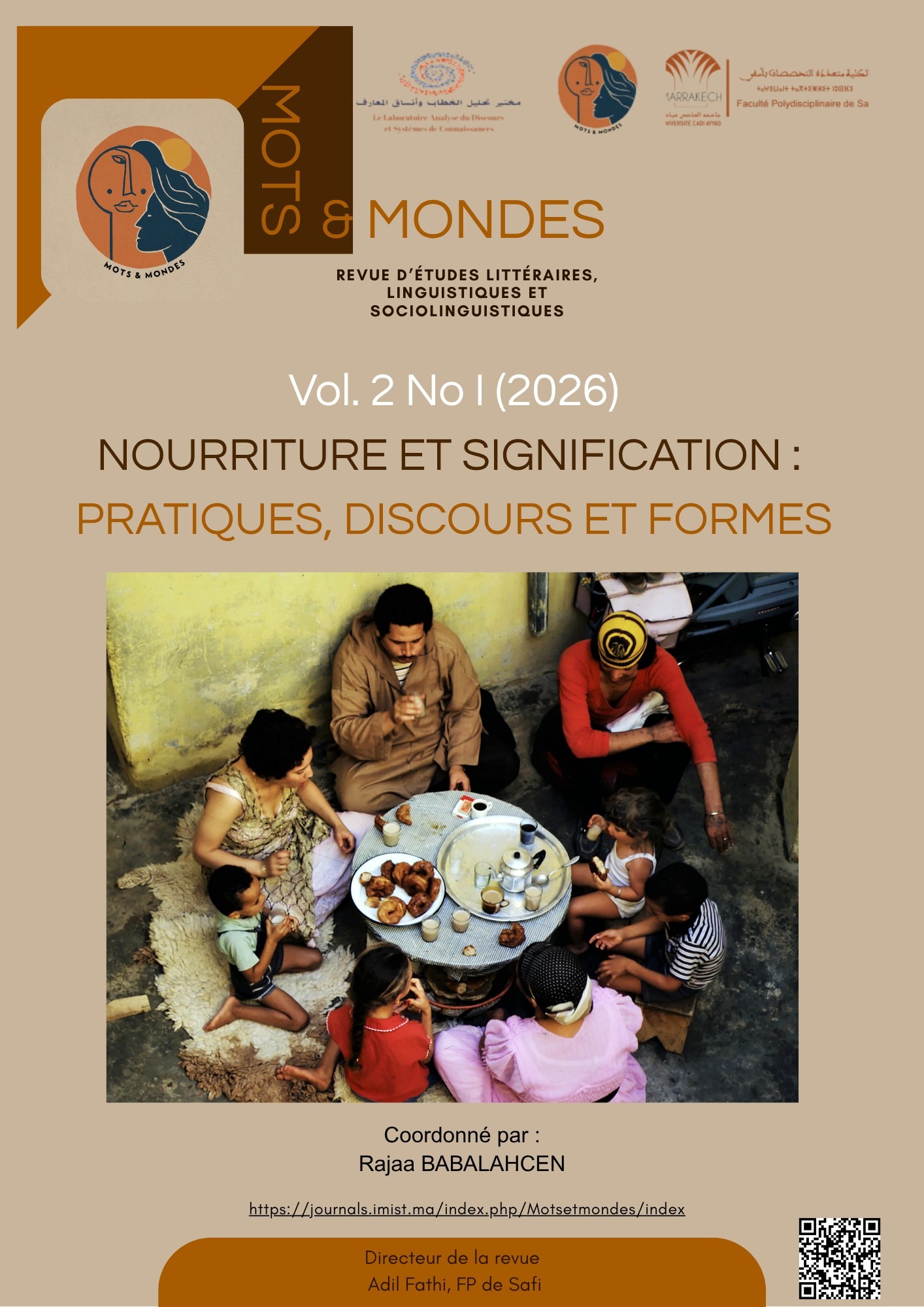
The Table as a Social Language: Food and Norms in al-Ǧāḥiẓ
- Faisal Kenanah
Abstract Published in French in the journal Mots et mondes. Revue d'études littéraires, linguistiques et sociolinguistiques (Cadi Ayyad University, Marrakesh), in the issue "Nourriture et signif...

publication
The Recognition of a Hummingbird. Essays on Interreligious Dialogue and Missionary Work (2007-2025)
- Rémi Caucanas
Published in May 2026 by PISAI (Pontifical Institute for Arabic and Islamic Studies, Rome), this collection brings together the essays of Rémi Caucanas on interreligious dialogue and missionary wor...