
Marco Demichelis, two months in Lyon
The main target is to provide a de-radicalized exegesis of violence against the Other in the Qur’an: from the first verse pronounced in chronological order to the last, without altering the historical reality and thus the cruelty of the Prophet Muhammad’s age, but deconstructing the Islamic first century violence against the Other, as well as, the literary one as expressed in the Islamic revelation. This study will emphasize a historical- exegetical and juridical understanding in the tentative to re-shape the meaning of the Arab conquests, the development of an early Jihad meaning, the Islamic legal making of a warfare religious regulation. Violence in its religious premise as well as its adoption in Islam, has become a normal praxis both in reference to a sharp increase in internal conflict: not only between Sunni and Shi’a, but among Muslims who support different radical points of view in relation to other religions: Christianity, Judaism, Hinduism, Buddhist and atheism. This topic could be considered very popular; however, the exegetical -historical studies that focus on each individual verse as well as on the relationship between the Islamic revelation and the violence against non-Muslims, are limited and usually not linked to a historical-critical approach.
This work raises the triple target of understanding, first of all, where and when single verses of “violence” were pronounced, the early exegetical interpretation in relation to a literary and metaphorical understanding and finally the trivialized deconstruction adopted by Islamic fundamentalism today (Sayyid Qutb and Neo-Wahhabism, in specific).
Marco Demichelis (Torino, 1979) is Marie Curie Fellow (IF, 2016) in Islamic Studies and History of Middle East within the ICS at the University of Navarra. He previously worked as Research Fellow within the Dept. of Religious Studies at the Catholic University of Sacred Heart in Milan (2013-2016) and as Adjunct Prof. in History of Islamic World at the University of Turin (2010-2012). He recently published for Gorgias Press (eds. with Paolo Maggiolini), The Struggle to Define a Nation: Rethinking Religious Nationalism in the Contemporary Islamic World, while he is finalizing a monographic work on Fana’ an-Nar, the Annihiliation of Hell within Islamic Thought (forthcoming, Bloomsbury, 2018). In Italian he published several essays: Il Pensiero Mu‘ tazilita (PhD Diss., Torino: Harmattan, 2011), Storia dei Popoli Arabi. Dal Profeta Muhammad al XXI secolo (Torino: Anakelab, 2ed. 2015), L’Islam Contemporaneo. Sfide e Riflessioni tra Modernità e Modernismo (Torino: Anankelab, 2016), Etica Islamica. Ragione e Responsabilità (Milano: Edizioni Paoline, 2016). His academic articles have appeared on Oriente Moderno, JNES, Parole de l’Orient, ASQ, Archiv Orientalni, ASR, Orientalia Christiana Analecta.
L’université catholique de Lyon accueillera Marco Demichelis, chercheur du réseau PLURIEL, en février et mars 2018 dans le cadre de ses recherches sur
“Qur’an and Qital. The violence against the Other in a historical critical deradicalizing perspective”
Marco Demichelis est membre du réseau de PLURIEL, boursier Marie Curie en études islamiques et histoire du Moyen-Orient à l’Université de Navarre. Il a précédemment travaillé en tant que chercheur au Département des études religieuses de l’Université catholique du Sacré-Cœur à Milan (2013-2016) et comme professeur auxiliaire en histoire du monde islamique à l’Université de Turin (2010-2012).
L’objectif principal de ses travaux est de fournir une approche exégétique de la violence contre l’Autre dans le Coran. Cette étude met l’accent sur une approche historico-exégétique et juridique du Coran dans le but de réinterpréter le sens des conquêtes arabes, le développement de la notion du djihad et la dimension juridique de la guerre en islam.
La violence dans sa dimension religieuse est devenue une conception normale, non seulement par rapport aux conflits internes à islam, comme ceux entre sunnites et chiites, mais également parmi les musulmans vis-à-vis des autres religions comme le christianisme, le judaïsme, l’hindouisme, le bouddhisme et l’athéisme.
Ce travail soulève le triple objectif, celui de comprendre les circonstances de la révélation des versets dits de la “violence”, l’interprétation exégétique par rapport à une compréhension littéraire et métaphorique et finalement la déconstruction banalisée adoptée aujourd’hui par le fondamentalisme islamique (Sayyid Qutb et Néo-Wahhabisme, en particulier).
Voir la page PLURIEL de Marco Demichelis
Qur’an and Qital. The violence against the Other in a historical critical deradicalizing perspective
تستقبل الجامعة الكاثوليكية في ليون الباحث ماركو ديميكيليس، عضو شبكة PLURIEL، في فبراير/شباط ومارس/آذار 2018 في إطار أبحاثه بعنوان: «القرآن والقتال. العنف ضدّ الآخر من منظور نقدي تاريخي مضادّ للتطرف».
ماركو ديميكيليس عضو في شبكة PLURIEL، وحائز على منحة ماري كوري في الدراسات الإسلامية وتاريخ الشرق الأوسط في جامعة نافارّا. عمل سابقاً باحثاً في قسم الدراسات الدينية بالجامعة الكاثوليكية للقلب الأقدس في ميلانو (2013-2016)، وأستاذاً مساعداً في تاريخ العالم الإسلامي في جامعة تورينو (2010-2012).
الهدف الرئيسي من أعماله هو تقديم مقاربة تفسيرية للعنف ضدّ الآخر في القرآن. تركّز هذه الدراسة على مقاربة تاريخية-تفسيرية وقانونية للقرآن بهدف إعادة تفسير معنى الفتوحات العربية، وتطوّر مفهوم الجهاد، والبعد القانوني للحرب في الإسلام.
لقد باتَ العنف في بُعده الديني مفهوماً عادياً، ليس فقط في ما يخصّ النزاعات داخل الإسلام كتلك بين السنّة والشيعة، بل أيضاً بين المسلمين تجاه الأديان الأخرى كالمسيحية واليهودية والهندوسية والبوذية واللاأدرية.
يطرح هذا العمل هدفاً ثلاثياً: فهم ظروف نزول الآيات المسمّاة بآيات «العنف»، والتفسير التأويلي بالمقارنة مع فهم أدبي واستعاري، وأخيراً تفكيك التبسيط الذي يتبنّاه اليوم التطرف الإسلامي (لا سيّما سيّد قطب والوهابية الجديدة).
راجع صفحة PLURIEL الخاصة بـماركو ديميكيليس
Resources related to keywords
article
Wael Saleh: “Recognising Without Confining, to Better ‘De-other’ the Public Debate”
- Wael Saleh
In an op-ed published on 20 July 2026 by Le Devoir, Wael Saleh, a member of the scientific committee of Pluriel, puts forward a new concept for contemporary democratic debate: "de-othering" (in Fre...
videos
“War and peace”, by Adrien Candiard
On Wednesday 20 May 2026, the Dominican Institute for Oriental Studies (IDEO) hosted in Cairo a lecture by Brother Adrien Candiard, Dominican and Islamologist, on the theme "War and peace". Faced w...
article
Kenneth Cragg and the Event of the Qur’an
- Timo Güzelmansur
Article by Timo Güzelmansur published under the title Kenneth Cragg und das Ereignis des Koran on the theological portal feinschwarz.net (12 June 2026, open access). Timo Güzelmansur presents the A...
article
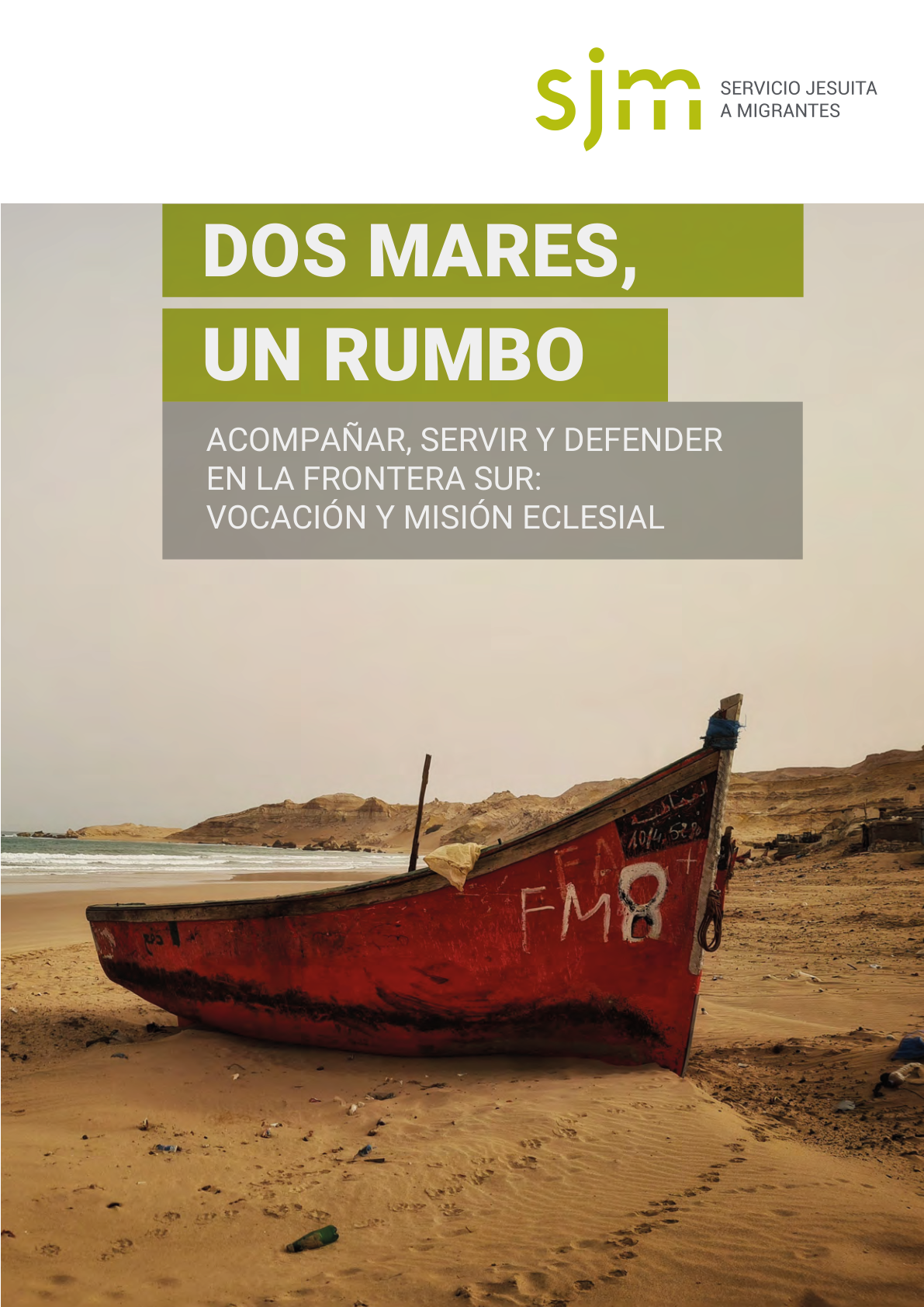
Two Seas, One Course: The 2026 Jesuit Migrant Service Report on Spain’s Southern Border
- Josep Buades
The annual report of the Jesuit Migrant Service (SJM), the social apostolate body of the Society of Jesus in Spain, written by Josep (Pep) Buades Fuster, examines the migratory dynamics of Spain’s ...
publication
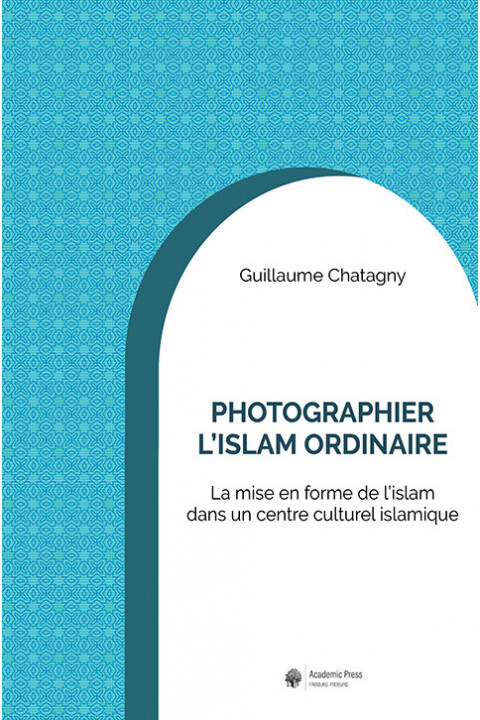
Photographing Ordinary Islam
- Guillaume Chatagny
What does Islam concretely look like within a Muslim association? This is the question addressed by sociologist Guillaume Chatagny in this book, based on fieldwork conducted between 2017 and 2021 w...

article
Leo XIV’s encyclical Magnifica Humanitas and the Pluriel working group on AI-assisted interreligious dialogue
- Wael Saleh
Text by Wael Saleh, researcher at the Université du Québec à Montréal (UQAM) and member of the Pluriel coordination committee. The simultaneous appearance of Leo XIV's encyclical Magnifica Human...
publication
The Recognition of a Hummingbird. Essays on Interreligious Dialogue and Missionary Work (2007-2025)
- Rémi Caucanas
Published in May 2026 by PISAI (Pontifical Institute for Arabic and Islamic Studies, Rome), this collection brings together the essays of Rémi Caucanas on interreligious dialogue and missionary wor...
videos
From Lavigerie to PISAI: The Institutional History of the Missionaries of Africa’s Engagement with Islam
Delivered on 21 May 2026 at the Pontifical Institute for Arabic and Islamic Studies (PISAI) in Rome, this lecture opens the series of conferences marking the institute's centenary (1926-2026). Fr. ...