
The (neo) Muslim Brothers and the new capitalist spirit
Capitalism or the new capitalist spirit (whether neo-liberal or liberal in orientation) is undoubtedly a steamroller. Nothing seems to be able to stop it or even resist it, including from the holy places of the Muslim religion in Saudi Arabia. This country is the archetypal crossroads of all the contradictions and excesses observable in many politically committed Muslims: a temple of dynastic despotism, religious literalism, consumerism, capitalism and… piety! Islam and Muslims, even the most resolutely dogmatic, theorists, activists or simple militants, do not escape the merciless claws of Capital. Worse, they are generally the relay servants, if not servile, conscious or unconscious, of a capitalist doxa that does not say its name. Often, the figures of Islam studied, known (like Tariq Ramadan) or less known, militate for a ‘fundamentalist’ religious offer, openly anti-modern or, in a more nuanced way, critical of modernity, through certain effects judged to be perverse from the point of view of religious law. But at the same time, they develop and maintain capitalist attitudes and a capitalist imagination. Few of them adopt a radically anti-capitalist vision and behaviour in the name of a Muslim faith that is less materialistic than spiritual. Resistance is being organised willy-nilly. However, more significantly, the adoption of a capitalist ethos, whether avowed or not, does not signal the end of political critique, still less the dissolution of Islamist ideology and the triumph of a supposedly emancipatory individualism. This paper is based on a theoretical and empirical examination of a number of personalities in the national and Arab Islamic field. One constant seems to stand out: a particularly strong right-wing or even extreme right-wing orientation, a strong attraction to money and profit, and a strong moral rigorism!
Haoues Seniguer is a lecturer in political science at Sciences Po Lyon and a researcher at the Triangle laboratory, UMR 5206, Lyon. He is a specialist in Islamism and works on the relationship between Islam and politics in the Arab and French context.
Le capitalisme ou le nouvel esprit capitaliste (qu’il soit d’orientation néo-libérale ou libérale) est incontestablement un rouleau compresseur. Rien ne semble pouvoir l’arrêter ni même lui résister, y compris depuis les lieux saints de la religion musulmane en Arabie saoudite. Ce pays est le carrefour archétypal de toutes les contradictions et excès observables chez de nombreux musulmans politiquement engagés : temple du despotisme dynastique, du littéralisme religieux, du consumérisme, du capitalisme et… de la piété ! L’islam et les musulmans, même les plus résolument dogmatiques, théoriciens, activistes ou simples militants, n’échappent pas aux impitoyables griffes du Capital. Pis, ils sont généralement les servants relais, sinon serviles, conscients ou inconscients, d’une doxa capitalistique qui ne dit pas son nom. Souvent, les figures de l’islam étudiées, connues (à l’instar de Tariq Ramadan) ou moins connues, militent pour une offre religieuse « intégraliste », ouvertement antimoderne ou, de manière plus nuancée, critique de la modernité, au travers de certains effets jugés pervers du point de vue de la Loi religieuse. Mais tout en développant et entretenant en parallèle des attitudes et un imaginaire capitalistiques. Rares alors sont ceux qui, parmi elles, adoptent une vision et un comportement radicalement anticapitalistes au nom d’une foi musulmane moins matérialiste que spirituelle. Des résistances s’organisent bon gré mal gré. Toutefois, de manière plus significative, l’adoption d’un ethos capitaliste, avoué ou non, ne signe en rien la fin de la critique politique, et encore moins la dissolution de l’idéologie islamiste et le triomphe d’un individualisme supposément émancipateur. C’est sur la base d’un examen théorique et empirique de quelques personnalités du champ islamique national et arabe que cette réflexion se fonde en grande partie. Une constante semble nettement se dégager : un ancrage particulièrement marqué à droite, voire à l’extrême droite, un attrait aiguisé pour l’argent et les bénéfices, et un rigorisme moral à toute épreuve !
Haoues Seniguer est maître de conférences en science politique à Sciences Po Lyon et chercheur au laboratoire Triangle, UMR 5206, Lyon. Il est spécialiste de l’islamisme et mène des travaux sur les rapports entre islam et politique en contexte arabe et français.
Entretien vidéo sur Oumma TV : https://www.youtube.com/watch?app=desktop&v=spfk1fciGNM
تشكّل الرأسمالية أو الروح الرأسمالية الجديدة (أكانت ذات توجّه ليبرالي أو ليبرالي جديد) من دون شكّ أداة ساحقةً يعجز أيّ أمر عن ردعها أو التصدّي لها، بما في ذلك ما يصدر عن الأماكن المقدّسة الإسلامية الكائنة في المملكة العربيّة السعوديّة. ذلك أنّ هذا البلد يشكّل نقطة التقاء نموذجية لجميع التناقضات والتجاوزات الظاهرة لدى الكثير من المسلمين المنخرطين في الحياة السياسيّة: معبد للاستبداد السُلالي، والتقيّد بحرفيّة الدين، والنزعة الاستهلاكية، والرأسمالية و … التقوى! فالإسلام والمسلمون، حتى الأكثر تمسّكاً بالعقائد، والمنظّرون، والنشطاء أو المناضلون البسطاء، لا ينجون من براثن الرأسمالية القاسية. والأسوأ من ذلك، تراهم عموماً يؤدّون دور الخدّام الأتباع، أذلّاء عن وعي أو من دون وعي، لعقيدة رأسمالية لا تذكُر اسمها.إنّ الشخصيات الإسلامية التي تمّت دراستها، المشهورة منها (شأن طارق رمضان) أو الأقلّ شهرةً، غالباً ما تناضل في سبيل عرض دينيّ “أصولي” يعادي الحداثة بشكل علنيّ، أو بطريقة أكثر دقة ينتقد الحداثة، من خلال تأثيرات معيّنة يعتبرها الشرع الديني منحرفةً. إلا أنّ هذه الشخصيات نفسها تعمدُ في الوقت ذاته إلى تطوير تصرّفات ورؤية خيالية رأسمالية والحفاظ عليها. قلّة منها تتبنّى في المقابل رؤية وسلوكاً مناهضين للرأسمالية بشكل جذري باسم دين مسلمٍ ذات طابعٍ أقلّ مادية وأكثر روحانيةً. من هنا تتشكّل مقاومات قسريّة عشوائية. إلا أنّ تبنّي التفكير الرأسمالي سواء علنيةً أم خفيةً، لا يعني إطلاقاً نهاية النقد السياسي ولا حتى تفكّك الأيديولوجية الإسلامية وانتصار الفردانية التحررية المفترضة. والواقع أنّ هذا التفكير المعمّق يرتكزُ إلى حدّ بعيدٍ على أسس دراسةٍ نظريّة وتجريبيّة لبعض الشخصيات البارزة في الحقل الإسلامي القومي والعربي انبثق عنها مفهومٌ ثابتٌ واضحٌ يتمثّلُ بتوجّه يمينيّ راسخ بل يميني متطرّف وانجذاب شديد نحو المال والأرباح والتزام تامّ بالأخلاقيات!
هاويس سينيغير، أستاذ محاضر في العلوم السياسية في معهد الدراسات السياسية في ليون وباحث في مختبرات Triangle، UMR 5206، ليون. إنّه متخصّص في الإسلاموية ويجري دراسات حول العلاقات بين الإسلام والسياسة في السياقين العربي والفرنسي.
By the same author on Pluriel
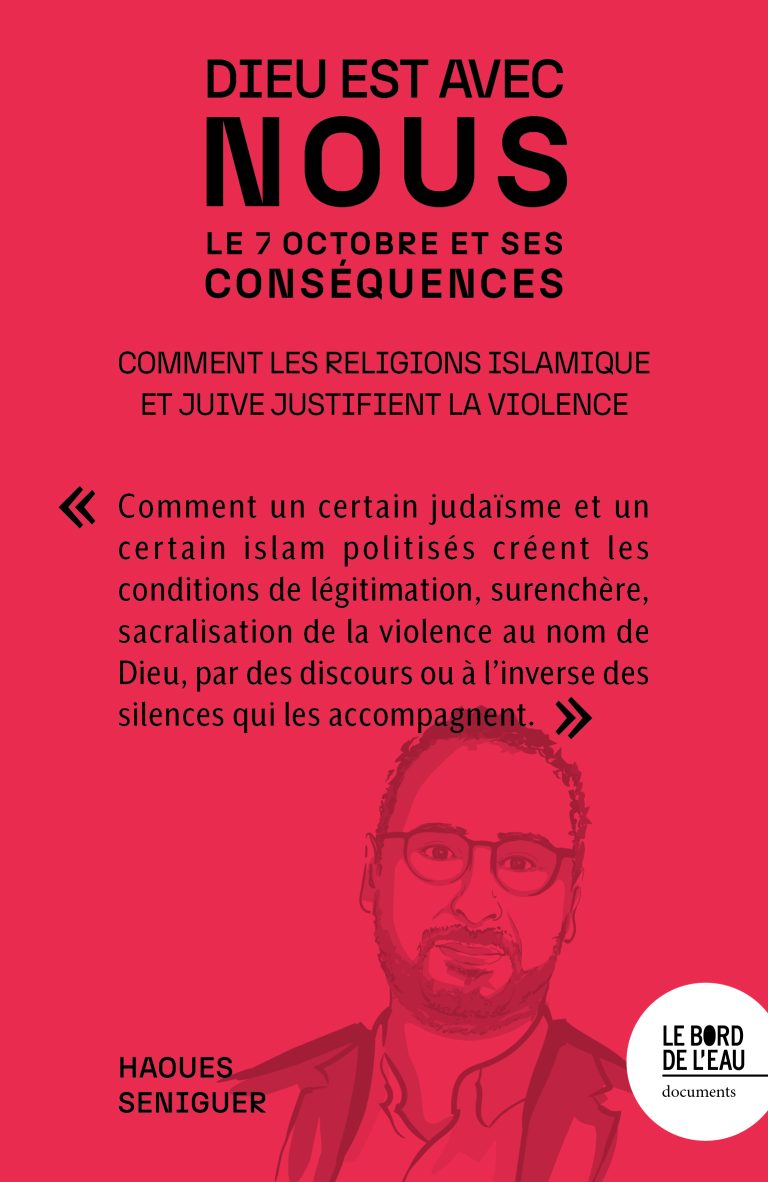 God Is with Us: How Islam and Judaism Justify Violence
Haoues Seniguer Long before October 7, 2023—and even more so since—certain politicized strands of Judaism and Islam have been creating conditions that legitimize, escalate, and sacralize…
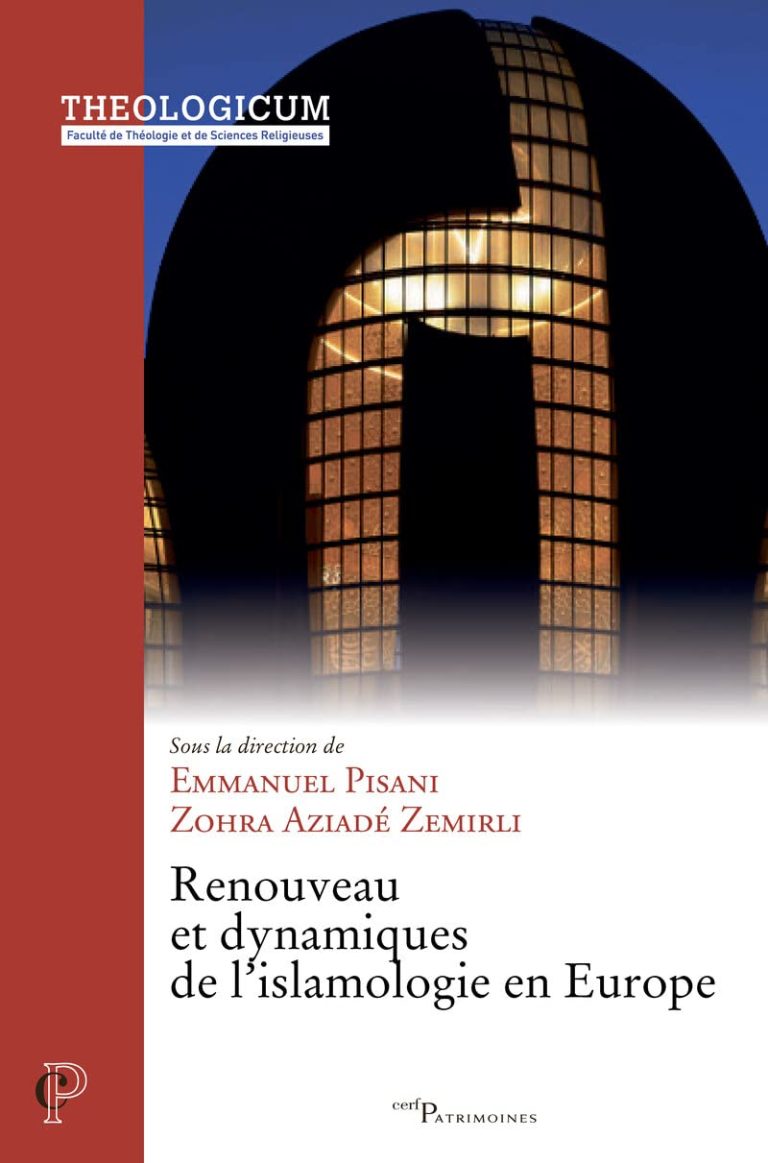 Revival and Dynamics of Islamic Studies in Europe
Michel Younès · Emmanuel Pisani · Cédric Baylocq · Zohra Aziadé Zemirli · Michele Brignone · Haoues Seniguer “In a troubled international context where Islam is sometimes defined as an ideological marker of many conflicts, academic research drawing on history, sociology, and…
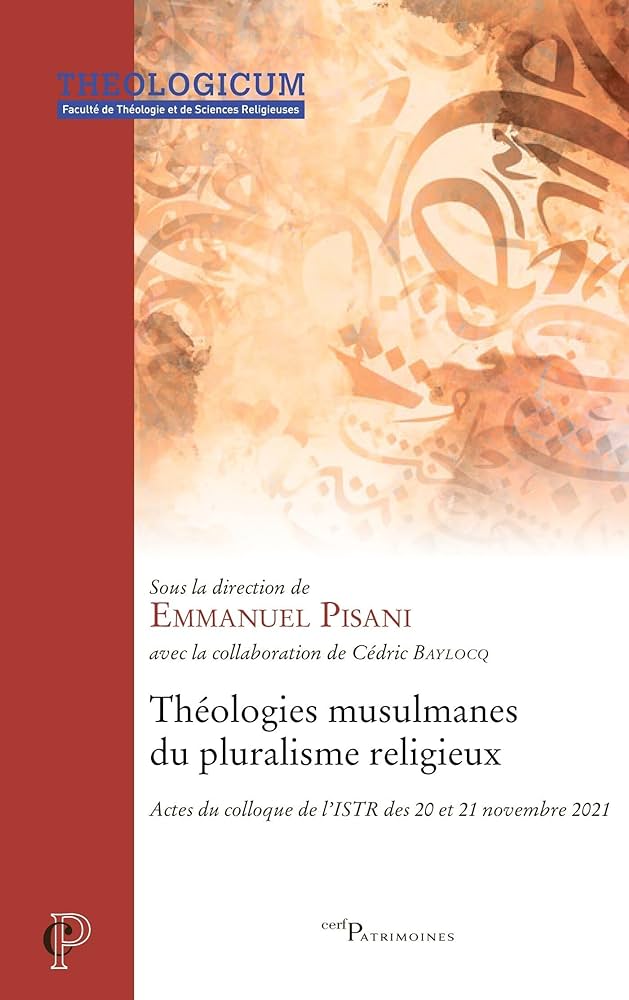 Muslim Theologies of Religious Pluralism. Proceedings of the Colloquium Held on November 20 and 21, 2021
Emmanuel Pisani · Cédric Baylocq · Anne-Sophie Vivier-Muresan · Zohra Aziadé Zemirli · Charbel Attallah · Haoues Seniguer · Youssouf Sangaré The laboratory of the Institute of Science and Theology of Religions of Paris (Theologicum, ICP) presents here the outcome of four years of research…
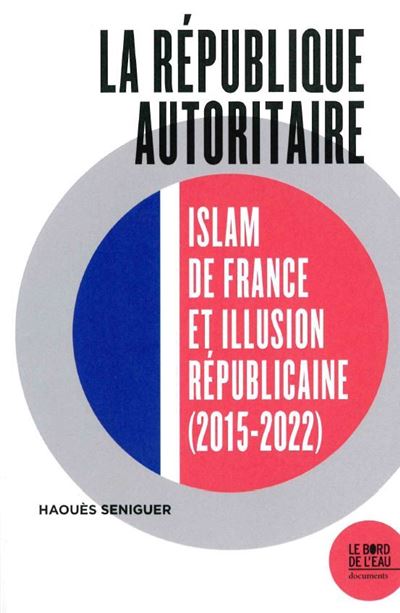 The authoritarian republic. Islam in France and the Republican illusion
Haoues Seniguer Publisher’s presentation The logic of suspicion has become the compass of the French state. Since 2015 and the attacks of January and November, the…
 Who is an authority in Islam in Switzerland and France?
Haoues Seniguer · Erwin Tanner · Michel Younès Elements of answers to a question studied by the research group on the theme "Authority and regulation in Islam" of the Centre for the…
 Authority and Regulation in Islam – Research group in Lyon
Erwin Tanner · Haoues Seniguer · Michel Younès Presentation of the research group on "Authority and Regulation in Islam" of the Centre for Cultural and Religious Studies (CECR, UCLy) with Michel Younès,…
Related resources: « Political Islam »
 Islam Seen through the Work of Aziz al-Azmeh
Wasim Salman Abstract Published in Arabic in issue 50 (2024) of Islamochristiana (PISAI, released in April 2025), this essay by Wasim Salman, president of PISAI and…
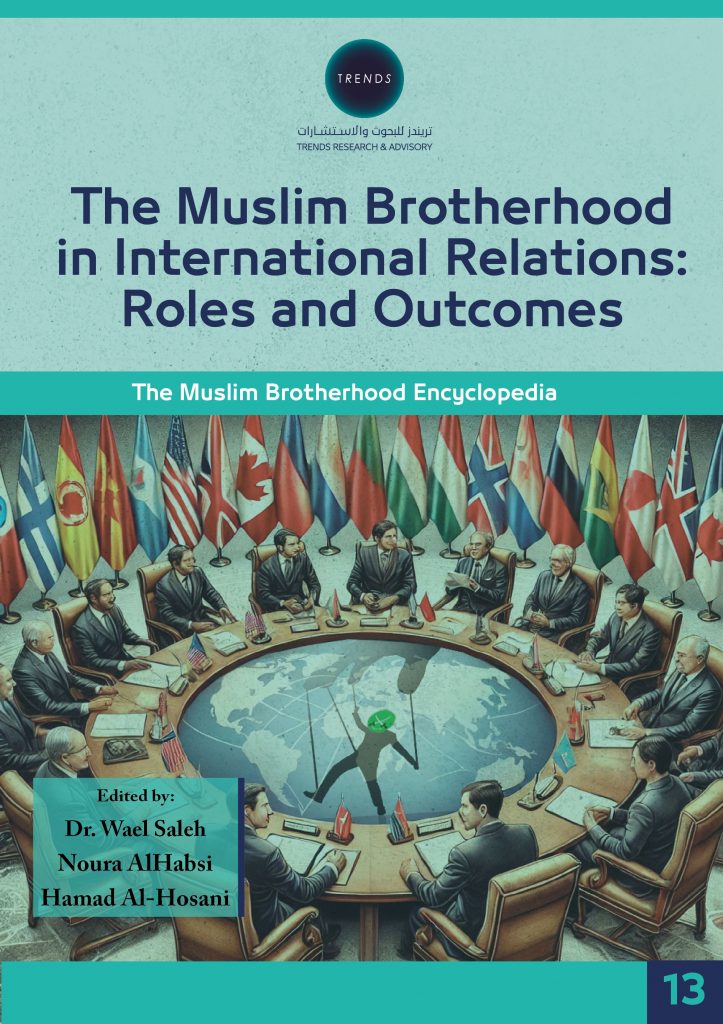 The Muslim Brotherhood in International Relations: Roles and Outcomes
Wael Saleh In this book published by TRENDS Research & Advisory (Abu Dhabi, May 2026), Wael Saleh, a member of Pluriel‘s coordination committee, examines the place…
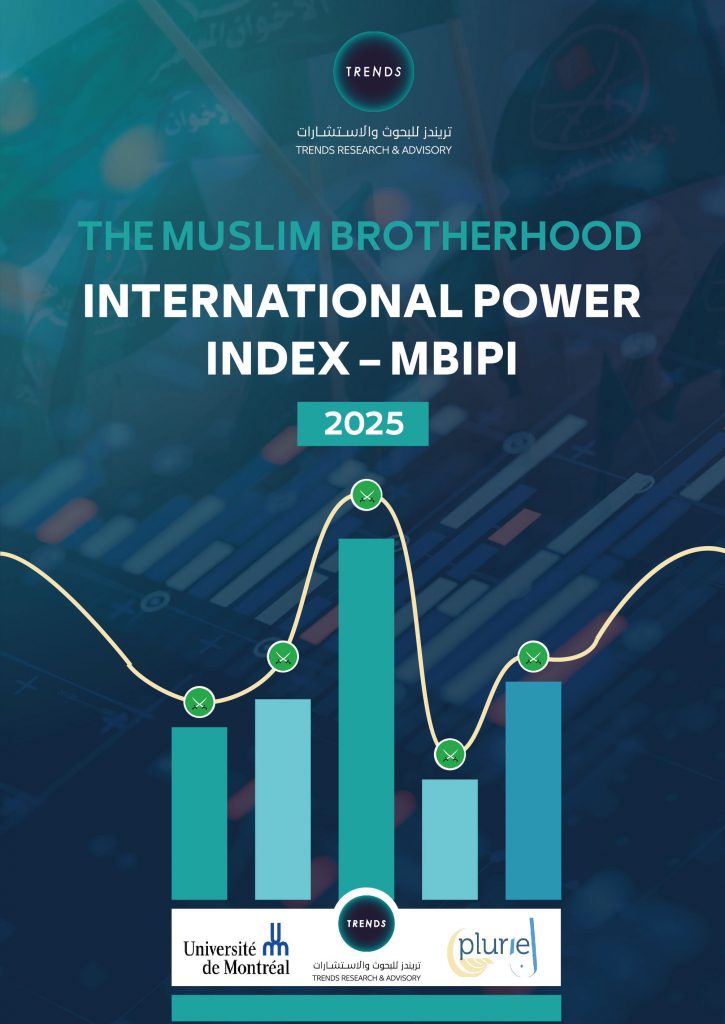 The Muslim Brotherhood International Power Index (MBIPI) 2025
Wael Saleh · Patrice Brodeur Published in February 2026 by TRENDS Research & Advisory (Abu Dhabi), The Muslim Brotherhood International Power Index (MBIPI) 2025 offers the first systematic, global…
 Al-Azhar and Politics in Egypt in the Post-Arab Spring: Al-Azhar’s Position within State-Society Relations (2011-2021)
Mohamed Gamal Ali Presentation This chapter analyses the transformations of al-Azhar's position within state-society relations in Egypt, from the 2011 revolution to 2021. A centuries-old religious institution,…
 The Politics of Family Laws in Egypt and Tunisia: A Comparative Study of State-Religion Relations
Mohamed Gamal Ali Abstract Egypt and Tunisia share many historical, cultural and political commonalities, yet their state-religion arrangements differ markedly, particularly regarding the scope of religious reference…
 From Islamic Reference to Conservative Pragmatism. The Sinuous Political Discourse of the Moroccan Party of Justice and Development
Mohamed-Ali Mostfa Online conference organised by Trends Research and Advisory, on the theme The Muslim Brotherhood in the Arab World: Signs of Decline and Strategies to…