

French

Controversy over the perception and status of the other (wala and bara)
Lecture by Emmanuel PISANI, during the Second International Congress of PLURIEL in Rome
The concepts of wala and bara [loyalty/friendship – disloyalty/enmity] have led to the development of a theological doctrine within contemporary Wahhabism that commands a particularist and exclusivist ethic towards the other. Originally developed within Ibadism, it underwent a Sunni formalisation under the pen of Ibn Taymiyya. In contemporary times, in the 1970s and in the context of one of the manifestations of reformism, this doctrine was updated in order to establish the primacy of solidarity based on belonging to the Muslim umma.
It has led to the rejection of any form of social, cultural, economic or political relations or collaborations with non-Muslims. Under the pen of al-Zawahiri[2], it gave rise to a political doctrine that led to the rejection of the notion of citizenship derived from Western modernity. It is now at the heart of Daesh’s political apparatus. However, a historical look shows that this doctrine had already given rise to a refutation by Ahmad Ibn Hanbal who saw in it an innovation (bi’a). The object of our communication will be to restore the theological foundations of the controversy.
A symptomatic question of the difficulty in Islam in thinking about pluralism, it will also be a question of exposing the arguments advanced by contemporary Muslim thinkers who, like Gamal al-Banna sees this doctrine as a scourge that drives generations of young people into anger and rejection of the non-Muslim.
[1]’Abd ar-Ra hman ’Abd al- Haliq, al-Wala al-Bara. Kuweit, 1978 ; Muhammad ibn Sa’id al-Qahtani, Min mafahim ’aqidat al-salaf al-salih. Al-Wala’ wa-l-bara’ fi l-islam. 6. Vol., Dar at-Taiyiba, La Mecque, 1413 ; Salih ibn Fawzan, al-Wala’ wa-l-bara’ fi l-islam, Gam ’iyat al-Kitab wa-l-sunna, Gaza, s.d.
[2]Al-Zawahiri, al-Wala’ wa-l-bara’. ’Aqida manqula wa-waqi’ mafqud.
[3]Gamal al-Banna, Na’am li-l-wala’ la li-l-bara’, al-Qahira, Dar al-Fikr al-Islami, 2007.
Original title : “Controverse sur la perception et le statut de l’autre (wala et bara)”
Conférence d’Emmanuel PISANI, lors du deuxième congrès international de PLURIEL à Rome
Les concepts de wala et de bara (loyauté/amitié – déloyauté/inimité) ont donné lieu à l’élaboration d’une doctrine théologique au sein du wahhabisme contemporain qui commande une éthique particulariste et exclusiviste à l’égard de l’autre[1]. Elaborée originellement au sein de l’ibadisme, elle a connu une formalisation sunnite sous la plume d’Ibn Taymiyya.
À l’époque contemporaine, dans les années 1970 et dans le contexte d’une des manifestations du réformisme, cette doctrine a été actualisée afin de fonder la primauté d’une solidarité basée sur l’appartenance à l’umma musulmane. Elle a conduit à justifier le rejet de toute forme de relations ou de collaborations sociales, culturelles, économiques ou politiques avec les non musulmans. Sous la plume d’al-Zawahiri[2], elle a donné naissance à une doctrine politique qui a conduit à rejeter la notion de citoyenneté issue de la modernité occidentale. Elle est aujourd’hui au cœur du dispositif politique de Daesh. Pourtant, un regard historique montre que cette doctrine avait déjà donné lieu à une réfutation par Ahmad Ibn Hanbal qui y voyait une innovation (bid’a).
L’objet de notre communication consistera à restituer les fondements théologiques de la controverse. Question symptomatique de la difficulté en islam à penser le pluralisme, il s’agira aussi d’exposer les arguments avancés par des penseurs musulmans contemporains qui, à l’instar de Gamal al-Banna, voient dans cette doctrine un fléau conduisant des générations de jeunes dans la colère et le rejet du non musulman[3].
[1]’Abd ar-Ra hman ’Abd al- Haliq, al-Wala al-Bara. Kuweit, 1978 ; Muhammad ibn Sa’id al-Qahtani, Min mafahim ’aqidat al-salaf al-salih. Al-Wala’ wa-l-bara’ fi l-islam. 6. Vol., Dar at-Taiyiba, La Mecque, 1413 ; Salih ibn Fawzan, al-Wala’ wa-l-bara’ fi l-islam, Gam ’iyat al-Kitab wa-l-sunna, Gaza, s.d.
[2]Al-Zawahiri, al-Wala’ wa-l-bara’. ’Aqida manqula wa-waqi’ mafqud.
[3]Gamal al-Banna, Na’am li-l-wala’ la li-l-bara’, al-Qahira, Dar al-Fikr al-Islami, 2007.


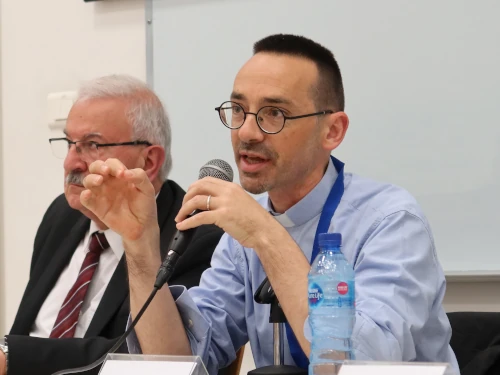
Resources of this researcher
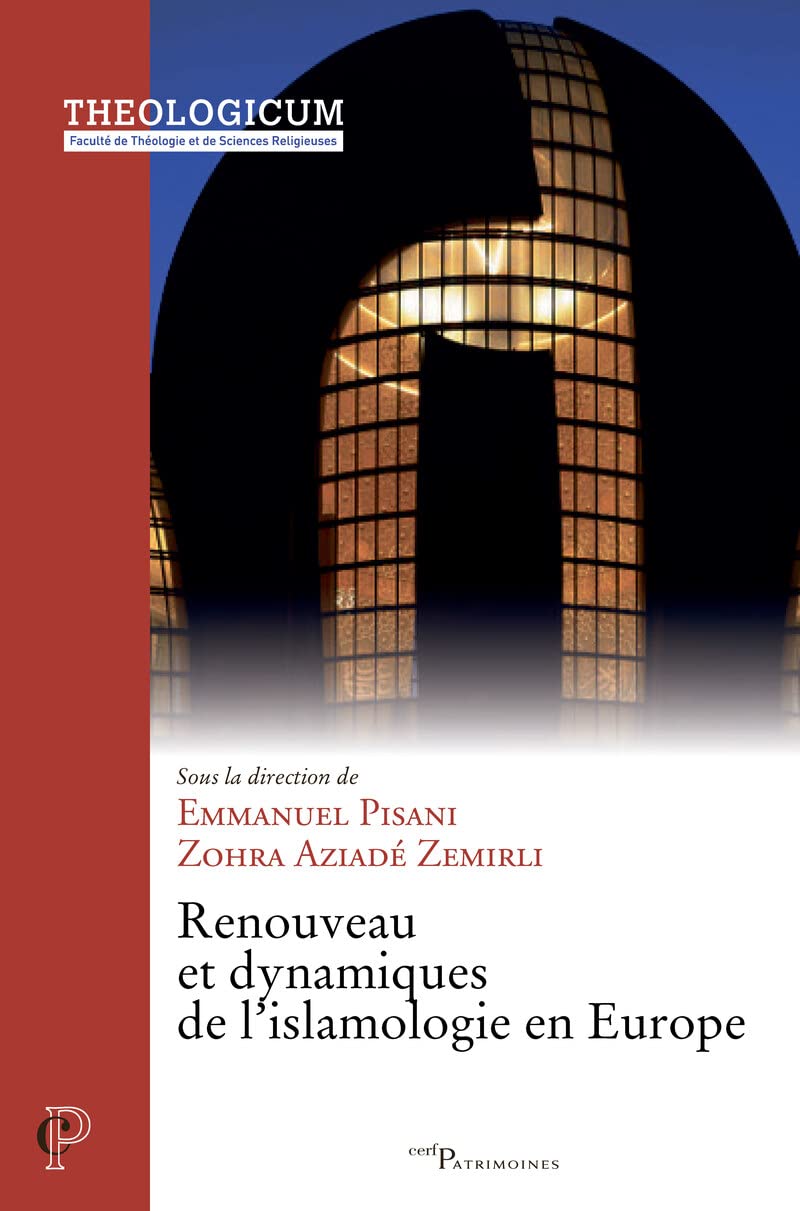
publication
Revival and Dynamics of Islamic Studies in Europe
“In a troubled international context where Islam is sometimes defined as an ideological marker of many conflicts, academic research drawing on history, sociology, and political science has mu...
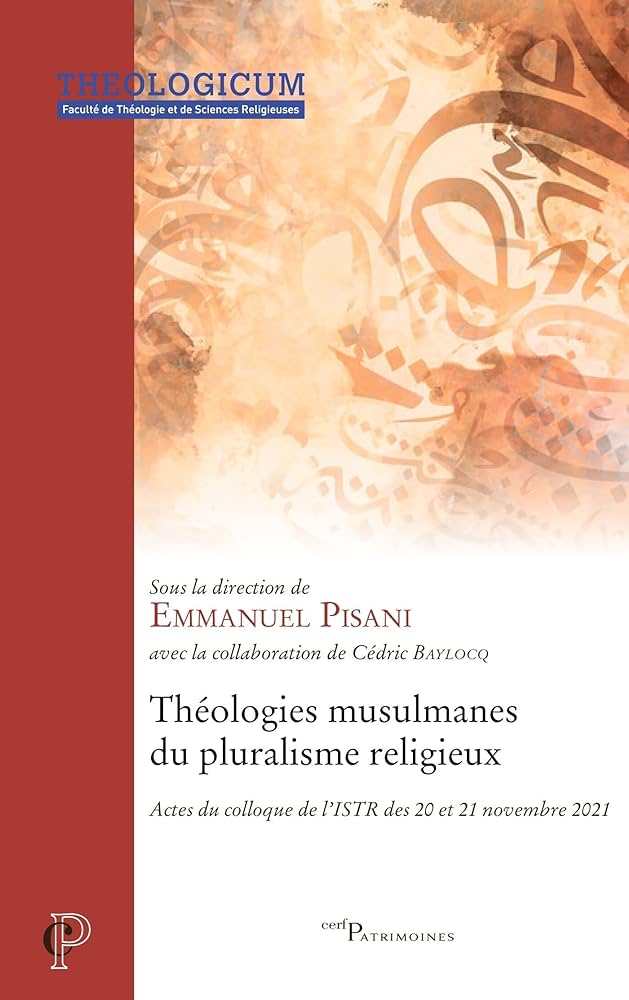
publication
Muslim Theologies of Religious Pluralism. Proceedings of the Colloquium Held on November 20 and 21, 2021
The laboratory of the Institute of Science and Theology of Religions of Paris (Theologicum, ICP) presents here the outcome of four years of research on the theme of religious pluralism in Islam. Wh...
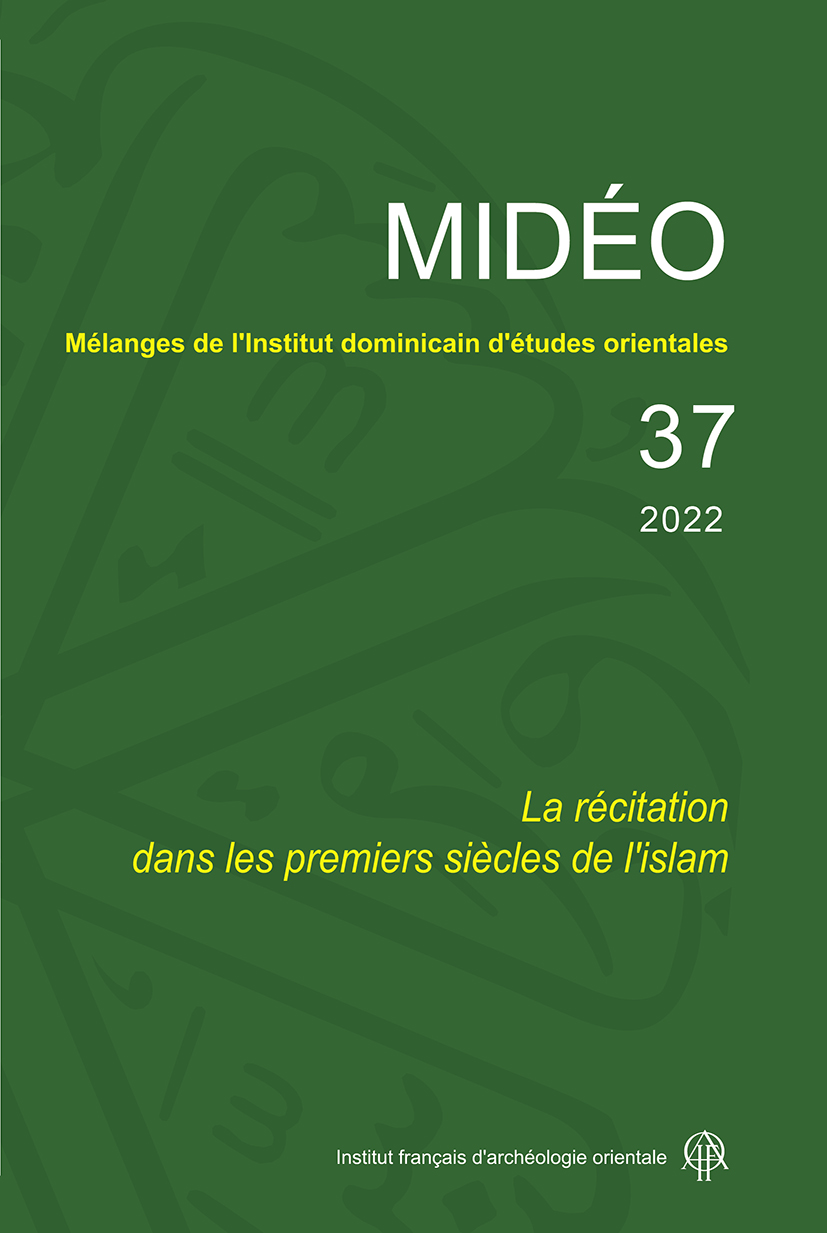
publication
MIDÉO No. 37: Recitation in the early centuries of Islam
The history of reciting the Quran has been rarely studied. This volume comprises most of the papers presented at the Third IDEO Conference held in Cairo in October 2020 on reciting in the early Isl...

videos
Synthesis of the congress ‘Islam and Otherness’
Friar Emmanuel Pisani, Director of the Dominican Institute of Oriental Studies, Cairo 3rd International Congress of the PLURIEL network, from 23 to 27 May 2022 in Beirut. In partnership with the ...
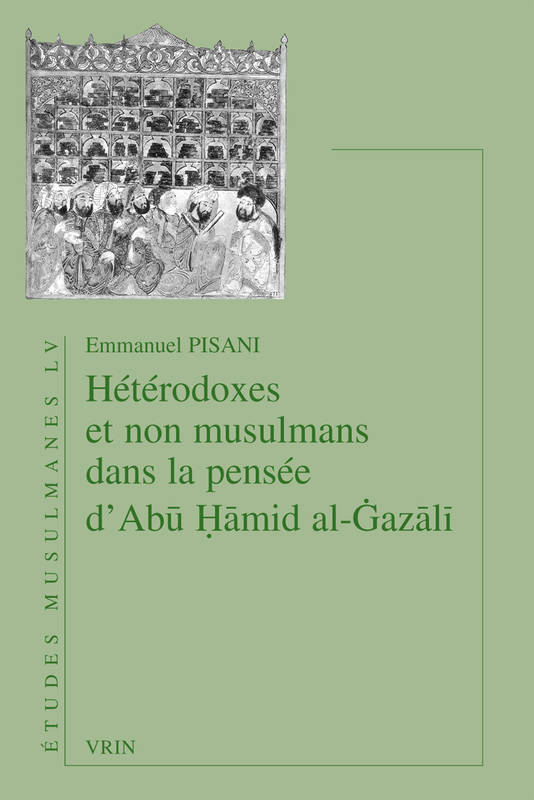
publication
Heterodox and non-Muslim in the thought of Abū Ḥāmid al-Ġazālī
This study addresses the question of how to view and understand religious otherness from a Muslim perspective, in the light of one of its greatest thinkers. Starting from a questioning of the statu...

videos
al-Ġazālī, a figure of a magisterial authority?
Conference « Religious Authority in Islam », organised by the Centre for the Study of Cultures and Religions and the Research Unit of the Catholic University of Lyon (UCLy), on 18 and 19 November 2...
publication
MIDEO 36 – Iǧtihād and taqlīd in Sunnī and Šīʿī Islam
The theme of iǧtihād and taqlīd, by pointing to the notional antagonism between independent reasoning on the one hand and submission to the argument of authority on the other, plunges us into the h...
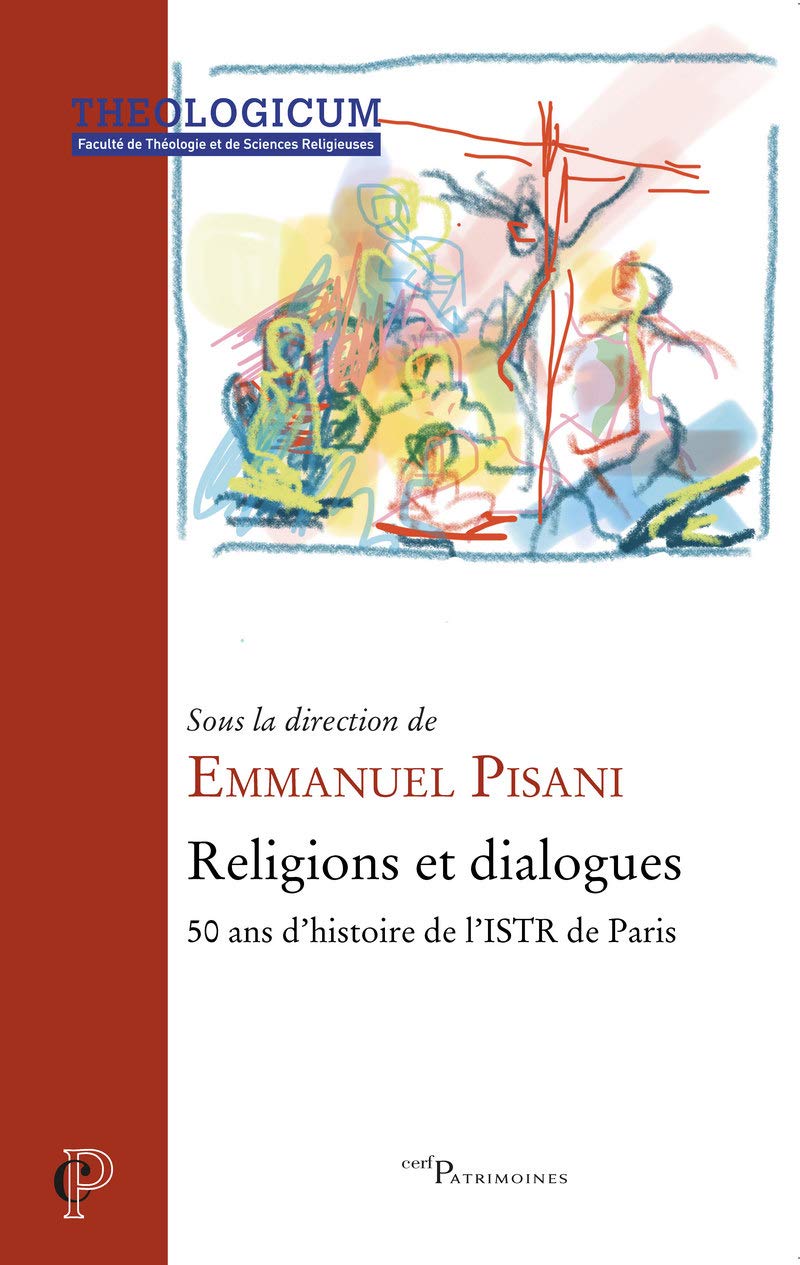
publication
Religions and dialogues
Founded in 1967 in the wake of the Vatican Council II at the request of the missionary congregations and of Rome, by Fathers Jean Daniélou and Henri Bouillard, the Paris Institute of Science and Th...
publication
MIDEO 35 – Interactions between Twelver Shiites and Christians
This volume 35 is made up of a dossier gathering most of the papers presented at the conference held in April 2018 at the Institut Catholique de Paris on the interactions between Imamites and Chris...
Resources related to Political Islam
publication
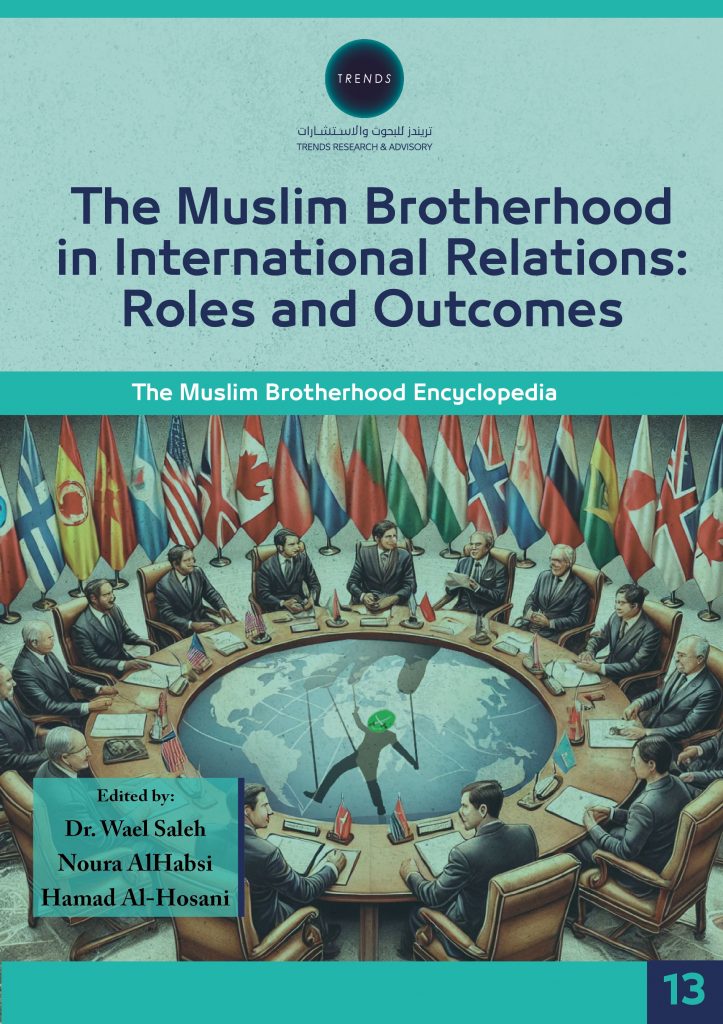
The Muslim Brotherhood in International Relations: Roles and Outcomes
- Wael Saleh
In this book published by TRENDS Research & Advisory (Abu Dhabi, May 2026), Wael Saleh, a member of Pluriel‘s coordination committee, examines the place and modes of action of the Muslim ...
videos
Interreligious Dialogue and Ethnic Nationalisms in the Balkans
At the invitation of PISAI (Pontifical Institute for Arabic and Islamic Studies, Rome) and Georgetown University, Ahmet Alibašić, professor of Islamic civilization at the Faculty of Islamic Studies...
publication
Islam and Muslims. Doctrines, Schools of Thought, and Current Trends
- Michel Younès
Publication date: April 16, 2026. Islam, as a historical, religious, and civilizational reality, is difficult to define. It can be perceived as a form of political governance, an expression of fait...

videos
Aesthetics and politico-ethics of Islamic thought: for a new reading of Averroes
Paper presented at the 5th international congress of the University Platform for Research on Islam (Pluriel), held in Cordoba from 10 to 14 February 2026 on the theme "Ethics and Aesthetics in Isla...
publication
Sayyid Qutb. Architect of Radical Islamism
- Mounia Ait Kabboura
The thought of Sayyid Qutb (1906–1966) has profoundly shaped a wide range of religio-political movements, from the Muslim Brotherhood to Salafi-jihadists, radicalizing political Islam and inspiring...

publication
God Is with Us: How Islam and Judaism Justify Violence
- Haoues Seniguer
Long before October 7, 2023—and even more so since—certain politicized strands of Judaism and Islam have been creating conditions that legitimize, escalate, and sacralize violence in God’s na...
article
Al-Azhar and Politics in Egypt in the Post-Arab Spring: Al-Azhar’s Position within State-Society Relations (2011-2021)
- Mohamed Gamal Ali
Presentation This chapter analyses the transformations of al-Azhar's position within state-society relations in Egypt, from the 2011 revolution to 2021. A centuries-old religious institution, al-Az...
article
The Politics of Family Laws in Egypt and Tunisia: A Comparative Study of State-Religion Relations
- Mohamed Gamal Ali
Abstract Egypt and Tunisia share many historical, cultural and political commonalities, yet their state-religion arrangements differ markedly, particularly regarding the scope of religious referenc...