
Church and Islam in Italy
This volume, which is one of the initiatives promoted by the Ecumenism and Interreligious Dialogue Office of the Italian Bishops’ Conference, aims to illustrate and encourage the encounter and dialogue between Christians and Muslims. The authors explain that understanding Islam in Italy requires knowledge of Muslim organisations, ecclesiastical law and the figure of the imam, as well as a concrete encounter in the places where people live: the community, the school, the oratory, the prison, the hospital. Without forgetting the daily dimension of Islam – from dietary rules to festivals – and concrete attention to the poor.
Ce volume, qui s’inscrit parmi les initiatives promues par le Bureau œcuménisme et dialogue interreligieux de la Conférence épiscopale italienne, se propose d’illustrer et de favoriser la rencontre et le dialogue entre chrétiens et musulmans. La compréhension de l’islam en Italie – expliquent les auteurs – passe par la connaissance des organisations musulmanes, du droit ecclésiastique, de la figure de l’imam, mais aussi par la rencontre concrète sur les lieux de la vie : la communauté, l’école, l’oratoire, la prison, l’hôpital. Sans oublier la dimension quotidienne de l’islam – des règles alimentaires aux fêtes – et l’attention concrète aux pauvres.
Sommaire
Préface (G. Bassetti). I. Paramètres pour la compréhension de l’islam en Italie. 1. Organisations musulmanes et droit ecclésiastique italien (A. Angelucci). 2. La figure de l’imam de l’islam classique à la situation italienne contemporaine (D. Tacchini). 3. La visite à la communauté islamique «de proximité» (A. Ferrari – V. Ianari). II. Cohabiter en fraternité. 4. L’école et les musulmans : un défi interculturel (A. Cuciniello). 5. Musulmans à l’oratoire (A. Negri). 6. Les musulmans en prison (I. De Francesco). 7. Rencontrer les musulmans à l’hôpital (I. De Francesco). III. Interpréter l’islam dans le quotidien. 8. Islam : règles alimentaires, jeûne et fêtes (A. Cuciniello – M. Rizzi). 9. La question des images dans l’islam (M. Bombardieri).La zakāt. L’islam et l’attention concrète aux pauvres (S. Paternoster). IV. Thèmes en marge. 11. Trop d’accueil ? Données et pistes pour discuter d’immigration, d’asile, de solidarité (M. Ambrosini). Postfazione (A. Spreafico – C. Bettega).
إنّ هذا العدد المندرج ضمن المبادرات التي روّجت لها دائرة الحركة المسكونية والحوار بين الأديان المنبثقة من المؤتمر الأسقفي الإيطالي، يهدف إلى توضيح اللقاء والحوار بين المسيحيين والمسلمين وتشجيعهما. فعمليةُ فهم الإسلام في إيطاليا، بحسب ما يشرحه المؤلفون، تمرّ بمعرفة المنظّمات الملسمة، والقانون الكنسي، وصورة الإمام وبلقاء المسلمين الفعليّ في أماكن الحياة العامّة: المجتمع المحلّي، والمدرسة، والمصلى، والسجن والمستشفى. يجدر كذلك بعملية الفهم هذه أن تطال البُعدَ اليومي للإسلام، من قواعد تناول الطعام إلى الأعياد، والاهتمامَ الفعليّ الملموس بالفقراء.
Descrizione
La comprensione dell’islam in Italia – spiegano gli autori – passa attraverso la conoscenza delle organizzazioni musulmane, del diritto ecclesiastico, della figura dell’imam, ma anche tramite l’incontro concreto nei luoghi della vita: la comunità, la scuola, l’oratorio, il carcere, l’ospedale. Senza dimenticare la dimensione quotidiana dell’islam – dalle regole alimentari alle feste – e l’attenzione concreta nei confronti dei poveri.
Sommario
By the same authors on Pluriel
 Islamic Visions of Jesus: Revelation, Prophecy, and Eschatology
Antonio Cuciniello Abstract Published in the collective volume Jerusalem in Memory and Eschatology: Jewish, Christian, and Muslim Visions of the Past and Future of Jerusalem, edited…
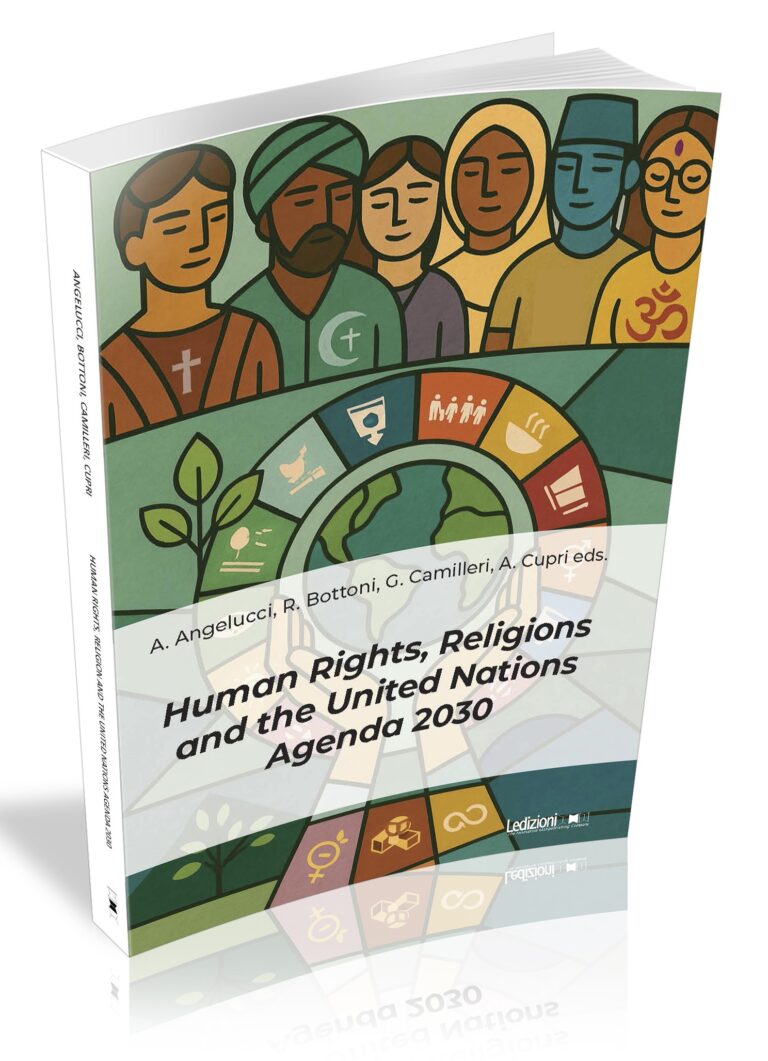 The Role of Islam and its Organizations in Cooperating on the Goals of the Agenda 2030
Antonio Angelucci A chapter by Antonio Angelucci in Human Rights, Religions and the United Nations Agenda 2030 (A. Angelucci, R. Bottoni, G. Camilleri, A. Cupri eds.,…
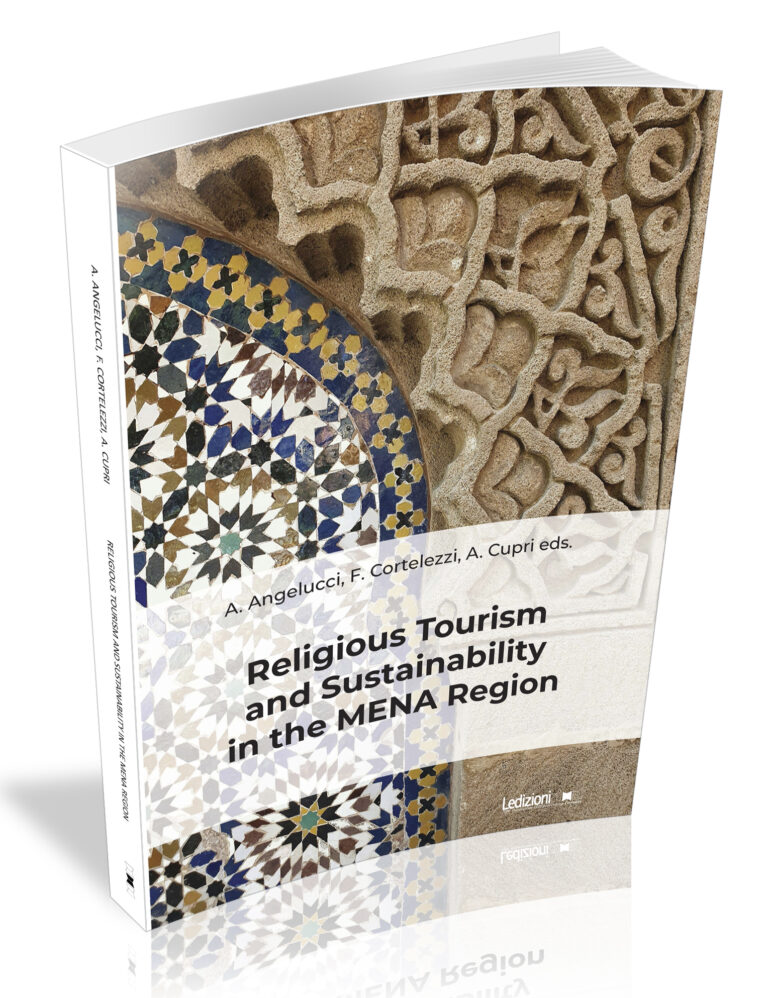 Religious Tourism and Sustainability in the MENA Region
Antonio Angelucci Edited by Antonio Angelucci, Flavia Cortelezzi and Alessandro Cupri (Ledizioni, 2025), this volume offers a theoretical and methodological framework for religious tourism, a continuously…
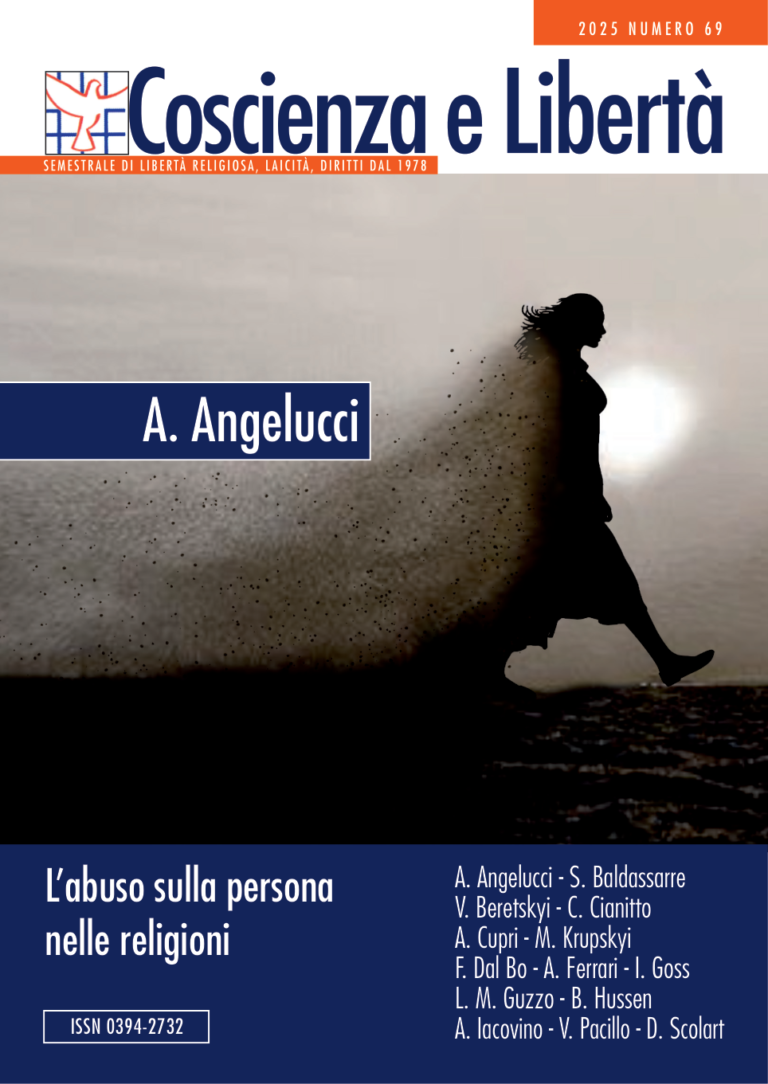 “Inclusive Citizenship, the Right to a Place of Worship and Everyday Peace”, by Antonio Angelucci
Antonio Angelucci In an article published in the Italian journal Coscienza e Libertà (no. 69, 2025), Antonio Angelucci, associate professor of law and religion at the…
 The Genre of the Mawlid Narrative in the mid-12th h./18th Century as Exemplified by al-Barzanjī
Antonio Cuciniello Among the works of Arabic literature concerning the genre of Mawlid, certainly al-Barzanjī’s Mawlid is a text that has achieved great popularity and spread to large…
 The Abu Dhabi Document: A Potential Cornerstone for Islamic-Christian Dialogue in Italian Educational Contexts
Antonio Cuciniello In Italy, the migratory phenomenon has also had an impact on the school system, becoming an interesting potential field for intercultural and inter-religious encounters.…
Related resources: « Muslim-Christian Dialogue »
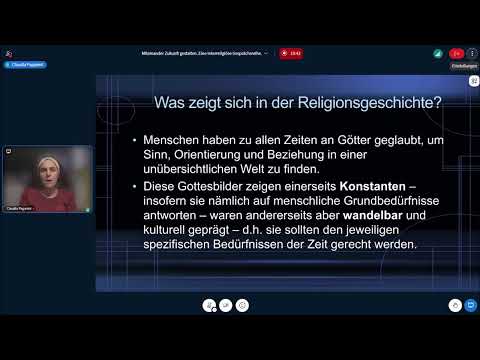 Artificial Intelligence, a New God? Christian and Muslim Perspectives
On 20 October 2026, the Centre for Interreligious Studies (ZIRS) at the University of Innsbruck, a partner institution of Pluriel, opened the semester of…
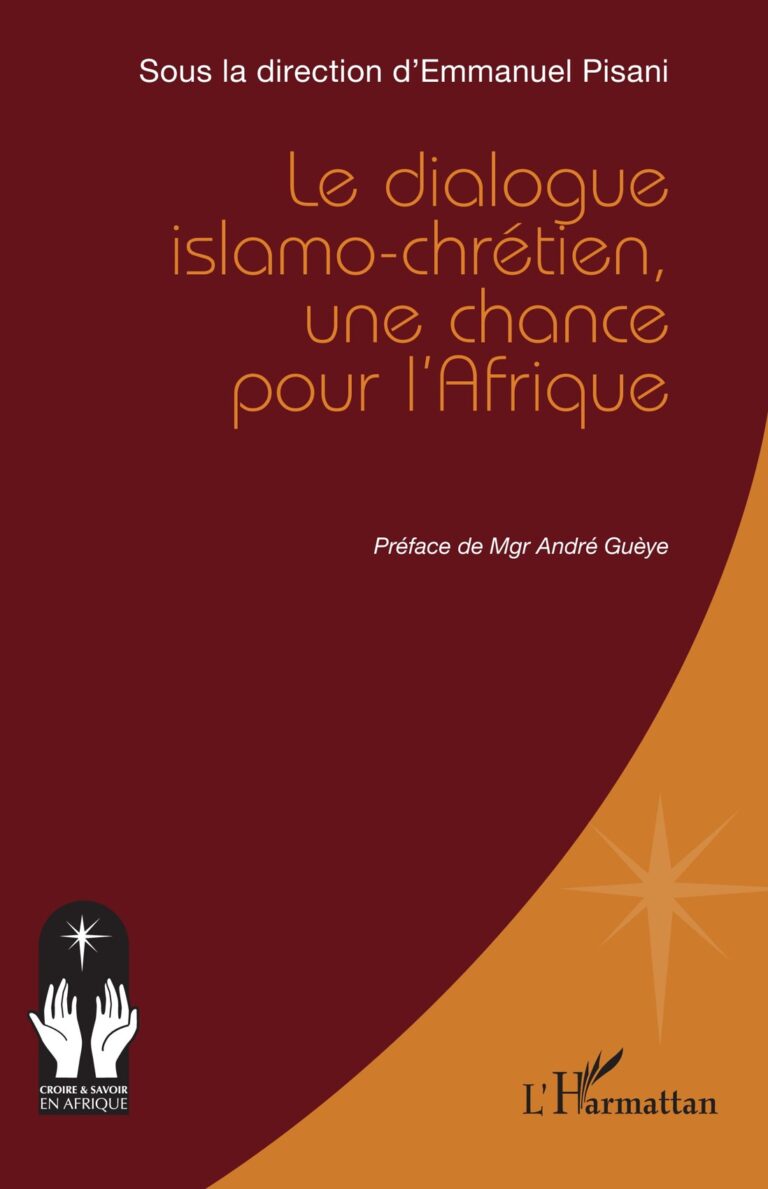 Christian-Muslim Dialogue, an Opportunity for Africa
Emmanuel Pisani At a time when sub-Saharan Africa is undergoing profound socio-political change and the rise of religious radicalism, Christian-Muslim dialogue emerges as an essential requirement…
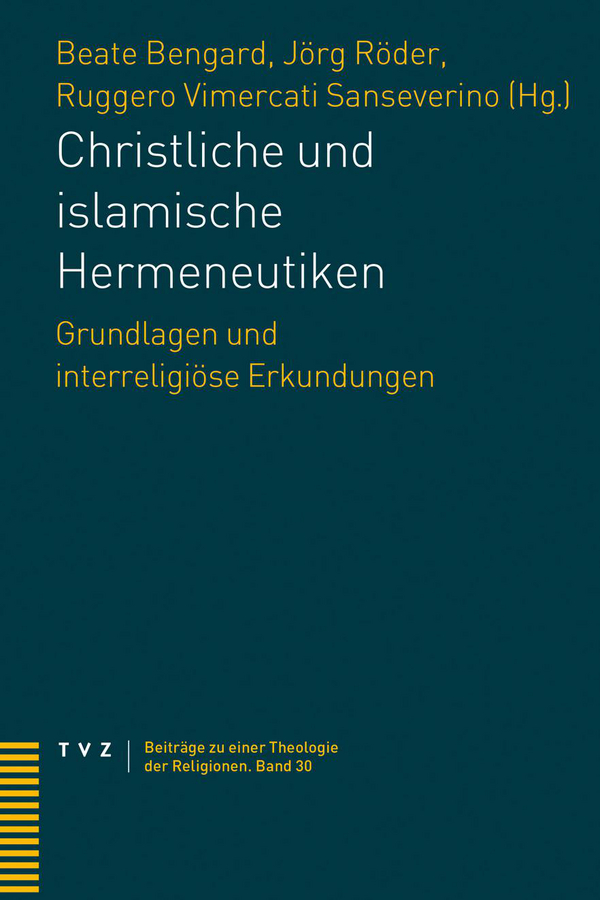 Christian and Islamic Hermeneutics: Foundations and Interreligious Explorations
Beate Bengard Published in October 2026 by TVZ (Theologischer Verlag Zürich) in the series “Beiträge zu einer Theologie der Religionen” (vol. 30, 451 p.), Christliche und…
 The First Council of Nicaea (325) and the Christian-Muslim Dialogue on God’s Unity and Trinity
Dirk Ansorge Abstract Published under the original title "Das erste Konzil von Nizäa (325) und der christlich-muslimische Dialog über Gottes Einheit und Dreifaltigkeit" in issue 2/2025…
 Christian-Muslim Relations Today: Some Reflections
David Marshall Abstract Published as "Christian-Muslim Relations Today: Some Reflections" in a special issue of The Muslim World marking the 50th anniversary of the Duncan Black…
 Ḥaydar Ibrāhīm ʿAlī, a Thinker on Multiple Fronts
Guy-Raymond Sarkis Abstract Ḥaydar Ibrāhīm ʿAlī, a Sudanese sociologist of religion, is a committed intellectual whose writings both arise from and respond to the challenges of…