
Publisher : Edizioni Dehoniane Bologna - Bologna

Italian


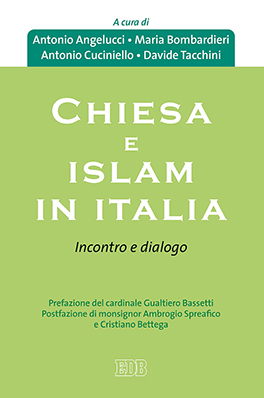
Church and Islam in Italy
This volume, which is one of the initiatives promoted by the Ecumenism and Interreligious Dialogue Office of the Italian Bishops’ Conference, aims to illustrate and encourage the encounter and dialogue between Christians and Muslims. The authors explain that understanding Islam in Italy requires knowledge of Muslim organisations, ecclesiastical law and the figure of the imam, as well as a concrete encounter in the places where people live: the community, the school, the oratory, the prison, the hospital. Without forgetting the daily dimension of Islam – from dietary rules to festivals – and concrete attention to the poor.
Ce volume, qui s’inscrit parmi les initiatives promues par le Bureau œcuménisme et dialogue interreligieux de la Conférence épiscopale italienne, se propose d’illustrer et de favoriser la rencontre et le dialogue entre chrétiens et musulmans. La compréhension de l’islam en Italie – expliquent les auteurs – passe par la connaissance des organisations musulmanes, du droit ecclésiastique, de la figure de l’imam, mais aussi par la rencontre concrète sur les lieux de la vie : la communauté, l’école, l’oratoire, la prison, l’hôpital. Sans oublier la dimension quotidienne de l’islam – des règles alimentaires aux fêtes – et l’attention concrète aux pauvres.
Sommaire
Préface (G. Bassetti). I. Paramètres pour la compréhension de l’islam en Italie. 1. Organisations musulmanes et droit ecclésiastique italien (A. Angelucci). 2. La figure de l’imam de l’islam classique à la situation italienne contemporaine (D. Tacchini). 3. La visite à la communauté islamique «de proximité» (A. Ferrari – V. Ianari). II. Cohabiter en fraternité. 4. L’école et les musulmans : un défi interculturel (A. Cuciniello). 5. Musulmans à l’oratoire (A. Negri). 6. Les musulmans en prison (I. De Francesco). 7. Rencontrer les musulmans à l’hôpital (I. De Francesco). III. Interpréter l’islam dans le quotidien. 8. Islam : règles alimentaires, jeûne et fêtes (A. Cuciniello – M. Rizzi). 9. La question des images dans l’islam (M. Bombardieri).La zakāt. L’islam et l’attention concrète aux pauvres (S. Paternoster). IV. Thèmes en marge. 11. Trop d’accueil ? Données et pistes pour discuter d’immigration, d’asile, de solidarité (M. Ambrosini). Postfazione (A. Spreafico – C. Bettega).
إنّ هذا العدد المندرج ضمن المبادرات التي روّجت لها دائرة الحركة المسكونية والحوار بين الأديان المنبثقة من المؤتمر الأسقفي الإيطالي، يهدف إلى توضيح اللقاء والحوار بين المسيحيين والمسلمين وتشجيعهما. فعمليةُ فهم الإسلام في إيطاليا، بحسب ما يشرحه المؤلفون، تمرّ بمعرفة المنظّمات الملسمة، والقانون الكنسي، وصورة الإمام وبلقاء المسلمين الفعليّ في أماكن الحياة العامّة: المجتمع المحلّي، والمدرسة، والمصلى، والسجن والمستشفى. يجدر كذلك بعملية الفهم هذه أن تطال البُعدَ اليومي للإسلام، من قواعد تناول الطعام إلى الأعياد، والاهتمامَ الفعليّ الملموس بالفقراء.
Descrizione
La comprensione dell’islam in Italia – spiegano gli autori – passa attraverso la conoscenza delle organizzazioni musulmane, del diritto ecclesiastico, della figura dell’imam, ma anche tramite l’incontro concreto nei luoghi della vita: la comunità, la scuola, l’oratorio, il carcere, l’ospedale. Senza dimenticare la dimensione quotidiana dell’islam – dalle regole alimentari alle feste – e l’attenzione concreta nei confronti dei poveri.
Sommario


 publisher's website
Author(s)


Resources of this researcher
Resources related to Muslim-Christian Dialogue

article
Kenneth Cragg and the Event of the Qur’an
- Timo Güzelmansur
Article by Timo Güzelmansur published under the title Kenneth Cragg und das Ereignis des Koran on the theological portal feinschwarz.net (12 June 2026, open access). Timo Güzelmansur presents the A...

article
Leo XIV’s encyclical Magnifica Humanitas and the Pluriel working group on AI-assisted interreligious dialogue
- Wael Saleh
Text by Wael Saleh, researcher at the Université du Québec à Montréal (UQAM) and member of the Pluriel coordination committee. The simultaneous appearance of Leo XIV's encyclical Magnifica Human...

publication
The Recognition of a Hummingbird. Essays on Interreligious Dialogue and Missionary Work (2007-2025)
- Rémi Caucanas
Published in May 2026 by PISAI (Pontifical Institute for Arabic and Islamic Studies, Rome), this collection brings together the essays of Rémi Caucanas on interreligious dialogue and missionary wor...
videos
From Lavigerie to PISAI: The Institutional History of the Missionaries of Africa’s Engagement with Islam
Delivered on 21 May 2026 at the Pontifical Institute for Arabic and Islamic Studies (PISAI) in Rome, this lecture opens the series of conferences marking the institute's centenary (1926-2026). Fr. ...
videos
Interreligious Dialogue and Ethnic Nationalisms in the Balkans
At the invitation of PISAI (Pontifical Institute for Arabic and Islamic Studies, Rome) and Georgetown University, Ahmet Alibašić, professor of Islamic civilization at the Faculty of Islamic Studies...
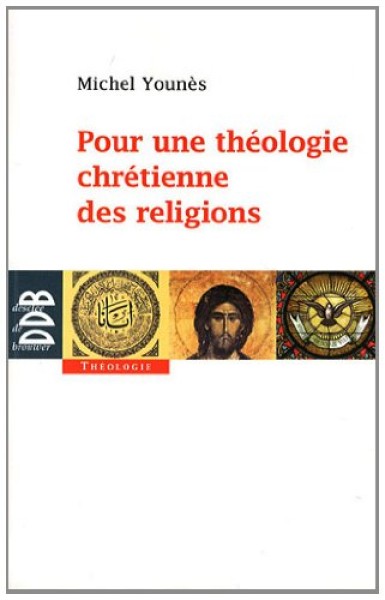
publication
For a Christian Theology of Religions
- Michel Younès
Faced with contemporary religious diversity, how can Christian theology make sense of the place that other religions occupy in God’s design? Michel Younès examines the three traditional ̶...
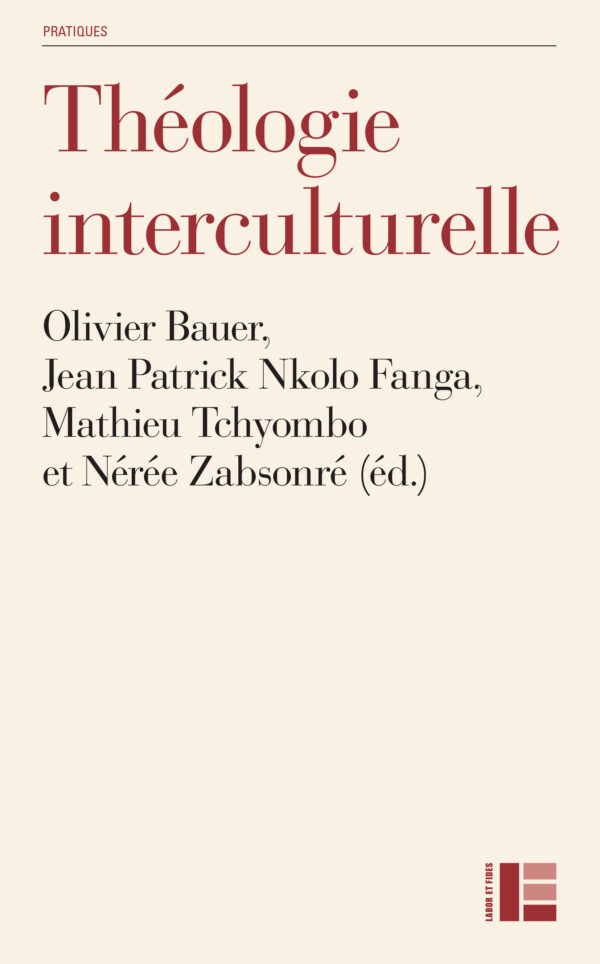
publication
Intercultural Theology
- Jean Patrick Nkolo Fanga
Because every theology is culturally situated, Christian theology is inevitably multicultural. Yet one step remains to be taken: to become intercultural. Crossing languages, contexts, origins, ages...
article
Bells and Muezzin in Harmony: Dialogue with Islam as a Spiritual Responsibility
- Timo Güzelmansur
Article by Timo Güzelmansur published under the title Glocken und Muezzin im Einklang. Der Dialog mit dem Islam als geistliche Verantwortung in Herder Korrespondenz (special issue devoted to Pope L...