

Italian

The right to religious freedom: a tool for managing citizen pluralism on both sides of the Mediterranean
Original title : “Il diritto di libertà religiosa: strumento di gestione del pluralismo cittadino sulle due rive del mediterraneo”
Lecture by Alessandro FERRARI at the second international Congress of PLURIEL in Rome.
The Muslim presence in Europe and a more visible pluralism on the southern shore of the Mediterranean give a new role to the right of religious freedom as an instrument of integration and management of contemporary plural societies. In particular, the tensions associated with the management of pluralism that seem to threaten traditional societal balances, both in the North and in the South, highlight the essential political nature of the right to religious freedom as an instrument in the hands of the states-for the protection of public order and their primacy.
The transformations of the contemporary right of religious freedom, which has become more functional to the collective-institutional framework than to the guarantee of individual bodies, reduce the distances between the two shores by allowing a comparison with their rights of religious freedom and their paths of citizen integration.
Titre original : “IL DIRITTO DI LIBERTÀ RELIGIOSA: STRUMENTO DI GESTIONE DEL PLURALISMO CITTADINO SULLE DUE RIVE DEL MEDITERRANEO”
Conférence d’Alessandro FERRARI lors du deuxième Congrès international de PLURIEL à Rome.
La présence musulmane en Europe et un pluralisme plus visible dans la rive Sud de la Méditerranéenne donnent un rôle nouveau au droit de liberté religieuse en tant qu’instrument d’intégration et de gestion des sociétés plurielles contemporaines. En particulier, les tensions liées à la gestion d’un pluralisme qui semble menacer les équilibres sociaux traditionnels, tant au Nord qu’au Sud, remettent en lumière la nature politique essentielle du droit à la liberté religieuse en tant qu’instrument dans les mains des états-nations pour la sauvegarde de l’ordre public et de leur primauté.
Les transformations du droit contemporain de liberté religieuse, devenu plus fonctionnel à l’encadrement collective-institutionnel qu’à la garantie des instances individuelles, réduisent les distances entre les deux rives en permettant un regard comparé aux leurs droits de liberté religieuse et aux leurs parcours d’intégration citoyenne.
Cette intervention traitera quatre points principaux :
1. Le rapport entre lutte pour la liberté religieuse et lutte pour une citoyenneté active dans les deux rives ;
= La revendication, au Nord comme au Sud, de la jouissance, sur un plan d’égalité, du même droit de liberté religieuse garanti aux groupes “plus établis” corresponde à une revendication de citoyenneté pleine. Par conséquent, le débat sur la liberté religieuse assume des contenus qui vont bien au-delà de sa dimension spécifique et traditionnelle.
2. Les dynamiques principales des droits de liberté religieuses dans les deux rives ;
= Dans la rive Nord la jouissance du droit de liberté religieuse par les musulmans devient l’occasion pour un processus d’ « ecclésiasticisation » des communautés musulmanes. Cela va amorcer un processus d’autonomisation destiné à produire ses effets aussi dans la rive Sud où les espaces juridiques nationaux, ainsi que les sphères publiques, sont de plus en plus sensibles au cadre globalisé.
3. Les transformations demandés aux musulmans en Europe et aux chrétiens dans la rive Sud pour participer activement à ce processus de “participation citoyenne” ;
= Au Nord les musulmans sont appelés à démontrer leur “loyauté” envers les acquis de la modernité politique pour accéder à une pleine citoyenneté publique. Au Sud les chrétiens sont appelés à accepter le pari de la sortie de leur privatisation autonomique pour jouer un rôle politique plein.
4. Le rôle joué par les dialogues intra-religieux, œcuménique et interreligieux dans ce processus ;
= Ces processus demandent un débat intra-religieux (entre différents groupes musulmans et chrétiens et entre leurs “laïcats” et “clergés”) ; œcuménique (au Nord le rôle des églises et des communautés chrétiennes pour la liberté religieuse des musulmans et au Sud en faveur des communautés religieuses non enregistrées) et inter-religieux (pour une liberté religieuses et une citoyenneté partagées et, donc, pour retrouver les intersections qui puissent faciliter la convergences des différents groupes religieux autour les piliers fondamentaux du “vivre ensemble”).
محاضرة ألقاها أليساندرو فيراري في المؤتمر الدولي الثاني الذي نظّمته شبكة PLURIEL في روما.
إنّ الوجود الإسلامي في أوروبا والتعدّدية الأكثر وضوحًا على الشاطئ الجنوبي للبحر الأبيض المتوسط يمنحان دورًا جديدًا للحقّ في حرية الدين والمعتقد كأداة لتكامل المجتمعات التعددية المعاصرة وإدارتها. والواقع أنّ التوتّرات المرتبطة بإدارة التعددية التي يبدو أنها تهدِّد التوازنات المجتمعية التقليدية في الشمال والجنوب على حدّ سواء، تسلِّطُ الضوءَ على الطبيعة السياسية الأساسية للحقّ في حرية الدين والمعتقد كأداة في أيدي الدول لتحميَ النظام العام وسلطتها المطلقة.
إنّ تحوّلات الحقّ المعاصر في حريّة الدين الذي اكتسى طابعاً أكثر فاعليّة بالنسبة إلى إطار العمل الجماعي- المؤسساتي منه بالنسبة إلى ضمان الهيئات الفرديّة، تقلّصُ المسافات بين الضفتَين من خلال السماح بمقارنة حقوقهما في حريّة الدين ومسارهما نحو الدمج المواطني.
Conferenza di Alessandro FERRARI al secondo Congresso internazionale di PLURIEL a Roma.
La presenza musulmana in Europa e un pluralismo più visibile nella sponda meridionale del Mediterraneo conferiscono un nuovo ruolo al diritto di libertà religiosa in quanto strumento di integrazione e di gestione delle società pluralistiche contemporanee. In particolare, le tensioni legate alla gestione di un pluralismo che sembra minacciare gli equilibri sociali tradizionali, sia al Nord che al Sud, mettono in luce la natura politica essenziale del diritto di libertà religiosa in quanto strumento nelle mani degli Statinazioni per la salvaguardia dell’ordine pubblico e del loro primato.
Le trasformazioni del diritto contemporaneo di libertà religiosa, divenuto più funzionale all’inquadramento collettivo-istituzionale che alla garanzia delle istanze individuali, riducono le distanze tra le due sponde permettendo uno sguardo comparato ai loro diritti di libertà religiosa e ai loro percorsi di integrazione civica.



Resources of this researcher
publication
Religious Freedom in Italy. An Unfinished Path (1848-2024)
Published under the original title La libertà religiosa in Italia. Un percorso incompiuto (1848-2024), this synthesis by Alessandro Ferrari, professor of ecclesiastical law and comparative religiou...
publication
Religious minorities between the Mediterranean shores: a study of the status of religious minorities in the Mediterranean context (REMiMEsO) – Final Report
The REMiMESo project, led by Ilaria Valenzi and supported by the Italian Ministry of Foreign Affairs, explores the situation of religious minorities in five Mediterranean countries: Israel, Morocco...
publication
Religious Freedom in Italy. An Impossible Paradigm
Italy, seat of the Pope and Vatican City, has a long and difficult relationship with religious freedom. Often identified as a quintessentially Catholic nation, Italy owes its unification to a polit...
publication
Contemporary Issues in Islamic Law, Economics and Finance
This book explores how Islam can impact the structures and performance of firms, financial institutions and capital markets across a range of countries and industries. The Islamic finance industry ...

videos
Understanding freedom of religion around the Mediterranean
How to manage religious plurality? Three researchers from our network look back at the history of the northern, eastern and southern shores of the Mediterranean to understand the diversity of legal...

videos
The Question of Otherness in Classical Islam | Respondents
Following the lecture: "The question of Otherness in Classical Islam" given by Raja SAKRANI, three members of the scientific committee of the PLURIEL network give answers according to the three axe...

videos
The right of religious freedom between the two shores of the Mediterranean: dynamics and perspectives (Italian)
Speaker: Prof. Alessandro Ferrari Moderator: P. Laurent Basanese, S.J. Pontificia Universita Gregoriana, November 19th, 2018 Original title : "È diritto di libertà religiosa tra le due spo...

videos
The right to religious freedom: a tool for managing citizen pluralism on both sides of the Mediterranean
Original title : "Il diritto di libertà religiosa: strumento di gestione del pluralismo cittadino sulle due rive del mediterraneo" Lecture by Alessandro FERRARI at the second international Congr...
publication
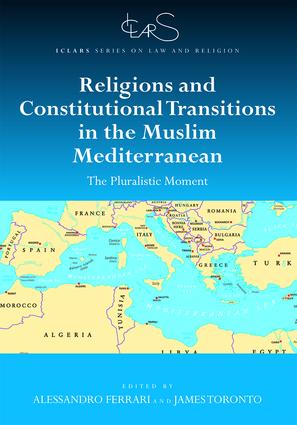
Religions and Constitutional Transitions in the Muslim Mediterranean
This book investigates the role of Islam and religious freedom in the constitutional transitions of six North African and Middle Eastern countries, namely Morocco, Algeria, Tunisia, Egypt, Turkey, ...
Resources related to Freedom of Religion
publication
“The Right to Religious Freedom: A ‘Special’ Right?”, Revue du droit des religions No. 22
- Alessandro Ferrari
Issue 22 of the Revue du droit des religions, published by Presses universitaires de Strasbourg, comes out on 19 November 2026. Its thematic section, “Le droit à la liberté religieuse : un dr...
publication
Religious Freedom in Italy. An Unfinished Path (1848-2024)
- Alessandro Ferrari
Published under the original title La libertà religiosa in Italia. Un percorso incompiuto (1848-2024), this synthesis by Alessandro Ferrari, professor of ecclesiastical law and comparative religiou...
article
Dialogue as Mission: Paths and Horizons of Muslim-Christian Dialogue in the Time of Pope Francis
- Claudio Monge
Abstract Published in Italian under the title Il dialogo come missione: percorsi e orizzonti del dialogo islamo-cristiano al tempo di Papa Francesco in issue 114 (January-April 2026) of the jour...
article
A Nail in the Coffin of the Representation Monopoly of a Single Community: The Quest for Recognition of Intra-religious Pluralism
- Kerstin Wonisch
Abstract Published in the CUREDI database (Cultural and Religious Diversity under State Law across the World), run by the Department of Law and Anthropology of the Max Planck Institute for Socia...

videos
From regulating religious sound to transforming it into light: public, legal and architectural debates on the adhān
Paper presented at the fifth international congress of the University Platform for Research on Islam (Pluriel), held in Cordoba from 10 to 14 February 2026 on the theme "Ethics and Aesthetics in Is...
article
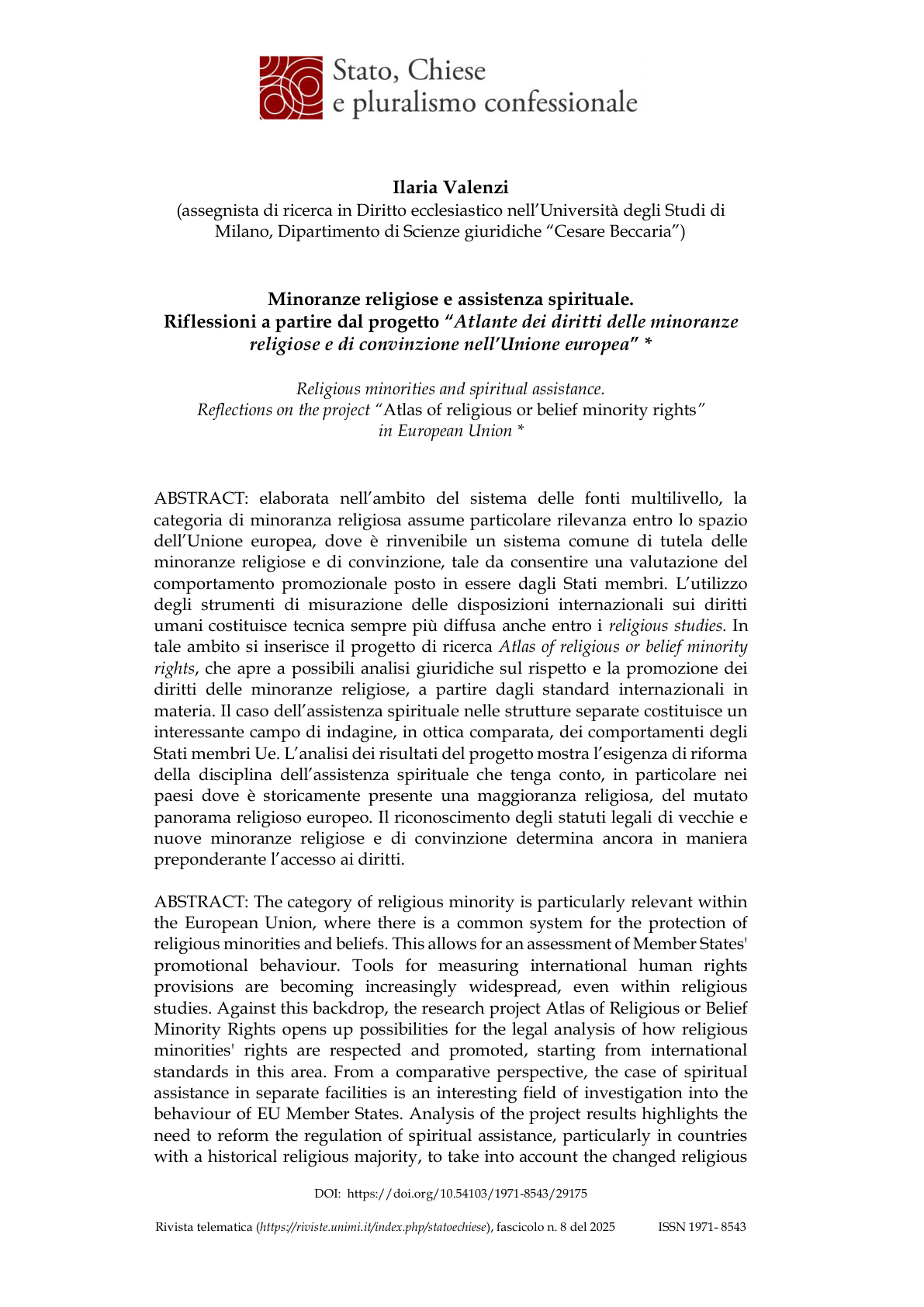
Religious minorities and spiritual assistance. Reflections on the project “Atlas of religious or belief minority rights” in the European Union
- Ilaria Valenzi
Abstract Developed within the multilevel system of legal sources, the category of "religious minority" takes on particular significance within the European Union, where a shared system of protectio...
article
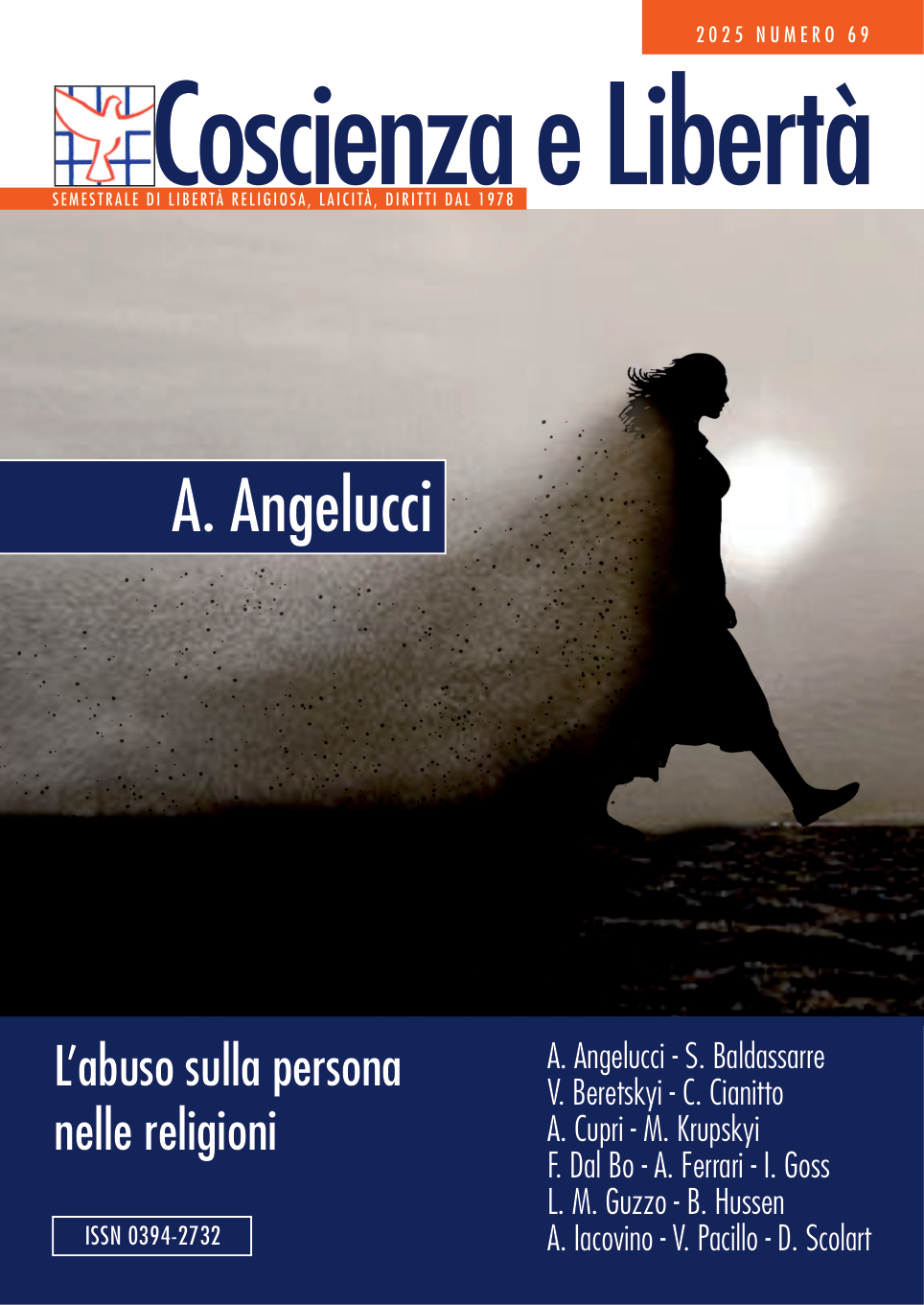
“Inclusive Citizenship, the Right to a Place of Worship and Everyday Peace”, by Antonio Angelucci
- Antonio Angelucci
In an article published in the Italian journal Coscienza e Libertà (no. 69, 2025), Antonio Angelucci, associate professor of law and religion at the University of Insubria, examines the connection ...
article
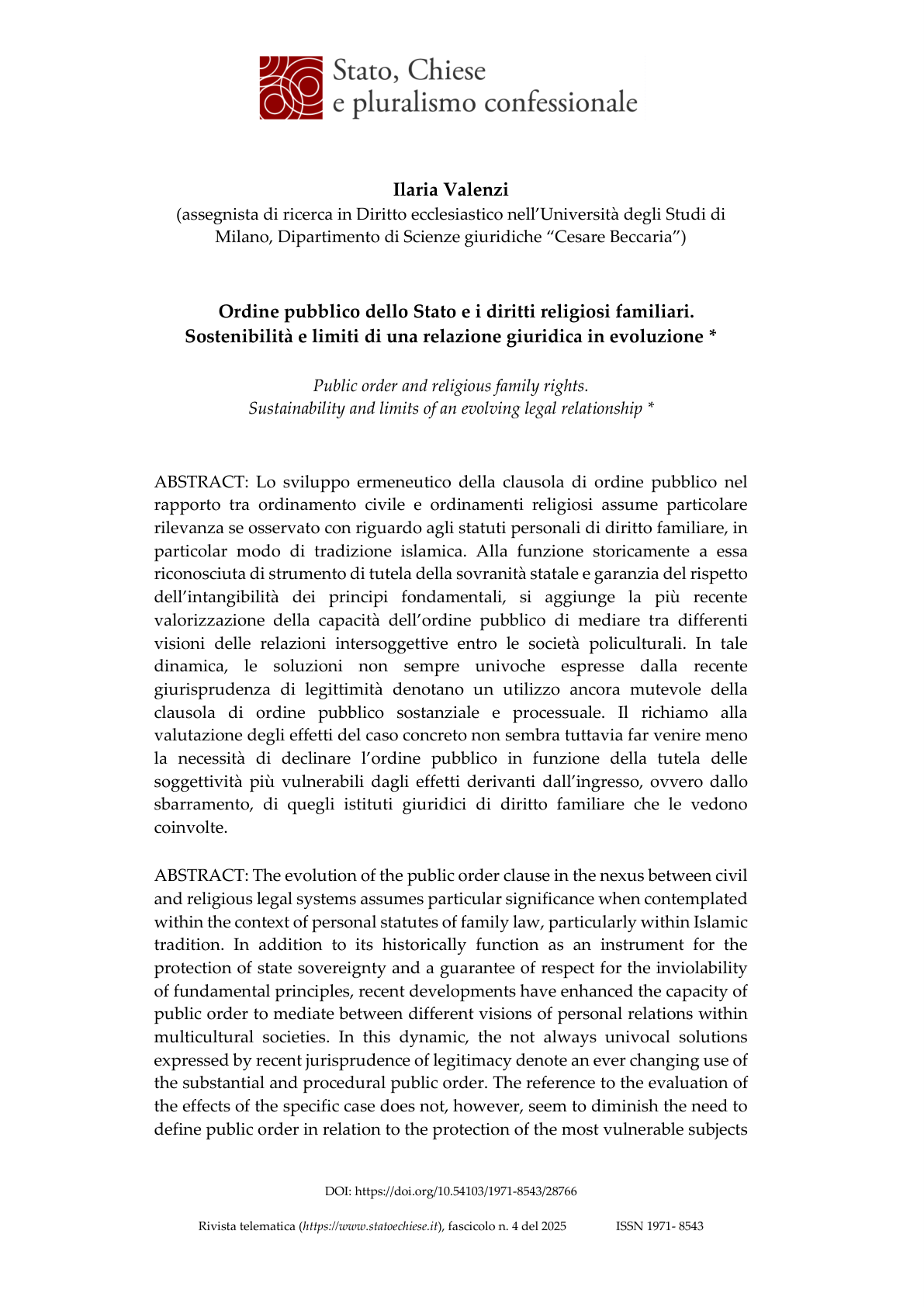
Public order and religious family rights. Sustainability and limits of an evolving legal relationship
- Ilaria Valenzi
Abstract The public-order clause, which safeguards the fundamental principles of the legal order, is today tested by the circulation of family models rooted in religious legal systems. Ilaria Valen...