
الحوار بين الأديان والذكاء الاصطناعي: حصيلة ندوة مونتريال
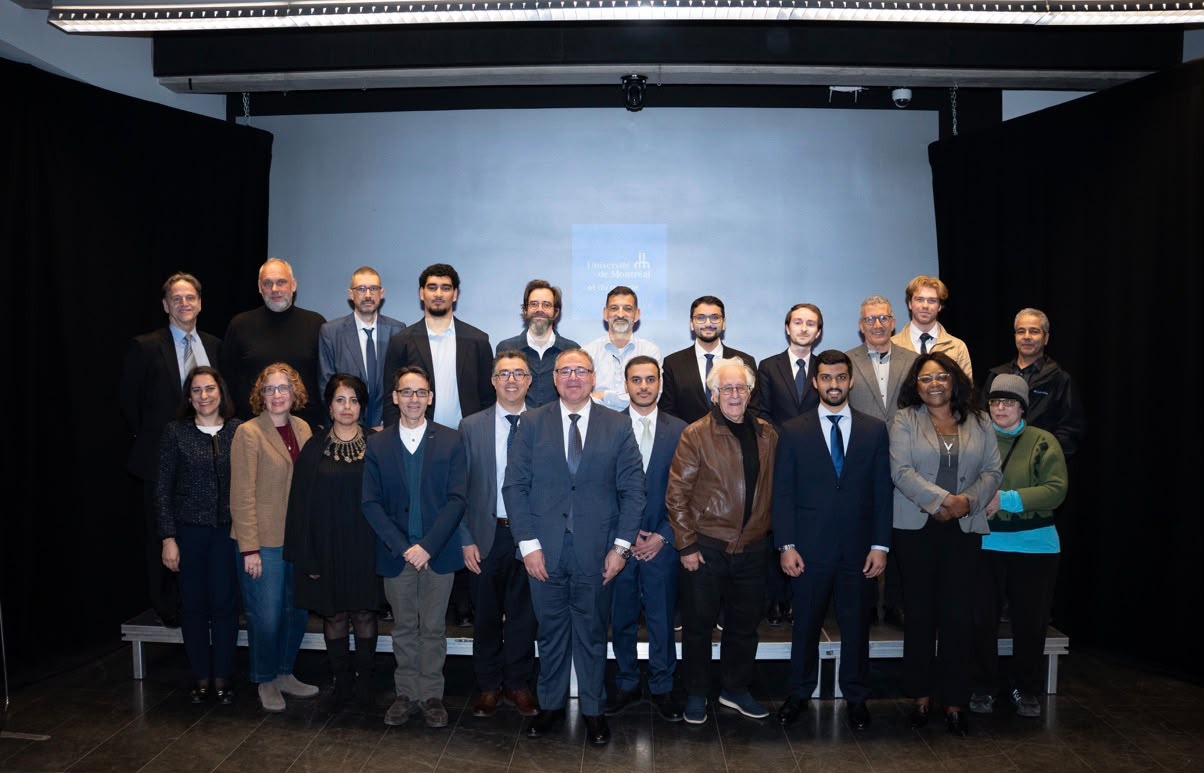
من 19 إلى 21 أكتوبر/تشرين الأول 2026، احتضنت جامعة مونتريال الندوة الدولية «الحوار بين الأديان “بمساعدة” الذكاء الاصطناعي و”في حوار معه”: مفاهيم ومقاربات وتحديات»، التي نظّمتها مجموعة البحث «الحوار بين الأديان بمساعدة الذكاء الاصطناعي» التابعة للمنصة الجامعية للدراسات حول الإسلام (Pluriel) ومؤسسة «تريندز غلوبال»، بالتعاون مع جامعة مونتريال وجامعة كيبيك في مونتريال (UQAM). وقد جمعت الندوة، التي أشرف عليها وائل صالح واستضافها باتريس برودور، نحو ثلاثين من اللاهوتيين والقانونيين والباحثين في العلوم الإنسانية والاجتماعية والمتخصّصين في الذكاء الاصطناعي، وافدين من أوروبا والشرق الأوسط والخليج وأمريكا الشمالية، حضورياً أو عن بُعد، بينهم عدد من باحثي المنصة.
فبعد كلمات الترحيب، ومنها كلمة ميشال يونس باسم المنصة، والمحاضرة الافتتاحية للأنثروبولوجي جيل بيبو، توالت يومَي 19 و20 أكتوبر/تشرين الأول أربع جلسات: إعادة تشكيل المعرفة وتمثّلات الدين بفعل الذكاء الاصطناعي، والمفاهيم والفاعلية وحدود الوساطة الآلية، وتحليل الاستقطاب والخلاف في الفضاء الرقمي، وأخيراً أخلاقيات الذكاء الاصطناعي وحوكمته في السياقات الدينية. وقد سرى في النقاشات كلّها سؤال واحد: إلى أيّ حدّ يستطيع الذكاء الاصطناعي أن ينتقل من المساعدة إلى الوساطة من غير أن يختزل التعدّدية الدينية أو يحلّ محلّ الحكم البشري؟
ثم وضعت ورش العمل، يومَي 20 و21 أكتوبر/تشرين الأول، هذا السؤال على محكّ التجربة مع «ديالوجيا»، المنصّة البحثية التي قدّمها زياد صالح (جامعة مونتريال): مقابلةٌ بين التقييمات البشرية وتحليلات المنصّة لمجموعة من النصوص ومقاطع الفيديو، ثم عملٌ على المصادر والتحقّق والإشراف البشري والمبادئ الأخلاقية، قبل جلسة ختامية عُرضت فيها الحصيلة.
وستُنشر أعمال الندوة في كتاب جماعي يشرف عليه وائل صالح وإيمانويل بيساني بالتعاون مع اللجنة العلمية لمجموعة البحث، التي يتواصل في إطارها تطوير «ديالوجيا».
ويمكن الاطّلاع على البرنامج الكامل للندوة في الإعلان المنشور على موقع المنصة.
Du 19 au 21 octobre 2026, l’Université de Montréal a accueilli le colloque international « Dialogue interreligieux “assisté par” et “en dialogue avec” l’intelligence artificielle : concepts, approches et défis », organisé par le groupe de recherche « Dialogue interreligieux assisté par l’intelligence artificielle » de Pluriel et TRENDS Global, avec l’Université de Montréal et l’Université du Québec à Montréal (UQAM). Porté par Wael Saleh et accueilli par Patrice Brodeur, il a réuni une trentaine de théologiens, juristes, chercheurs en sciences humaines et sociales et spécialistes de l’IA venus d’Europe, du Proche-Orient, du Golfe et d’Amérique du Nord, sur place ou à distance, dont plusieurs chercheurs du réseau.
Après les mots d’accueil, dont celui de Michel Younès au nom de Pluriel, et la conférence d’ouverture de l’anthropologue Gilles Bibeau, quatre séances se sont succédé les 19 et 20 octobre : la reconfiguration du savoir et des représentations du religieux par l’IA ; les concepts, l’agentivité et les limites d’une médiation par la machine ; l’analyse de la polarisation et du désaccord dans l’espace numérique ; enfin l’éthique et la gouvernance de l’IA dans les contextes religieux. Une même question a traversé les échanges : jusqu’où une IA peut-elle passer de l’assistance à la médiation sans réduire la pluralité religieuse ni se substituer au jugement humain ?
Les ateliers des 20 et 21 octobre ont mis cette question à l’épreuve avec Dialogia, la plateforme de recherche présentée par Zeyyad Saleh (Université de Montréal) : confrontation des évaluations humaines et des analyses de la plateforme sur un corpus de textes et de vidéos, puis travail sur les sources, la vérification, la supervision humaine et les principes éthiques, avant une restitution générale.
Les travaux du colloque feront l’objet d’un ouvrage collectif, coordonné par Wael Saleh et Emmanuel Pisani avec le comité scientifique du groupe de recherche, au sein duquel se poursuit le développement de Dialogia.
Le programme complet du colloque est disponible dans l’annonce publiée sur Pluriel.
From 19 to 21 October 2026, the Université de Montréal hosted the international conference “Interreligious Dialogue ‘Assisted by’ and ‘in Dialogue with’ Artificial Intelligence: Concepts, Approaches and Challenges”, organized by the Pluriel research group “Interreligious Dialogue Assisted by Artificial Intelligence” and TRENDS Global, together with the Université de Montréal and the Université du Québec à Montréal (UQAM). Led by Wael Saleh and hosted by Patrice Brodeur, it brought together some thirty theologians, legal scholars, humanities and social science researchers and AI specialists from Europe, the Middle East, the Gulf and North America, in person or online, including several members of the network.
After the welcome addresses, including one by Michel Younès on behalf of Pluriel, and the opening lecture by the anthropologist Gilles Bibeau, four sessions followed on 19 and 20 October: how AI is reshaping knowledge and representations of religion; the concepts, agency and limits of mediation by machines; the analysis of polarization and disagreement in digital space; and, finally, the ethics and governance of AI in religious contexts. One question ran through the discussions: how far can AI move from assistance to mediation without reducing religious plurality or taking the place of human judgment?
The workshops on 20 and 21 October put this question to the test with Dialogia, the research platform presented by Zeyyad Saleh (Université de Montréal): human assessments were compared with the platform’s analyses of a corpus of texts and videos, followed by work on sources, verification, human oversight and ethical principles, before a closing session that brought the results together.
The proceedings of the conference will be published as a collective volume, edited by Wael Saleh and Emmanuel Pisani together with the research group’s scientific committee, within which the development of Dialogia continues.
The full conference programme is available in the announcement published on Pluriel.


المصادر المرتبطة بـ  لاهوت الأديان

article
رؤى إسلامية ليسوع: الوحي والنبوّة والآخريات
- أنطونيو كوتشينييلو
ملخّص يظهر هذا الفصل في المؤَلَّف الجماعيّ Jerusalem in Memory and Eschatology: Jewish, Christian, and Muslim Visions of the Past and Future of Jerusalem، بإشراف إيما أودونيل بولياكوف (Bloomsbur...

article
أسئلة في السوتيريولوجيا الإسلامية في الإسلام المبكّر
ملخّص يظهر هذا الفصل في المؤَلَّف الجماعيّ Riesgos y fidelidades. Miradas teológicas para un mundo plural، بإشراف إيانيري أنغولو أوردوريكا وسوسانا فيلاس بواس (منشورات هيردر، برشلونة، 2025، 424 ص...

article
القرآن المسلم غير المخلوق واللوغوس المسيحي المولود منذ الأزل
- خايمي فلاكير غارسيا
ملخّص يظهر هذا المقال في القسم الموضوعي «Logos, Agape, Sarx. Una dialógica cristiana» من العدد 79 (2025) لمجلّة Carthaginensia، تحت عنوانه الأصلي: El Corán musulmán increado y el Logos cristi...

article
المجمع النيقاويّ الأوّل (325) والحوارُ الإسلاميّ المسيحيّ حول وحدانية الله والتثليث
ملخّص يظهر هذا المقال في العدد 2/2025 من مجلّة CIBEDO-Beiträge، المجلّة المرجعية للحوار الإسلاميّ المسيحيّ باللغة الألمانية، تحت عنوانه الأصليّ: Das erste Konzil von Nizäa (325) und der chris...
article
العلاقات الإسلامية المسيحية اليوم: تأمّلات
ملخّص ضمن عدد خاصّ من مجلّة The Muslim World بمناسبة مرور خمسين عامًا على تأسيس مركز دنكن بلاك ماكدونالد (هارتفورد)، تُقدّم هذه المساهمة لـديفيد مارشال، المنشورة في الأصل تحت عنوان: Christian...
publication
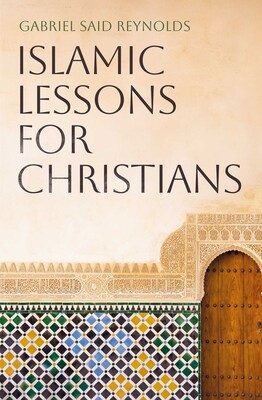
دروس إسلامية للمسيحيين
- غابريل سعيد رينولدز
يقترح كتاب «دروس إسلامية للمسيحيين» للباحث غابرييل سعيد رينولدز، أستاذ الدراسات الإسلامية واللاهوت في جامعة نوتردام، سبيلاً جديداً للحوار الإسلامي-المسيحي. ماذا يمكن أن يتعلّم المسيحيون من الإسلام؟...

article
الرسالة العامة «الإنسانية الرائعة» للبابا ليون الرابع عشر ومجموعة عمل Pluriel حول الحوار بين الأديان بمساعدة الذكاء الاصطناعي
نص بقلم وائل صالح، باحث في جامعة كيبيك في مونتريال (UQAM) وعضو في لجنة تنسيق المنصة الجامعية للدراسات حول الإسلام (Pluriel). إن تزامن صدور الرسالة العامة الإنسانية الرائعة (Magnifica humanitas) ...
publication
اعترافُ طائرٍ طنّان: مقالاتٌ في الحوار بين الأديان والعمل الإرسالي (2007-2025)
- ريمي كوكاناس
صدر هذا الكتاب في أيار/مايو 2026 عن المعهد الحبري للدراسات العربية والإسلامية (PISAI) في روما، ويضمّ مقالات الباحث ريمي كوكاناس حول الحوار بين الأديان والعمل الإرسالي، المكتوبة بين عامَي 2007 و2025...