
Interreligious Dialogue and Artificial Intelligence: Looking Back on the Montreal Conference
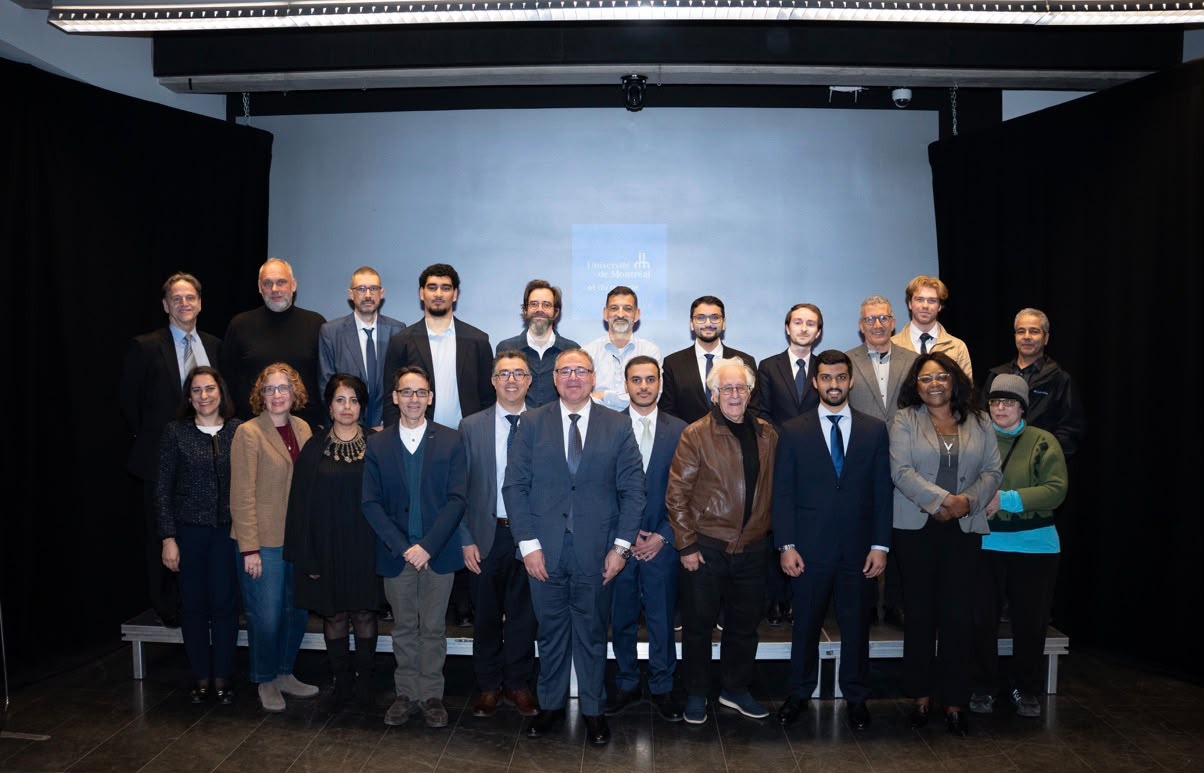
From 19 to 21 October 2026, the Université de Montréal hosted the international conference “Interreligious Dialogue ‘Assisted by’ and ‘in Dialogue with’ Artificial Intelligence: Concepts, Approaches and Challenges”, organized by the Pluriel research group “Interreligious Dialogue Assisted by Artificial Intelligence” and TRENDS Global, together with the Université de Montréal and the Université du Québec à Montréal (UQAM). Led by Wael Saleh and hosted by Patrice Brodeur, it brought together some thirty theologians, legal scholars, humanities and social science researchers and AI specialists from Europe, the Middle East, the Gulf and North America, in person or online, including several members of the network.
After the welcome addresses, including one by Michel Younès on behalf of Pluriel, and the opening lecture by the anthropologist Gilles Bibeau, four sessions followed on 19 and 20 October: how AI is reshaping knowledge and representations of religion; the concepts, agency and limits of mediation by machines; the analysis of polarization and disagreement in digital space; and, finally, the ethics and governance of AI in religious contexts. One question ran through the discussions: how far can AI move from assistance to mediation without reducing religious plurality or taking the place of human judgment?
The workshops on 20 and 21 October put this question to the test with Dialogia, the research platform presented by Zeyyad Saleh (Université de Montréal): human assessments were compared with the platform’s analyses of a corpus of texts and videos, followed by work on sources, verification, human oversight and ethical principles, before a closing session that brought the results together.
The proceedings of the conference will be published as a collective volume, edited by Wael Saleh and Emmanuel Pisani together with the research group’s scientific committee, within which the development of Dialogia continues.
The full conference programme is available in the announcement published on Pluriel.
Du 19 au 21 octobre 2026, l’Université de Montréal a accueilli le colloque international « Dialogue interreligieux “assisté par” et “en dialogue avec” l’intelligence artificielle : concepts, approches et défis », organisé par le groupe de recherche « Dialogue interreligieux assisté par l’intelligence artificielle » de Pluriel et TRENDS Global, avec l’Université de Montréal et l’Université du Québec à Montréal (UQAM). Porté par Wael Saleh et accueilli par Patrice Brodeur, il a réuni une trentaine de théologiens, juristes, chercheurs en sciences humaines et sociales et spécialistes de l’IA venus d’Europe, du Proche-Orient, du Golfe et d’Amérique du Nord, sur place ou à distance, dont plusieurs chercheurs du réseau.
Après les mots d’accueil, dont celui de Michel Younès au nom de Pluriel, et la conférence d’ouverture de l’anthropologue Gilles Bibeau, quatre séances se sont succédé les 19 et 20 octobre : la reconfiguration du savoir et des représentations du religieux par l’IA ; les concepts, l’agentivité et les limites d’une médiation par la machine ; l’analyse de la polarisation et du désaccord dans l’espace numérique ; enfin l’éthique et la gouvernance de l’IA dans les contextes religieux. Une même question a traversé les échanges : jusqu’où une IA peut-elle passer de l’assistance à la médiation sans réduire la pluralité religieuse ni se substituer au jugement humain ?
Les ateliers des 20 et 21 octobre ont mis cette question à l’épreuve avec Dialogia, la plateforme de recherche présentée par Zeyyad Saleh (Université de Montréal) : confrontation des évaluations humaines et des analyses de la plateforme sur un corpus de textes et de vidéos, puis travail sur les sources, la vérification, la supervision humaine et les principes éthiques, avant une restitution générale.
Les travaux du colloque feront l’objet d’un ouvrage collectif, coordonné par Wael Saleh et Emmanuel Pisani avec le comité scientifique du groupe de recherche, au sein duquel se poursuit le développement de Dialogia.
Le programme complet du colloque est disponible dans l’annonce publiée sur Pluriel.
من 19 إلى 21 أكتوبر/تشرين الأول 2026، احتضنت جامعة مونتريال الندوة الدولية «الحوار بين الأديان “بمساعدة” الذكاء الاصطناعي و”في حوار معه”: مفاهيم ومقاربات وتحديات»، التي نظّمتها مجموعة البحث «الحوار بين الأديان بمساعدة الذكاء الاصطناعي» التابعة للمنصة الجامعية للدراسات حول الإسلام (Pluriel) ومؤسسة «تريندز غلوبال»، بالتعاون مع جامعة مونتريال وجامعة كيبيك في مونتريال (UQAM). وقد جمعت الندوة، التي أشرف عليها وائل صالح واستضافها باتريس برودور، نحو ثلاثين من اللاهوتيين والقانونيين والباحثين في العلوم الإنسانية والاجتماعية والمتخصّصين في الذكاء الاصطناعي، وافدين من أوروبا والشرق الأوسط والخليج وأمريكا الشمالية، حضورياً أو عن بُعد، بينهم عدد من باحثي المنصة.
فبعد كلمات الترحيب، ومنها كلمة ميشال يونس باسم المنصة، والمحاضرة الافتتاحية للأنثروبولوجي جيل بيبو، توالت يومَي 19 و20 أكتوبر/تشرين الأول أربع جلسات: إعادة تشكيل المعرفة وتمثّلات الدين بفعل الذكاء الاصطناعي، والمفاهيم والفاعلية وحدود الوساطة الآلية، وتحليل الاستقطاب والخلاف في الفضاء الرقمي، وأخيراً أخلاقيات الذكاء الاصطناعي وحوكمته في السياقات الدينية. وقد سرى في النقاشات كلّها سؤال واحد: إلى أيّ حدّ يستطيع الذكاء الاصطناعي أن ينتقل من المساعدة إلى الوساطة من غير أن يختزل التعدّدية الدينية أو يحلّ محلّ الحكم البشري؟
ثم وضعت ورش العمل، يومَي 20 و21 أكتوبر/تشرين الأول، هذا السؤال على محكّ التجربة مع «ديالوجيا»، المنصّة البحثية التي قدّمها زياد صالح (جامعة مونتريال): مقابلةٌ بين التقييمات البشرية وتحليلات المنصّة لمجموعة من النصوص ومقاطع الفيديو، ثم عملٌ على المصادر والتحقّق والإشراف البشري والمبادئ الأخلاقية، قبل جلسة ختامية عُرضت فيها الحصيلة.
وستُنشر أعمال الندوة في كتاب جماعي يشرف عليه وائل صالح وإيمانويل بيساني بالتعاون مع اللجنة العلمية لمجموعة البحث، التي يتواصل في إطارها تطوير «ديالوجيا».
ويمكن الاطّلاع على البرنامج الكامل للندوة في الإعلان المنشور على موقع المنصة.


Resources related to Theology of Religions

article
Islamic Visions of Jesus: Revelation, Prophecy, and Eschatology
- Antonio Cuciniello
Abstract Published in the collective volume Jerusalem in Memory and Eschatology: Jewish, Christian, and Muslim Visions of the Past and Future of Jerusalem, edited by Emma O'Donnell Polyakov (Blo...

article
Questions on Islamic Soteriology in Early Islam
- Jaume Flaquer Garcia
Abstract Published under the original title "Cuestiones sobre la soteriología islámica en el islam primitivo" in the collective volume Riesgos y fidelidades. Miradas teológicas para un mundo plu...

article
The Uncreated Muslim Qur’an and the Eternally Begotten Christian Logos
- Jaume Flaquer Garcia
Abstract Published under the original title "El Corán musulmán increado y el Logos cristiano eternamente engendrado" in the monographic section Logos, Agape, Sarx. Una dialógica cristiana of iss...

article
The First Council of Nicaea (325) and the Christian-Muslim Dialogue on God’s Unity and Trinity
- Dirk Ansorge
Abstract Published under the original title "Das erste Konzil von Nizäa (325) und der christlich-muslimische Dialog über Gottes Einheit und Dreifaltigkeit" in issue 2/2025 of CIBEDO-Beiträge, th...
article
Christian-Muslim Relations Today: Some Reflections
- David Marshall
Abstract Published as "Christian-Muslim Relations Today: Some Reflections" in a special issue of The Muslim World marking the 50th anniversary of the Duncan Black Macdonald Center (Hartford), th...
publication
Islamic Lessons for Christians
- Gabriel Said Reynolds
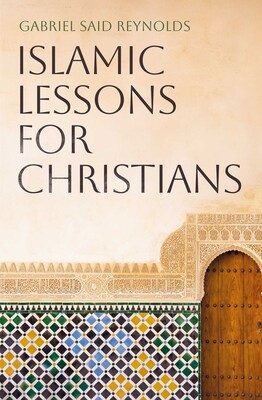
Islamic Lessons for Christians (Oneworld Publications, 2026) is the latest book by Gabriel Said Reynolds, Crowley Professor of Islamic Studies and Theology at the University of Notre Dame. What, if...

article
Leo XIV’s encyclical Magnifica Humanitas and the Pluriel working group on AI-assisted interreligious dialogue
- Wael Saleh
Text by Wael Saleh, researcher at the Université du Québec à Montréal (UQAM) and member of the Pluriel coordination committee. The simultaneous appearance of Leo XIV's encyclical Magnifica Human...
publication
The Recognition of a Hummingbird. Essays on Interreligious Dialogue and Missionary Work (2007-2025)
- Rémi Caucanas
Published in May 2026 by PISAI (Pontifical Institute for Arabic and Islamic Studies, Rome), this collection brings together the essays of Rémi Caucanas on interreligious dialogue and missionary wor...