
25 March 2019 to 26 March 2019
Islamism and Violence: Debates and Issues
Colloque international interdisciplinaire à l’Université de Montréal, parrainé par :
- Groupe de recherche sur les enjeux épistémologiques et méthodologiques des études sur la violence au nom de l’islam (PLURIEL)
- Institut d’études post-printemps arabe (IEPPA).
- En collaboration avec le Centre d`études et de recherches internationales de l’Université de Montréal (CÉRIUM).
Organisateurs :
- Patrice Brodeur, PhD. (Sciences des religions), Professeur agrégé, Université de Montréal
- Wael Saleh, PhD. (Sciences humaines appliquées) Chercheur postdoctoral, CÉRIUM, Université de Montréal
- Amany Fouad Salib, PhD. (Linguistiques), Doctorante (Sciences des religions), Université du Québec à Montréal (UQAM).
Argument :
Since the end of the 1970s and the Islamic revolution in Iran, academic studies related to violence in the name of Islam and its connections to Islamism have increased substantially (Silke, 2004; Ranstorp, 2006; Jackson, 2009; Schmid, 2011; Bibeau 2015, Dakhli, 2016). From a critical interdisciplinary perspective, the symposium aims to explore textually and contextually, the following question: does a direct link exist between the founding texts of Islamism (from al-Afghani, through the writings of Hassan al -Banna, and up to Al-Qaradawi, etc.) and the justification of the violence committed in the name of Islam? A variety of questions occur in this respect: what are the textual underpinnings at stake? Who are the producers/supporters of such Islamist discourses? What are the subsequent intellectual and organizational links of affiliation with these texts that have arisen more recently? Finally, over the last several decades, what contexts witnessed this discourse of violence becoming so deep-rooted as to be put in action?
On an epistemological level, the symposium also aims to analyze the theoretical literature that has developed to explain these Islamist ideologies, for half a century, in both Muslim and non-Muslim environments. In this academic literature, two main approaches have emerged. Structuralist approaches identify the structural roots of the violence committed in the name of Islam (Campana & Lapointe, 2012). These approaches focus on the questions of “why” and the “roots-reasons” for such violence, often to the detriment of a circumstantial micro-sociological comprehension that is more focused on individuals and their processes of engagement that highlight the “how” (Sedgwick, 2010 ; Sommier, 2012). To overcome such structuralist approaches (Crenshaw, 1998; Lake, 2002; Kydd & Walter, 2006; Abrahams, 2008), the processual approaches see engagement with violence as a result of a gradual process of socialization, which is multidimensional, non-teleological (Silke, 2003; Horgan, 2005; Pisoiu, 2011).
Colloque international interdisciplinaire à l’Université de Montréal, parrainé par :
- Groupe de recherche sur les enjeux épistémologiques et méthodologiques des études sur la violence au nom de l’islam (PLURIEL)
- Institut d’études post-printemps arabe (IEPPA).
- En collaboration avec le Centre d`études et de recherches internationales de l’Université de Montréal (CÉRIUM).
Organisateurs :
- Patrice Brodeur, PhD. (Sciences des religions), Professeur agrégé, Université de Montréal
- Wael Saleh, PhD. (Sciences humaines appliquées) Chercheur postdoctoral, CÉRIUM, Université de Montréal
- Amany Fouad Salib, PhD. (Linguistiques), Doctorante (Sciences des religions), Université du Québec à Montréal (UQAM).
Argument :
Depuis la fin des années 1970 avec la révolution islamique en Iran, l’intérêt pour des études sur la violence commise au nom de l’islam et son lien avec la mouvance islamiste s’est beaucoup accru (Silke, 2004; Ranstorp, 2006; Jackson, 2009; Schmid, 2011; Bibeau 2015, Dakhli, 2016). Ce colloque vise à apporter un nouvel éclairage sur le phénomène de l`islamisme et de la justification de la violence au nom de l’islam et ce, en deux temps :
Il propose tout d’abord d’explorer de façon critique, à la fois textuelle, contextuelle et interdisciplinaire, la question suivante : existe-t-il un lien direct entre les textes fondateurs de l`islamisme (de Al-Afghani en passant par Hasan Al-Banna et Al-Qaradawi jusqu`à Isam Al-Aryan) et une justification de la violence faite au nom de l`islam ? Cette dernière question se décline en un ensemble de sous-questions : Quels en seraient les éléments textuels ? Qui en sont les producteurs idéiques (i.e. les « intellectuels ») ? Et quels sont les liens de filiation intellectuelle et organisationnelle qui en ont découlé jusqu’à présent ? Enfin, dans quels contextes précis se sont enracinés de tels discours, justifiant depuis des décennies des comportements violents ? Le but est de remonter la chaîne de transmission qui lierait (ou pas) des producteurs idéiques à des personnes dites ‘radicalisées’.
Sur le plan épistémologique, le colloque analysera aussi différentes approches théoriques qui se sont développées depuis un demi-siècle, en milieu tant musulman que non-musulman, pour tenter d’expliquer ou de comprendre ce phénomène de l’islamisme et de ses rapports à différentes formes et degrés de violence, à la fois au sein de la diversité islamique et musulmane, et au sein de sociétés majoritairement non-musulmanes. Deux approches se dégagent dans cette littérature académique : d`une part, on retrouve des approches structuralistes qui identifient les racines structurelles de la violence au nom de l’islam (Campana & Lapointe, 2012) et valorisent une recherche qui se concentre sur les questions du « pourquoi » etdes « causes racines ». D’autre part, il existe des approches processuelles qui recherchent une compréhension plus micro-sociologique, plus circonstanciée et plus axée sur l’individu et les processus d’engagement centrés sur le « comment » (Sedgwick, 2010; Sommier, 2012). Pour dépasser les perspectives structuralistes (Crenshaw, 1998; Lake, 2002; Kydd & Walter, 2006; Abrahams, 2008), les approches processuelles envisagent l’engagement dans une violence comme le résultat d’un processus de socialisation graduel, multidimensionnel et non téléologique (Silke, 2003; Horgan, 2005; Pisoiu, 2011).
ندوة دولية متعدّدة التخصّصات في جامعة مونتريال، برعاية:
- مجموعة البحث حول الرهانات الإبستمولوجية والمنهجية لدراسات العنف باسم الإسلام (المنصة)
- معهد دراسات ما بعد الربيع العربي (IEPPA).
- بالتعاون مع مركز الدراسات والأبحاث الدولية في جامعة مونتريال (CÉRIUM).
المنظّمون:
- Patrice Brodeur، دكتوراه (علوم الأديان)، أستاذ مبرَّز، جامعة مونتريال
- وائل صالح، دكتوراه (العلوم الإنسانية التطبيقية)، باحث ما بعد الدكتوراه، CÉRIUM، جامعة مونتريال
- Amany Fouad Salib، دكتوراه (اللسانيات)، طالبة دكتوراه (علوم الأديان)، جامعة كيبيك في مونتريال (UQAM).
الطرح:
منذ أواخر السبعينيات مع الثورة الإسلامية في إيران، تنامى الاهتمام بدراسات العنف المرتكَب باسم الإسلام وصلته بالتيار الإسلاموي تنامياً كبيراً (Silke, 2004؛ Ranstorp, 2006؛ Jackson, 2009؛ Schmid, 2011؛ Bibeau, 2015؛ Dakhli, 2016). تهدف هذه الندوة إلى إلقاء ضوء جديد على ظاهرة الإسلاموية وتبرير العنف باسم الإسلام، على مرحلتَين:
تقترح أوّلاً استكشافاً نقدياً — نصياً وسياقياً ومتعدّد التخصّصات — للسؤال التالي: هل توجد صلة مباشرة بين النصوص المؤسِّسة للإسلاموية (من الأفغاني، مروراً بحسن البنّا والقرضاوي، وصولاً إلى عصام العريان) وتبرير العنف باسم الإسلام؟ يتفرّع هذا السؤال إلى مجموعة أسئلة فرعية: ما هي عناصره النصية؟ من هم منتجو الأفكار (أي «المفكّرون»)؟ وما روابط النسب الفكري والتنظيمي التي تولّدت عنها حتى اليوم؟ وأخيراً، في أيّ سياقات محدّدة تجذّرت هذه الخطابات المُبرِّرة منذ عقود لسلوكيات عنيفة؟ الهدف تتبّع سلسلة النقل التي تربط (أو لا) منتجي الأفكار بأشخاص يُوصَفون بأنّهم «متطرّفون».
على الصعيد الإبستمولوجي، ستُحلّل الندوة كذلك مقاربات نظرية مختلفة تطوّرت منذ نصف قرن، في الأوساط المسلمة وغير المسلمة، لمحاولة تفسير أو فهم ظاهرة الإسلاموية وعلاقتها بأشكال ودرجات مختلفة من العنف، سواء داخل التنوّع الإسلامي، أم داخل المجتمعات ذات الأغلبية غير المسلمة. تظهر مقاربتان في هذه الأدبيات الأكاديمية: من جهة، المقاربات البنيوية التي تُحدّد الجذور البنيوية للعنف باسم الإسلام (Campana & Lapointe, 2012) والتي تُثمّن بحثاً يُركّز على مسائل «لماذا» و«الأسباب الجذرية». من جهة أخرى، توجد المقاربات المسارية التي تسعى إلى فهم أدقّ، مصغّر السلّم السوسيولوجي، وأكثر تفصيلاً، وأكثر تمحوراً حول الفرد ومسارات الانخراط المتمحورة حول «كيف» (Sedgwick, 2010؛ Sommier, 2012). لتجاوز المنظورات البنيوية (Crenshaw, 1998؛ Lake, 2002؛ Kydd & Walter, 2006؛ Abrahams, 2008)، تنظر المقاربات المسارية إلى الانخراط في العنف بوصفه نتيجة مسار تنشئة تدريجي، متعدّد الأبعاد وغير غائي (Silke, 2003؛ Horgan, 2005؛ Pisoiu, 2011).
Resources related to keywords
article
Wael Saleh: “Recognising Without Confining, to Better ‘De-other’ the Public Debate”
- Wael Saleh
In an op-ed published on 20 July 2026 by Le Devoir, Wael Saleh, a member of the scientific committee of Pluriel, puts forward a new concept for contemporary democratic debate: "de-othering" (in Fre...
videos
“War and peace”, by Adrien Candiard
On Wednesday 20 May 2026, the Dominican Institute for Oriental Studies (IDEO) hosted in Cairo a lecture by Brother Adrien Candiard, Dominican and Islamologist, on the theme "War and peace". Faced w...
article
Kenneth Cragg and the Event of the Qur’an
- Timo Güzelmansur
Article by Timo Güzelmansur published under the title Kenneth Cragg und das Ereignis des Koran on the theological portal feinschwarz.net (12 June 2026, open access). Timo Güzelmansur presents the A...
article
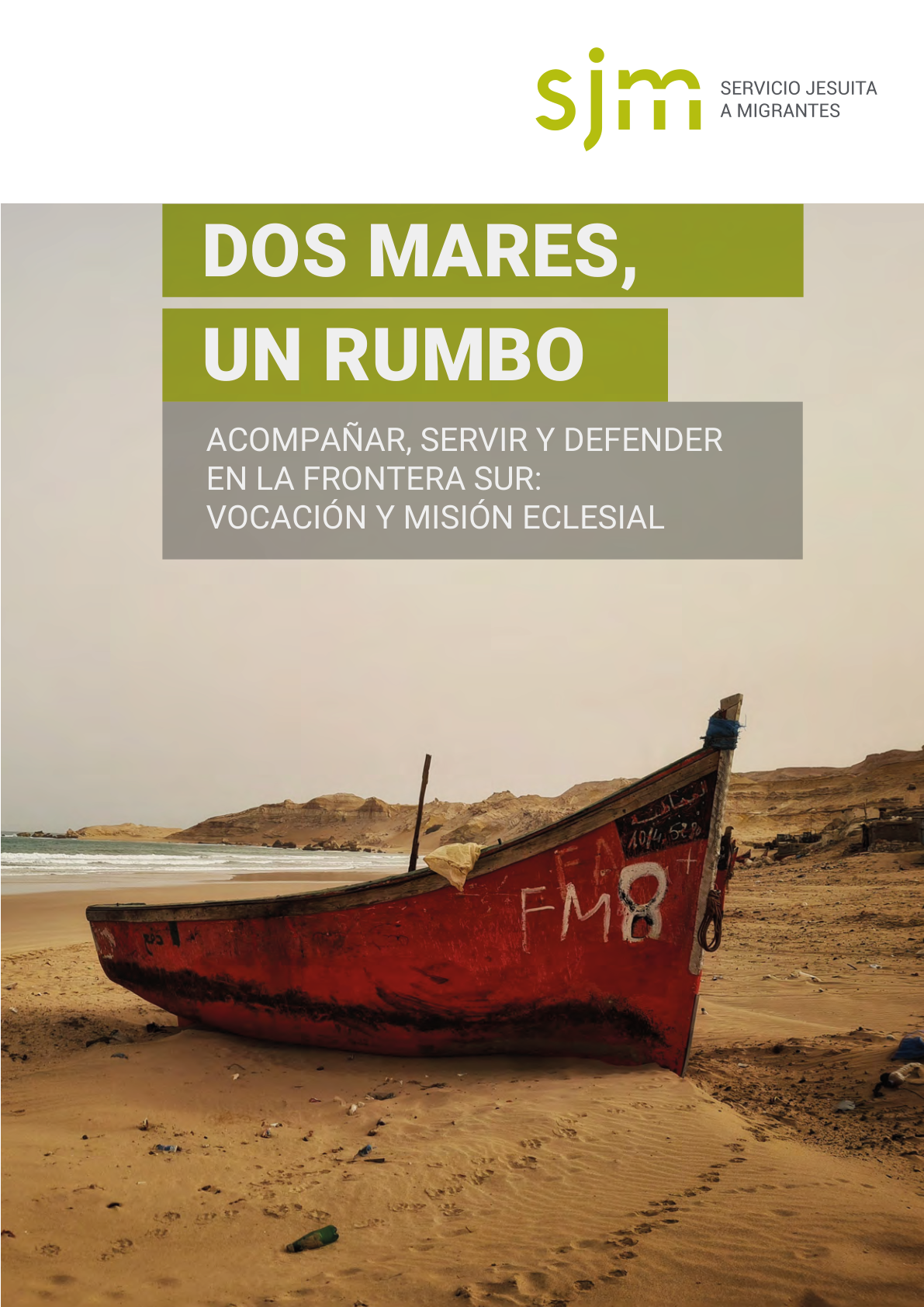
Two Seas, One Course: The 2026 Jesuit Migrant Service Report on Spain’s Southern Border
- Josep Buades
The annual report of the Jesuit Migrant Service (SJM), the social apostolate body of the Society of Jesus in Spain, written by Josep (Pep) Buades Fuster, examines the migratory dynamics of Spain’s ...
publication
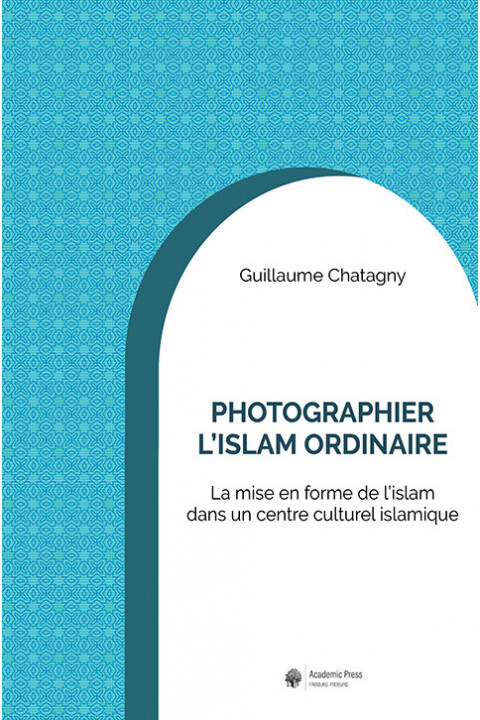
Photographing Ordinary Islam
- Guillaume Chatagny
What does Islam concretely look like within a Muslim association? This is the question addressed by sociologist Guillaume Chatagny in this book, based on fieldwork conducted between 2017 and 2021 w...

article
Leo XIV’s encyclical Magnifica Humanitas and the Pluriel working group on AI-assisted interreligious dialogue
- Wael Saleh
Text by Wael Saleh, researcher at the Université du Québec à Montréal (UQAM) and member of the Pluriel coordination committee. The simultaneous appearance of Leo XIV's encyclical Magnifica Human...
publication
The Recognition of a Hummingbird. Essays on Interreligious Dialogue and Missionary Work (2007-2025)
- Rémi Caucanas
Published in May 2026 by PISAI (Pontifical Institute for Arabic and Islamic Studies, Rome), this collection brings together the essays of Rémi Caucanas on interreligious dialogue and missionary wor...
videos
From Lavigerie to PISAI: The Institutional History of the Missionaries of Africa’s Engagement with Islam
Delivered on 21 May 2026 at the Pontifical Institute for Arabic and Islamic Studies (PISAI) in Rome, this lecture opens the series of conferences marking the institute's centenary (1926-2026). Fr. ...